
P0089 Fuel Pressure Regulator Performance — Causes & Fix
Updated for 2026 diagnostics & repair guidance
P0089 at a Glance
What it means
The ECU has detected that fuel pressure regulation is outside the expected range — pressure is either too high or too low.
Most common cause
Sticking fuel pressure regulator, worn injectors, or high-pressure pump fault.
Severity
Moderate to serious — can cause power loss, stalling, or limp mode.
Can you drive?
Short distances at reduced speed. Avoid heavy loads.
Typical repair cost
£80–£800 depending on the root cause.
What Does P0089 Mean?
P0089 indicates the fuel pressure regulator (also called the metering valve or pressure control valve) is not controlling rail pressure within the expected parameters. The regulator sits on the high-pressure pump and controls how much fuel enters the rail. When it fails, rail pressure can swing erratically — too high causes harsh combustion and injector stress, too low causes misfires and power loss.
Common Causes
Injector-Related Causes
Injector over-return reducing rail pressure
Worn injectors leaking excessive fuel back create a pressure drop the regulator can't compensate for.
Other Possible Causes
Sticking fuel pressure regulator valve
Carbon deposits or internal wear cause the regulator to stick, preventing smooth pressure control. This is the most common cause.
High-pressure pump internal wear
A worn pump combined with a marginal regulator can trigger P0089 as the system can't maintain stable pressure.
Wiring or connector fault to regulator
Damaged wiring or corroded connector to the pressure regulator can cause intermittent control loss.
Contaminated fuel
Water or debris in the fuel can damage the regulator valve seat, preventing proper sealing.
Symptoms Drivers Notice
- Erratic idle — revs hunting up and down
- Hesitation or surging during acceleration
- Engine enters limp mode intermittently
- Stalling when coming to a stop
- Engine management light illuminated
- Increased fuel consumption
- Hard starting, especially when cold
Vehicles Commonly Affected
Can You Still Drive with P0089?
Short-distance driving at reduced speed is generally safe. Avoid heavy loads and motorway speeds. If the engine enters limp mode or stalls repeatedly, do not continue driving — have the vehicle recovered. Running with unstable rail pressure can cause injector damage and DPF overload.
How Mechanics Diagnose P0089
- 1
Monitor rail pressure stability
Use live data to watch actual vs. desired rail pressure. Erratic fluctuations confirm regulator issues.
- 2
Test regulator electrically
Measure resistance and response of the pressure regulator solenoid. Compare to manufacturer spec.
- 3
Perform injector leak-off test
Rule out excessive injector back-leakage as the cause of the pressure instability.
- 4
Inspect for fuel contamination
Check the fuel filter for water and debris. Contaminated fuel damages the regulator valve seat.
- 5
Replace regulator and retest
If electrical and fuel checks pass but pressure remains unstable, replace the regulator and retest.
Repair Solutions & Costs
Replace fuel pressure regulator
The most direct fix if the regulator is faulty. Usually a straightforward job on the high-pressure pump.
Replace worn injectors
If injector back-leakage is causing the pressure instability, replace the affected injectors.
Replace fuel filter + drain water
If fuel contamination is suspected, replace the filter and drain the water trap.
Replace high-pressure pump
If the pump is worn and the regulator alone can't compensate, the pump assembly needs replacing.
Replacing injectors? Browse our remanufactured diesel injectors, reconditioned injectors or refurbished diesel injectors — all bench-tested with a 12-month warranty.
When Injector Replacement Is Required
Injector replacement is required when the leak-off test shows excessive fuel return and the regulator is confirmed to be functioning correctly. If the regulator is the fault, replace it first and retest before committing to injector replacement.
Compatible Remanufactured Injectors
OEM bench-tested injectors for engines affected by P0089 — verified pricing, 12-month warranty, free UK delivery.
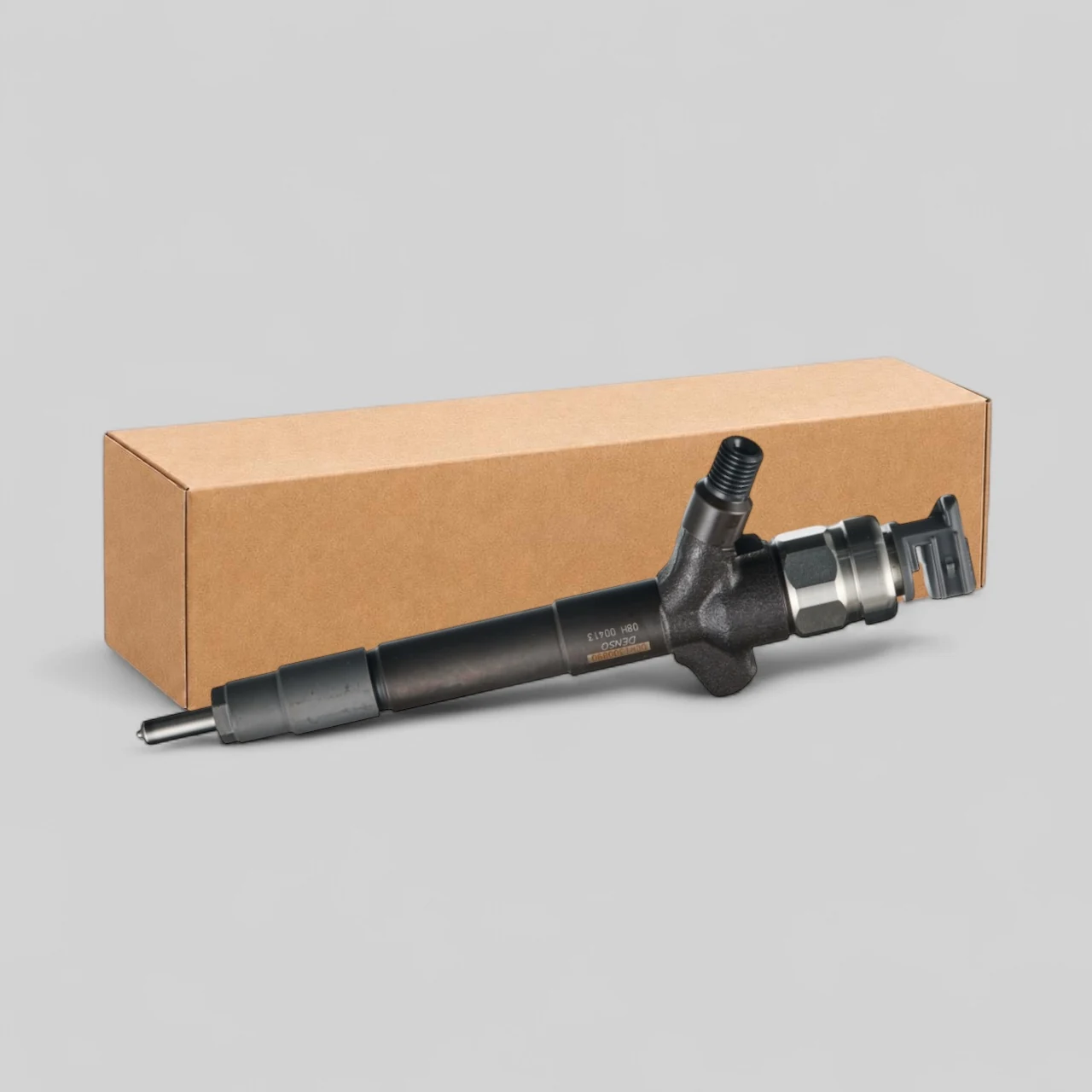
DENSO DCRI300890
DENSO DCRI300890 remanufactured common-rail diesel injector for Mitsubishi 2.5 DI-D 16V (4D56 16V / 4D56-HP) engines — L200/Triton, Pajero Sport / Shogun Sport, Challenger. Professionally tested and calibrated to OEM specification. Includes: OEM Tested, 12 Month Warranty, Free UK Delivery.
Fits: 4D56 16V, 4D56-HP
View injector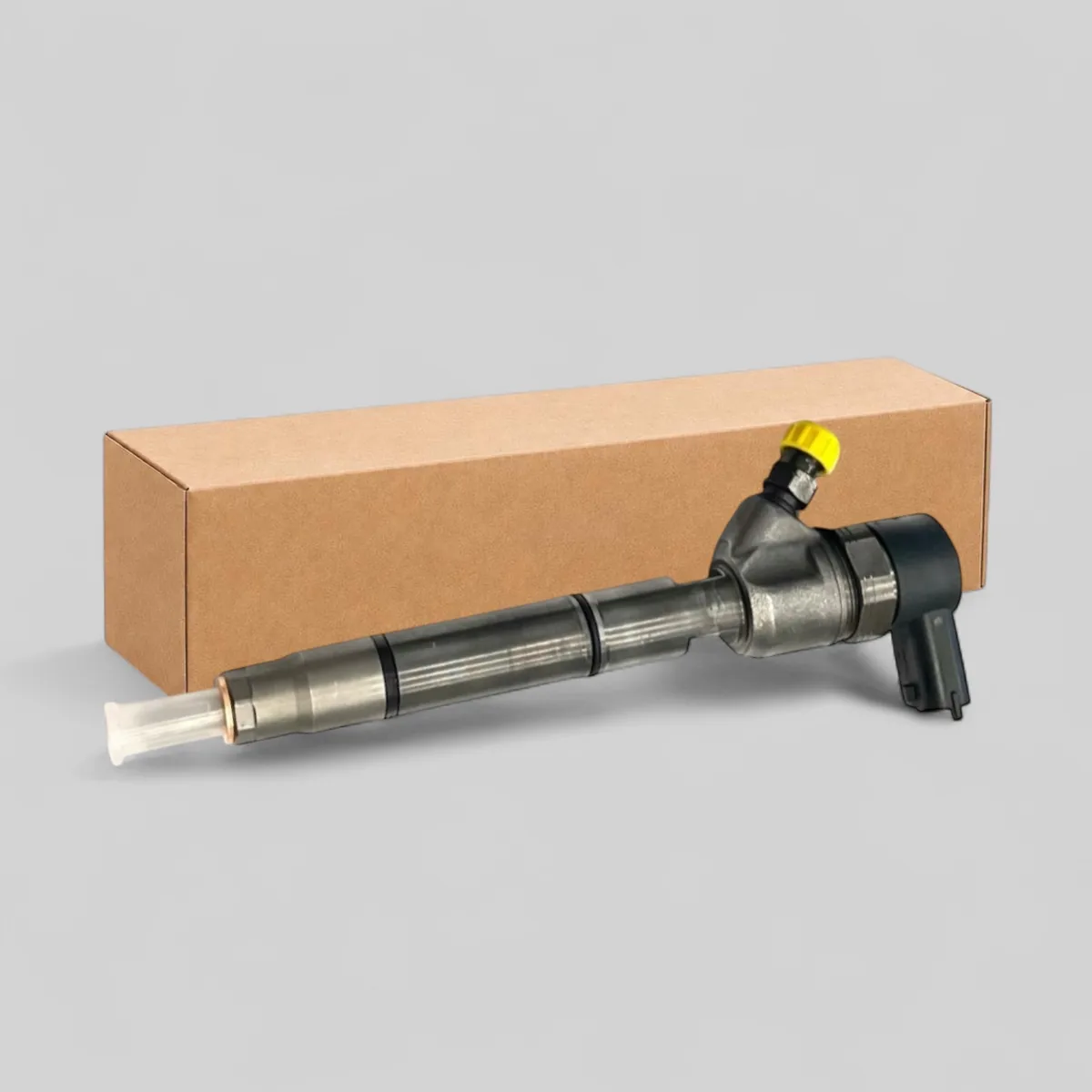
Bosch 0445110411
Hyundai/Kia 1.7 CRDi (D4FD) Bosch CRI2 remanufactured common-rail injector
Fits: D4FD
View injectorCompatible Injector Part Numbers
6 injectors compatible with engines affected by P0089.
Cross Reference Numbers
OEM and alternative part numbers for injectors affected by P0089.
Affected Vehicle & Engine Combinations
Trusted Injector Families for These Engines
Verified remanufactured injector families fitted to engines documented to log P0089.
Need a Replacement Injector?
UK-tested remanufactured injectors with 12-month warranty. Search by engine code or vehicle registration.
Need it fast? Same-day dispatch on in-stock injectors.
Order before 2pm for next working day delivery (UK mainland). Call us on 020 3355 6581.
Engine-Specific Guides
Frequently Asked Questions
Explore Related Content
- Diesel Injector Failure Symptoms: 9 Warning Signs You S...
- Diesel Engine Misfire Causes: Injector Faults & Diagnos...
- White Smoke from Diesel Engine: Causes, Injector Faults...
- Hard Starting Diesel in Cold Weather: Causes, Diagnosis...
- Car Shaking at Idle (Diesel): Injector & Engine Vibrati...
- Diesel Injector Leak-Off Test: Step-by-Step Guide for A...
- Injector Coding After Replacement: Complete Guide by Ve...
- How to Remove and Replace Diesel Injectors: Complete Wo...
Keep Exploring
Fault Codes
Symptoms
Why It Happens
Common-rail injectors live at extreme pressures with clearances measured in microns. Fuel quality, heat cycles and mileage wear the internal control valve and nozzle: back-leak rises, spray patterns deteriorate and delivery drifts from calibration. Most 'engine' complaints on high-mileage diesels trace back to this gradual injector wear.
Professional Diagnosis
Workshops follow a fixed order: scan for codes and freeze-frame data, compare requested vs actual rail pressure on live data, read cylinder balance corrections, then run a comparative leak-off test. That sequence identifies the faulty injector without guesswork — and prevents needlessly replacing pumps, sensors or the wrong injector.
Typical Workshop Findings
The most frequent findings are: one injector returning several times the leak-off volume of its neighbours; carbon build-up from a failed copper washer; corroded injector connectors; and missing injector coding after a previous repair. Genuine high-pressure pump failures are rarer than back-leak faults that mimic them.
When to Replace Injectors
Replace when testing proves internal wear: leak-off clearly above the other injectors, balance corrections at their limits, or a failed bench test. Cleaning and additives cannot restore worn internal clearances. Bench-tested remanufactured injectors restore original calibration at a fraction of the new price — always coded to the ECU where the engine requires it.
Need help finding the right injector?
Search by part number, OE reference or vehicle registration.
Find My Injector →Know your engine code?
Browse tested injectors for your exact engine.
Search by Engine →Need a diagnosis?
Match your symptoms to the likely injector fault.
See Symptoms →Need Help With P0089?
Our diesel specialists can help diagnose the issue and find the right injector.