
Diesel Injector Failure Symptoms: 9 Warning Signs You Shouldn't Ignore
Updated for 2026 diagnostics & repair guidance
Diesel injectors are precision components that atomise fuel at pressures up to 2,000 bar. When they fail, the symptoms can range from subtle changes in engine behaviour to obvious problems like smoke and power loss. This guide covers the most common diesel injector failure symptoms and what to do about them.
Symptoms
Rough idle and engine vibration
CommonA misfiring injector causes uneven cylinder contribution, resulting in noticeable vibration at idle. The engine may feel like it is running on three cylinders. This is often the first sign of injector trouble.
Excessive smoke (white, black, or blue)
CommonWhite smoke on cold start indicates poor fuel atomisation. Black smoke under acceleration suggests over-fuelling. Blue smoke indicates fuel contaminating engine oil. Each type points to a different injector failure mode.
Loss of power and hesitation
ModerateA failing injector reduces fuel delivery to its cylinder, causing power loss that is most noticeable during acceleration. The engine may hesitate or stumble between 1,500-3,000 RPM.
Increased fuel consumption
ModerateLeaking or dribbling injectors waste fuel. If your MPG has dropped by 10-20% without changes to driving habits, injectors are a likely cause.
Diesel knock or ticking noise
CommonWorn injector nozzles change the spray pattern, causing harsher combustion that produces a louder diesel knock. A rhythmic ticking from the injector area is also common.
Engine management light (check engine)
CommonMost modern diesels will log injector-related fault codes and illuminate the engine management light. Common codes include P0201-P0204 (injector circuit faults).
Difficulty starting
ModerateWorn injectors may not deliver enough fuel for cold starting, causing extended cranking times. This is worse in cold weather.
Fuel smell or diesel in engine oil
SeriousA seriously leaking injector allows diesel to pass the piston rings and dilute the engine oil. Check the dipstick — if the oil level is rising and smells of diesel, this is urgent.
Most Likely Causes
Injector-Related Causes
Worn injector nozzles
High-pressure fuel gradually erodes the nozzle tip, altering the spray pattern and reducing atomisation quality.
Internal seal failure
O-rings and internal seals degrade over time, allowing fuel to leak past the nozzle rather than being injected.
Solenoid or piezo failure
The electronic actuator that opens the injector can fail, causing the injector to stick open or closed.
Carbon buildup on nozzle tips
Incomplete combustion deposits carbon on the nozzle, blocking or redirecting the fuel spray.
High mileage wear
After 80,000-150,000 miles, internal components naturally wear beyond tolerance.
Other Possible Causes
Poor fuel quality or contamination
Water, dirt, or degraded fuel accelerates injector wear and can cause sudden failure.
When to Stop Driving
Stop driving immediately if you notice diesel smell in the cabin, rapidly rising oil level, or the engine management light flashing. Continued driving risks catastrophic engine damage from oil dilution or hydrolocking.
Quick Diagnostic Steps
- 1Use an OBD scanner to read fault codes — injector codes are typically P0201-P0204
- 2Perform a leak-off test to measure return fuel from each injector
- 3Check fuel rail pressure — low pressure can mimic injector symptoms
- 4Listen for injector tick using a mechanic's stethoscope
- 5Check engine oil level and smell — rising level with diesel smell is critical
Repair Cost Expectations (UK)
per Injector
£100 - £200
full Set
£600 - £1,200
labour
£150 - £300
Likely Injector-Related?
If your symptoms match the injector-related causes above, replacement is often the most cost-effective solution. Our remanufactured injectors are tested to OEM specifications and come with a 12-month warranty.
Need it fast? Same-day dispatch on in-stock injectors.
Order before 2pm for next working day delivery (UK mainland). Not sure which injector? Call us on 020 3355 6581.
Compatible Remanufactured Injectors
OEM bench-tested injectors for engines affected — verified pricing, 12-month warranty, free UK delivery.
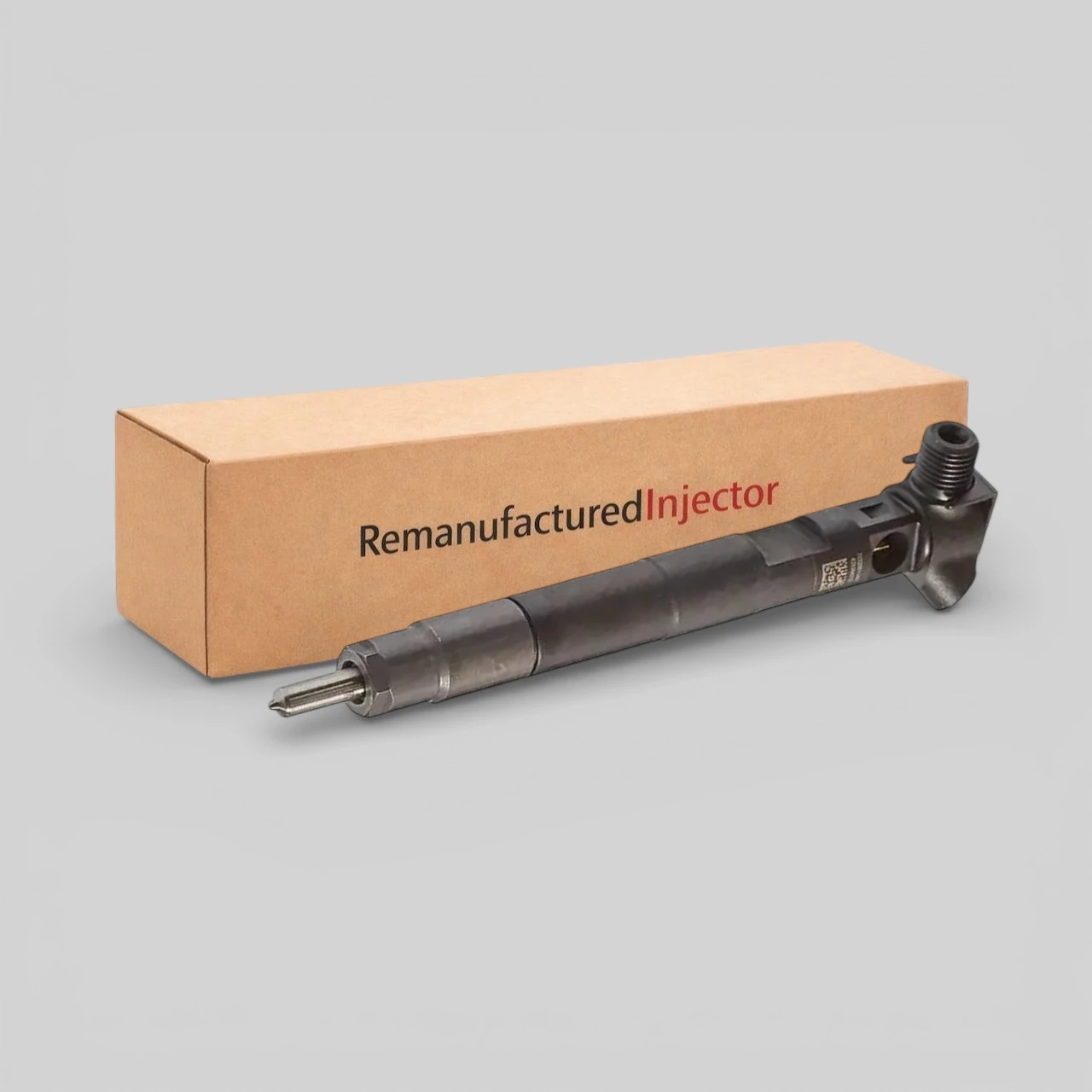
Delphi A6510704987
Remanufactured Delphi 28272472DNR diesel injector for Mercedes-Benz 2.1 CDI OM651 engines. Direct-fit replacement for C-Class, E-Class, CLA, GLA, GLK, Vito, V-Class, Sprinter and SLK applications. Cross-references A6510704987, A6510702387, HRD351, 28272472. OEM-tested and calibrated with full flow and leak-back verification. Includes 12-month unlimited-mileage warranty. Supplied as an exchange unit — return your old injector within 30 days.
Fits: OM651, OM651.911, OM651.924, OM651.925
View injector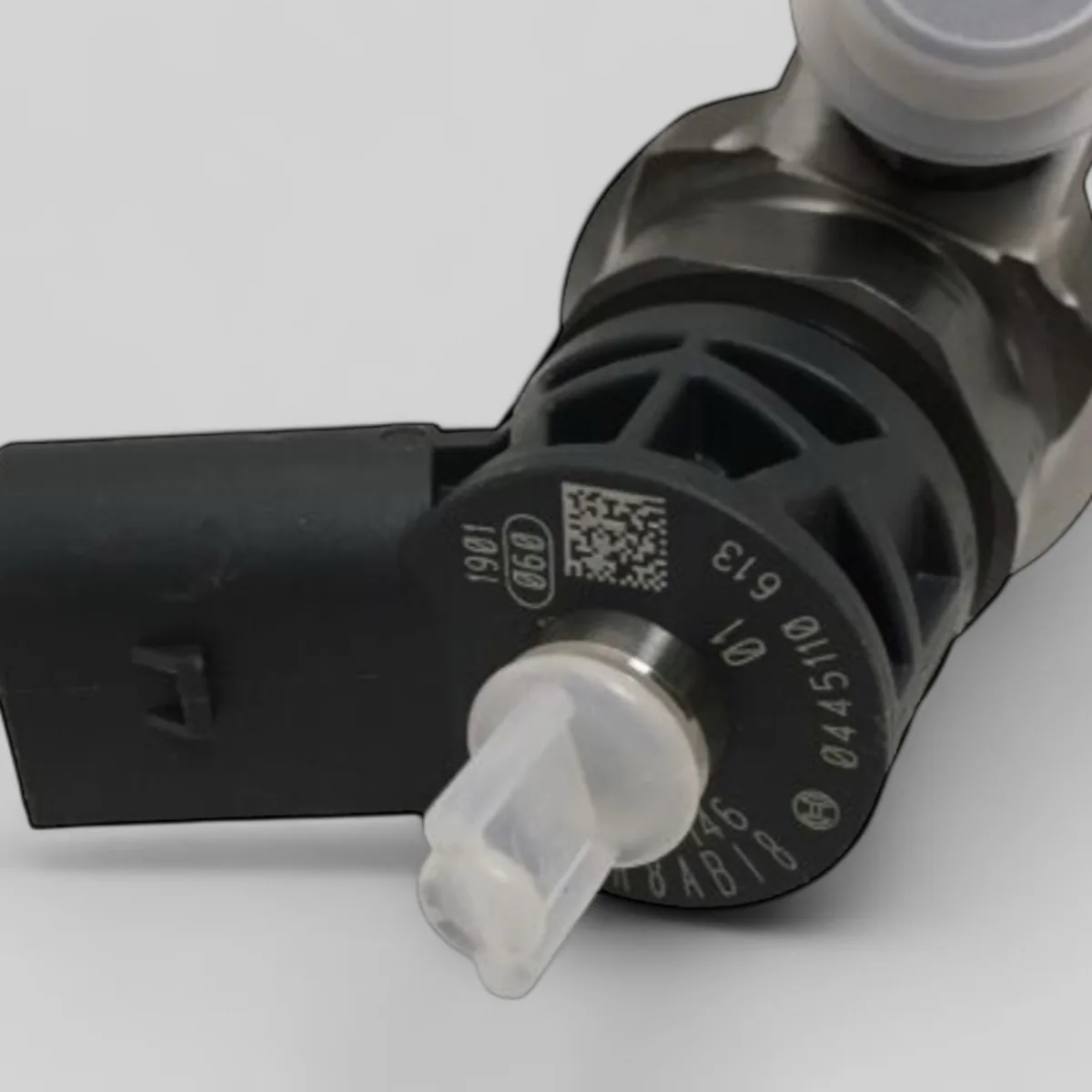
Bosch 0445110613
BMW 2.0d B47 Remanufactured Common Rail Injector
Fits: B47, B47C20A, B47D20, B47D20A
View injector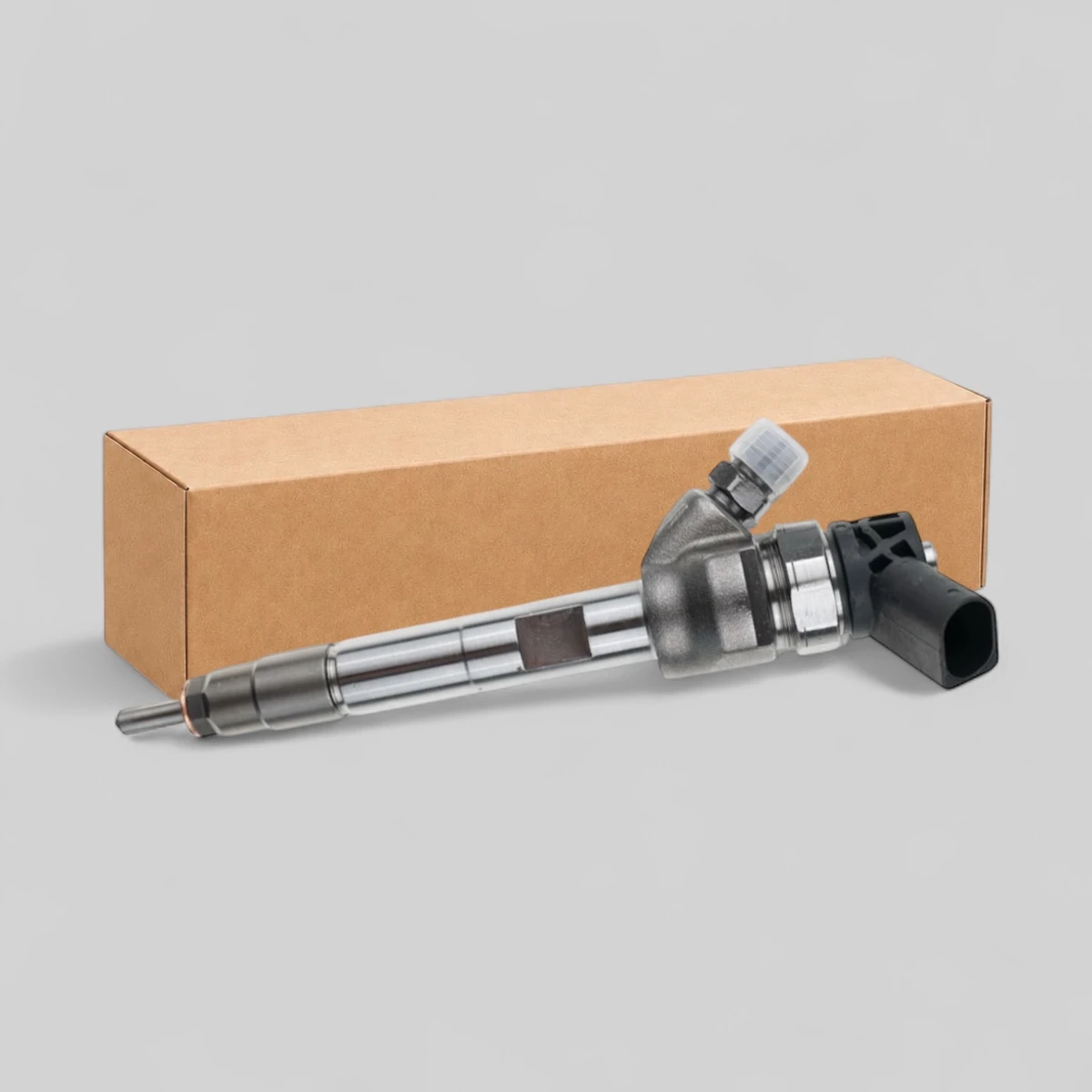
Bosch 13538514148
2.0L Diesel Remanufactured Solenoid Injector (BMW B47)
Fits: B47, B47C20A, B47D20, B47D20A
View injector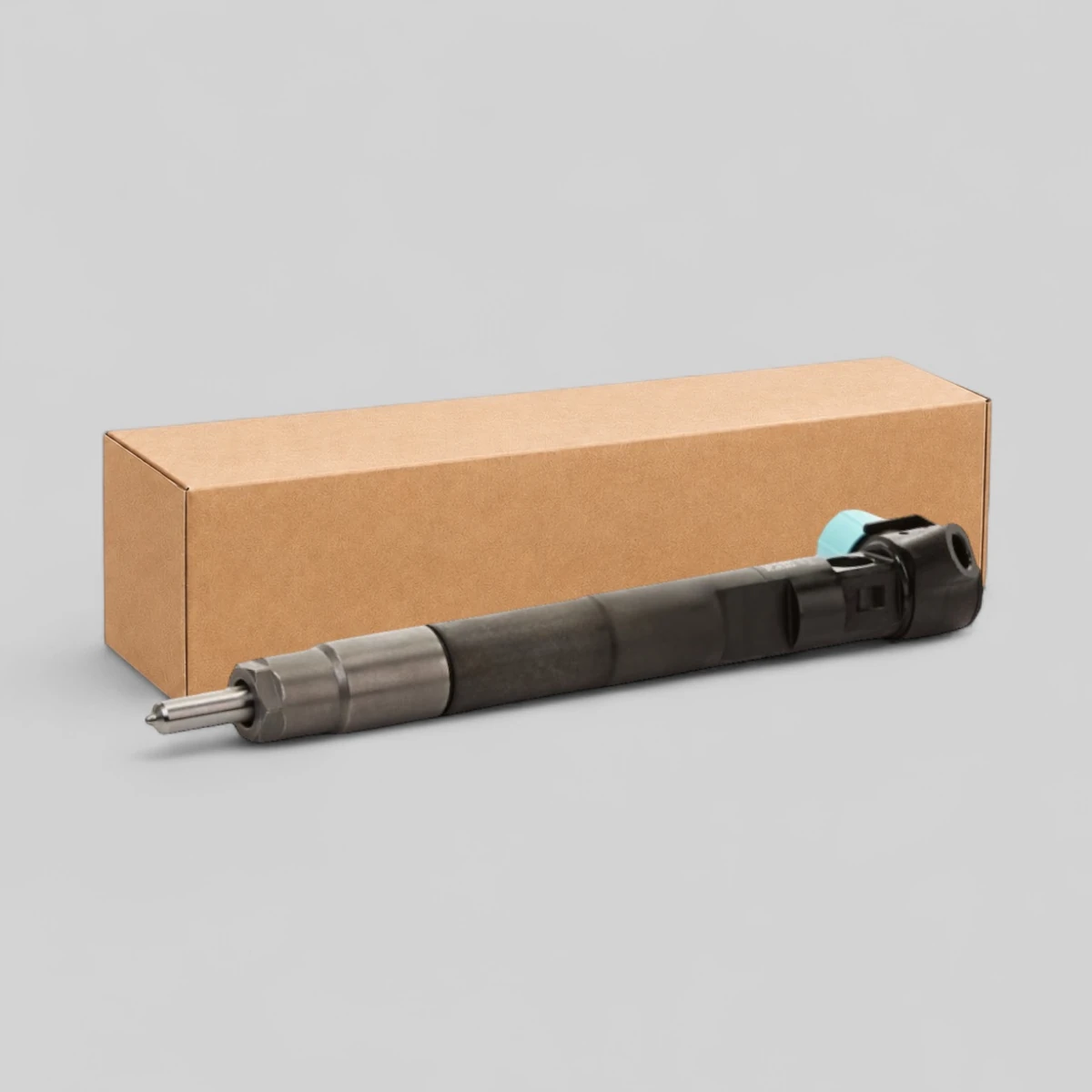
Delphi 28307309
Delphi remanufactured diesel injector for Mercedes OM651 applications. OEM tested and calibrated on CR318 PRO test bench. 12-month warranty included. Free UK delivery. Suitable for professional garage use. Exchange unit — return your old injector within 30 days.
Fits: OM651.955, OM651.956, OM651.957, OM651.958
View injector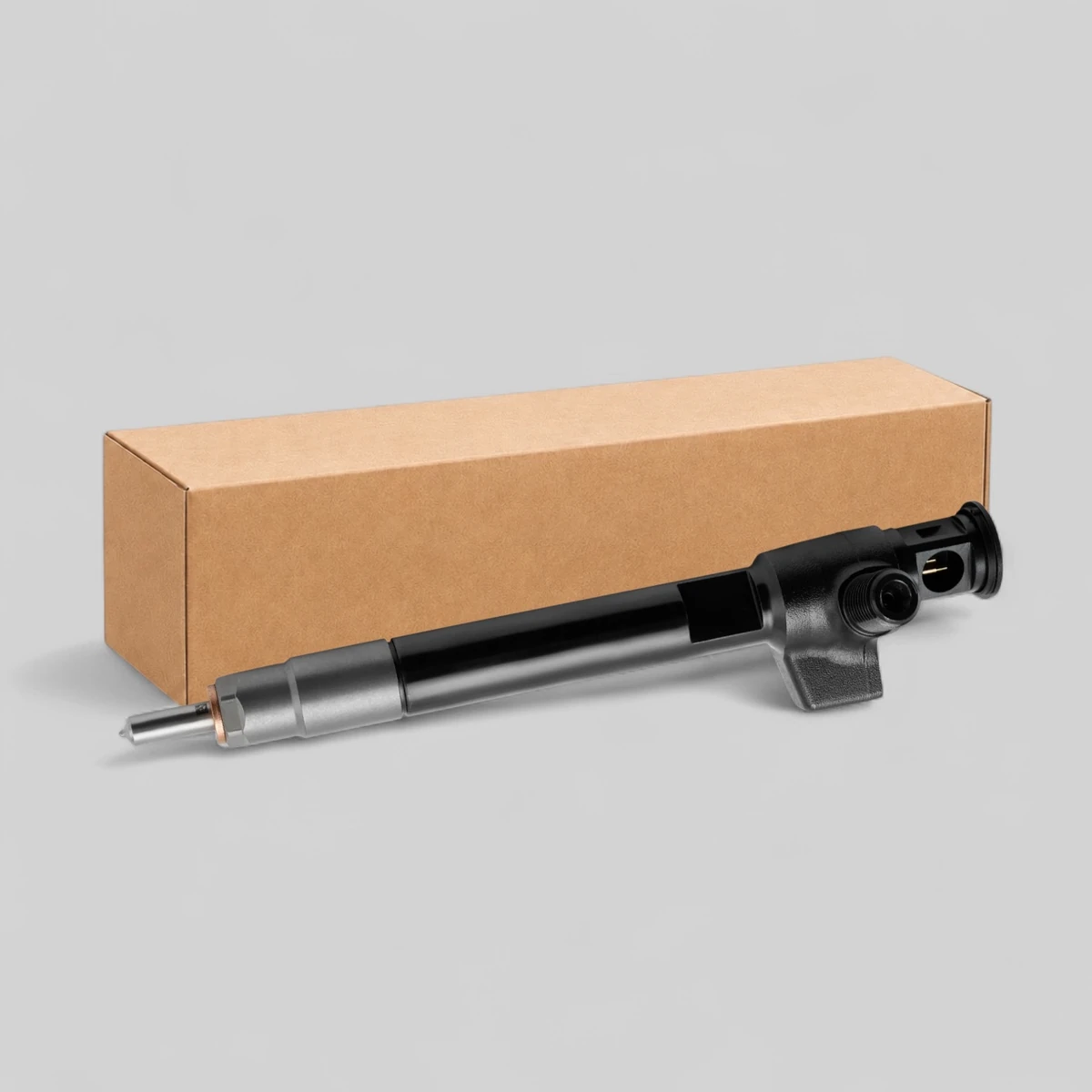
Delphi 28388960
Remanufactured Delphi 28388960 diesel injector for Ford 2.0 TDCi and Peugeot/Citroen 2.0 HDi/BlueHDi DW10 engines. Direct replacement for Ford Mondeo, Kuga, S-Max, Galaxy, Focus, C-Max, Edge and Peugeot 308, 508, 3008, 5008, Expert, Citroen C4, C5, DS4, DS5, Jumpy, Jumper applications. Cross-references 28602948, 9674984080, DS7Q9F593BA, HRD360. OEM-tested and calibrated with full flow and leak-back verification. Includes 12-month unlimited-mileage warranty. Supplied as an exchange unit — return your old injector within 30 days.
Fits: DW10C, DW10CB, DW10CT, DW10CTED4
View injector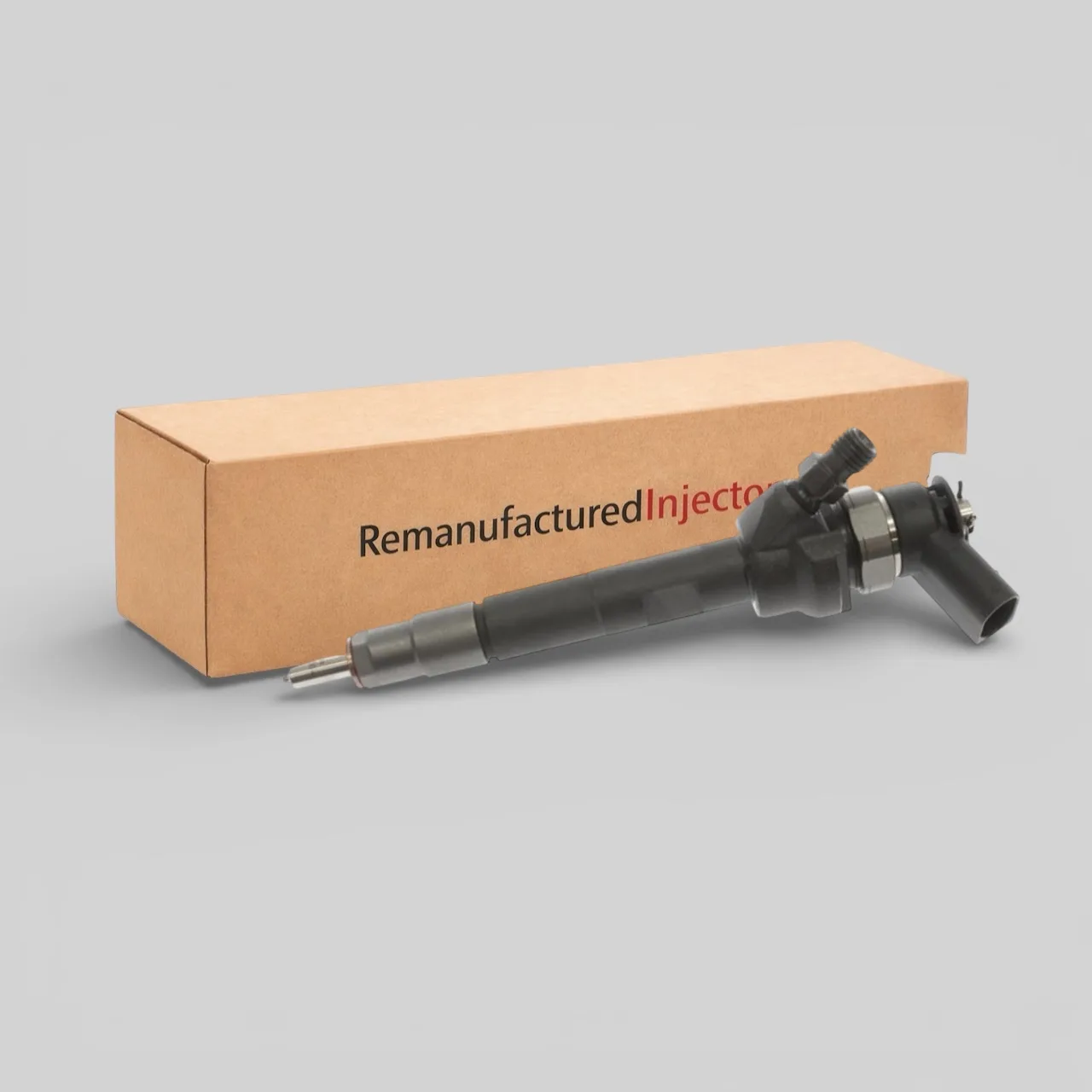
Bosch 0445110601
BMW 2.0d N47 Remanufactured Common Rail Injector
Fits: N47C20A, N47D20A, N47D20C
View injector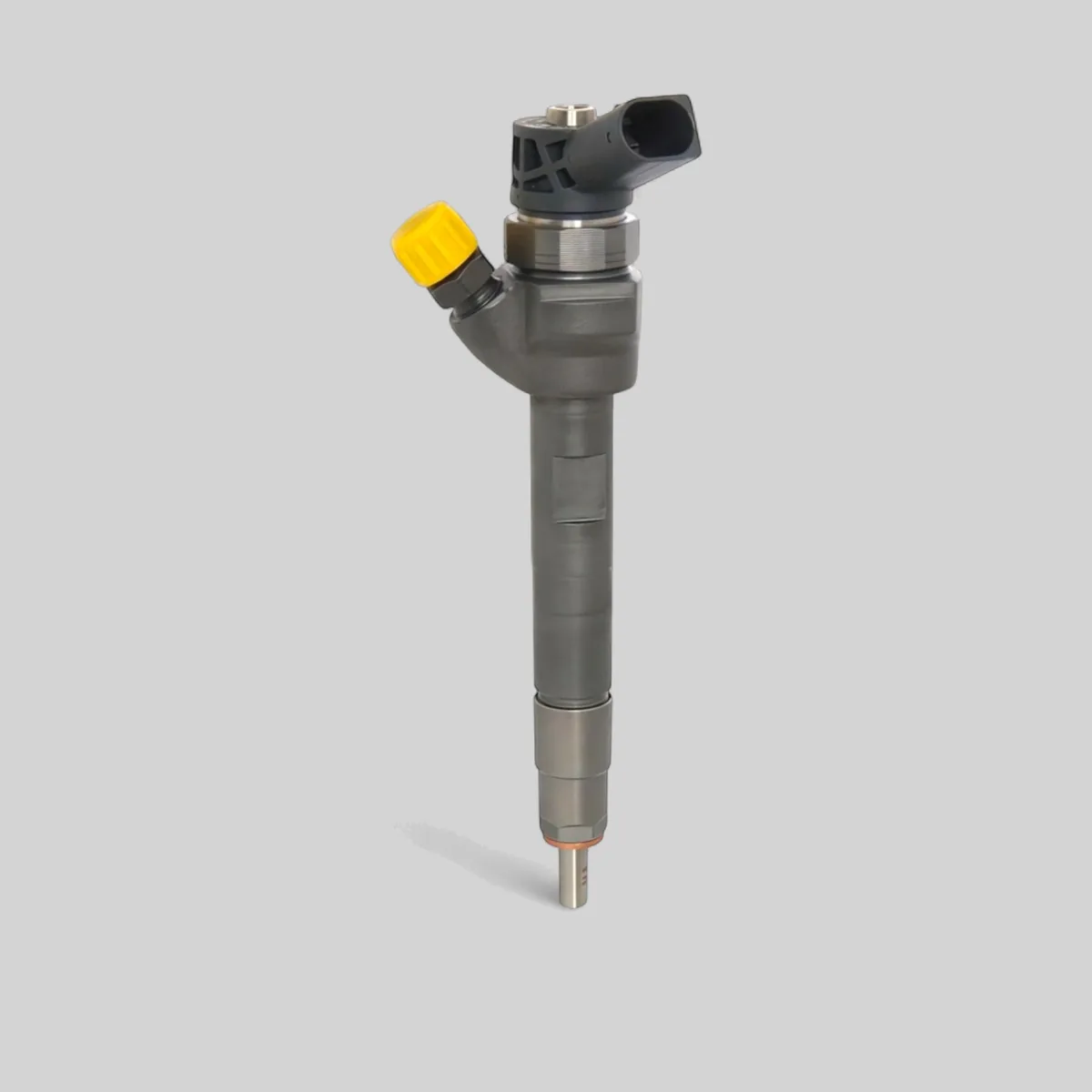
Bosch 0445110616
BMW 2.0L / 3.0L Diesel Remanufactured Common-Rail Injector (N47/N57)
Fits: N47D20B, N47D20C, N47D20O1
View injector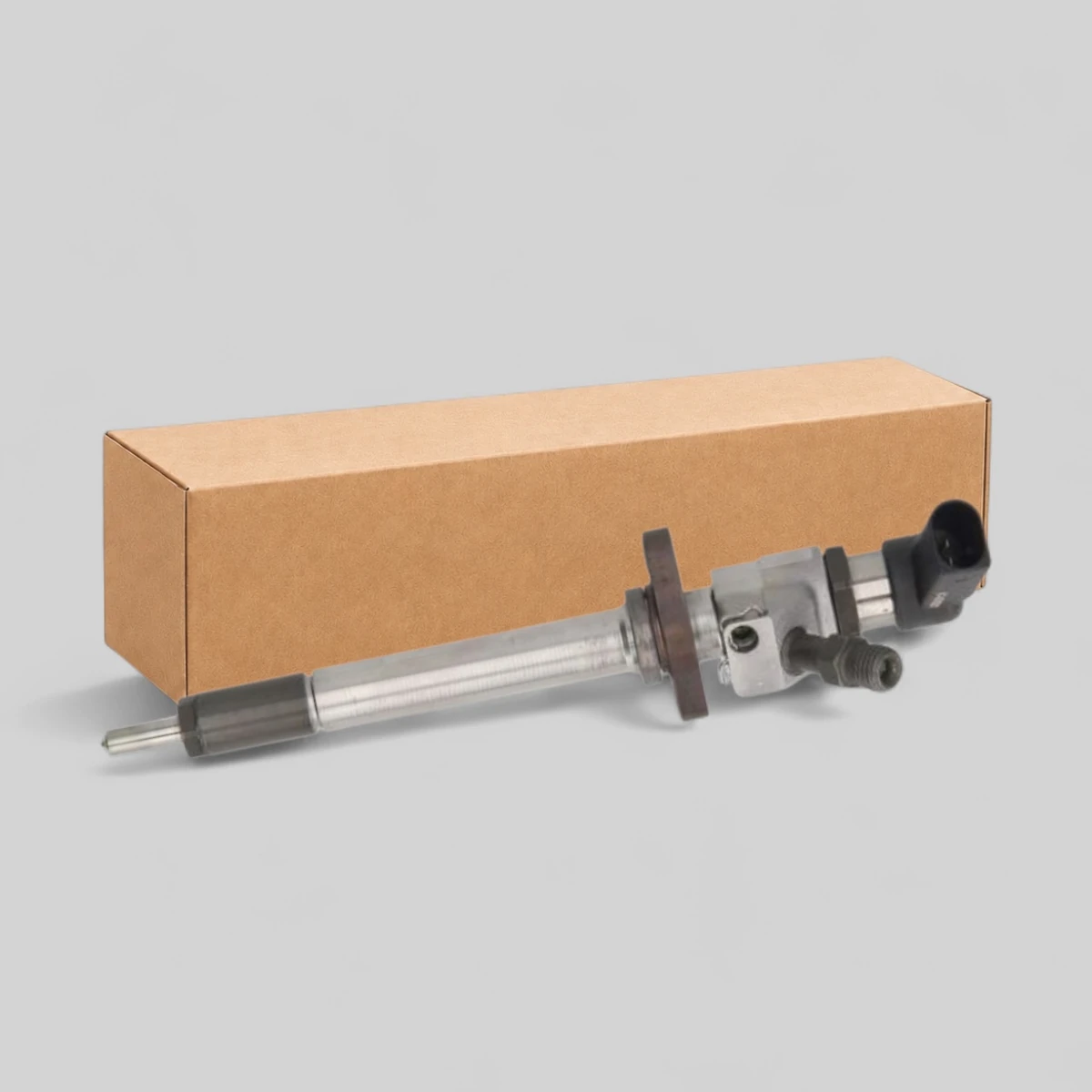
Siemens VDO / Continental 5WS40156Z
DW10 / 2.0 HDi / 2.0 TDCi / D4204T Remanufactured Common Rail Injector
Fits: DW10CB, DW10CTED4
View injectorEngine-Specific Guides
Detailed injector problem guides for popular diesel engines:
Prevention Advice
- Change the fuel filter at recommended intervals (every 20,000-30,000 miles)
- Use quality diesel from reputable filling stations
- Avoid running the tank below quarter-full to prevent sediment pickup
- Allow the engine to warm up before heavy acceleration
- Address fault codes promptly — early intervention prevents cascading damage
Frequently Asked Questions
Explore Related Content
- P0201 Injector Circuit Malfunction (Cylinder 1) — Cause...
- P0202 Injector Circuit Malfunction (Cylinder 2) — Cause...
- P0203 Injector Circuit Malfunction (Cylinder 3) — Cause...
- P0204 Injector Circuit Malfunction (Cylinder 4) — Cause...
- P2146 Injector Group A Supply Voltage — Causes & Fix
- P0263 Cylinder 1 Contribution/Balance — Causes & Fix
- P0300 Random/Multiple Cylinder Misfire — Causes & Fix
- P0087 Fuel Rail/System Pressure Too Low — Causes & Fix
- Diesel Engine Misfire Causes: Injector Faults & Diagnos...
- White Smoke from Diesel Engine: Causes, Injector Faults...
- Hard Starting Diesel in Cold Weather: Causes, Diagnosis...
- Car Shaking at Idle (Diesel): Injector & Engine Vibrati...
- Diesel Injector Leak-Off Test: Step-by-Step Guide for A...
- Injector Coding After Replacement: Complete Guide by Ve...
- How to Remove and Replace Diesel Injectors: Complete Wo...
- Common Rail Fuel Pressure Testing: Diagnostic Guide for...
Need Help Identifying Your Injector?
Our diesel specialists can help you find the right replacement. Call us or search by registration.