
P0300 Random/Multiple Cylinder Misfire — Causes & Fix
Updated for 2026 diagnostics & repair guidance
P0300 at a Glance
What it means
The ECU has detected misfires occurring randomly across multiple cylinders.
Most common cause
Worn or failing injectors, fuel supply issues, or low compression.
Severity
Serious — affects all cylinders, can damage the DPF and catalytic converter rapidly.
Can you drive?
Short distances only. Multiple misfires accelerate DPF damage.
Typical repair cost
£100–£1,400 depending on how many injectors need replacing.
What Does P0300 Mean?
P0300 is a generic OBD-II code indicating the Engine Control Unit (ECU) has detected misfires across more than one cylinder, but not consistently in any single cylinder. Unlike P0201–P0204 (which point to a specific cylinder), P0300 suggests a system-wide issue — typically fuel delivery, injection quality, or compression problems affecting the entire engine.
Common Causes
Injector-Related Causes
Multiple worn injectors
When several injectors have high mileage (80,000+ miles), they can all degrade together, causing random misfires across cylinders.
Injector back-leakage
Excessive fuel return from worn injector nozzles reduces rail pressure and causes inconsistent fuel delivery.
Other Possible Causes
Fuel supply restriction
A clogged fuel filter, failing lift pump, or kinked fuel line can starve all injectors, causing lean misfires.
Low fuel rail pressure
A weak high-pressure fuel pump (CP3/CP4) or leaking fuel rail sensor can reduce injection pressure below the threshold for clean combustion.
Air in fuel system
Leaking fuel lines, cracked primer bulb, or loose filter housing allow air ingestion, causing random stalling and misfires.
Low compression (multiple cylinders)
Worn piston rings or valves in multiple cylinders reduce compression, preventing proper combustion.
Symptoms Drivers Notice
- Rough, uneven idle that varies in intensity
- Engine shaking or vibration at all speeds
- Intermittent loss of power during acceleration
- Engine management light flashing (severe misfire)
- Increased fuel consumption (15–30%)
- Black or white smoke varying between cylinders
- DPF warning light or forced regeneration failures
Vehicles Commonly Affected
Can You Still Drive with P0300?
Driving with P0300 is not recommended beyond getting home or to a workshop. Multiple misfires inject unburnt fuel into the exhaust, rapidly overloading the DPF. A flashing engine light means severe misfire — pull over and call for recovery. Continued driving risks catalytic converter meltdown (£800+) and turbo damage.
How Mechanics Diagnose P0300
- 1
Read live misfire counters
Use a diagnostic tool to read per-cylinder misfire counts. If all cylinders show misfires, it's a system issue (fuel/compression). If 2–3 cylinders dominate, suspect those injectors.
- 2
Check fuel rail pressure
Monitor rail pressure at idle and under load. If pressure drops below spec (e.g., <250 bar idle), suspect the high-pressure pump, fuel filter, or injector back-leakage.
- 3
Perform injector leak-off test
Measure fuel return from each injector. Excessive return (>20ml/min) from multiple injectors confirms widespread injector wear.
- 4
Compression test
If injectors and fuel supply check out, perform a compression test to rule out mechanical engine wear.
- 5
Inspect fuel system for air leaks
Check all fuel lines, filter housing seals, and primer bulb for cracks that could allow air ingestion.
Repair Solutions & Costs
Replace all injectors (full set)
If leak-off test shows multiple injectors failing, replacing the full set is the most cost-effective long-term solution. Prevents return visits.
Replace fuel filter + bleed system
If fuel starvation is suspected, replace the filter and bleed the system. This is the cheapest first step.
Replace high-pressure fuel pump
If rail pressure is low and injector leak-off is normal, the high-pressure pump may need replacing.
Repair fuel line air leak
Replace cracked fuel lines, primer bulb, or filter housing seals to eliminate air ingestion.
Replacing injectors? Browse our remanufactured diesel injectors, reconditioned injectors or refurbished diesel injectors — all bench-tested with a 12-month warranty.
When Injector Replacement Is Required
Injector replacement is required when: multiple injectors fail the leak-off test, the misfire persists after fuel filter and pump checks, or the vehicle has 80,000+ miles on the original injectors. Replacing the full set avoids staggered failures.
Compatible Remanufactured Injectors
OEM bench-tested injectors for engines affected by P0300 — verified pricing, 12-month warranty, free UK delivery.
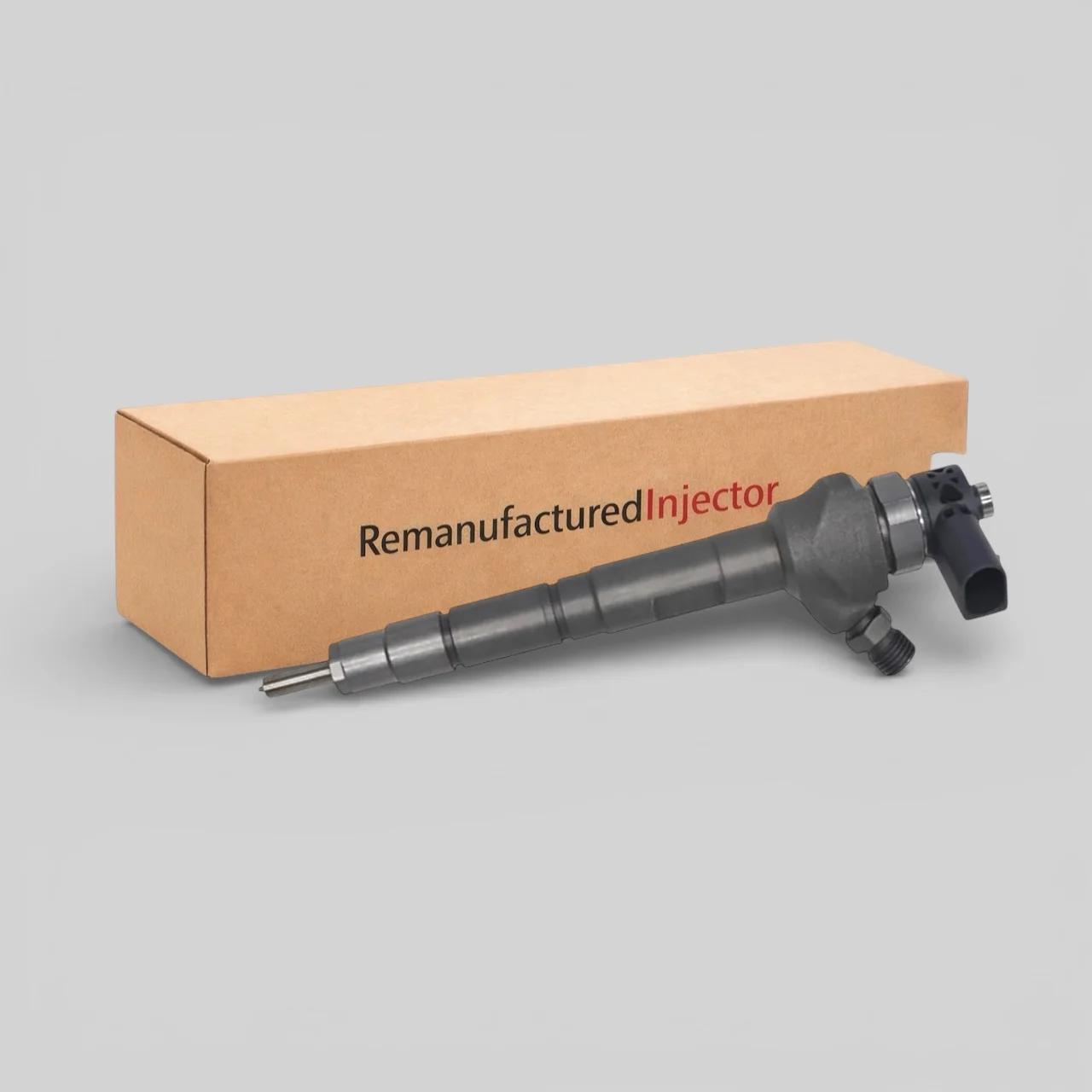
Bosch 0445110369
VW/Audi 2.0 TDI (EA189/EA288) Remanufactured Common Rail Injector
Fits: CDLC, CFFA, CFFB, CFFD
View injector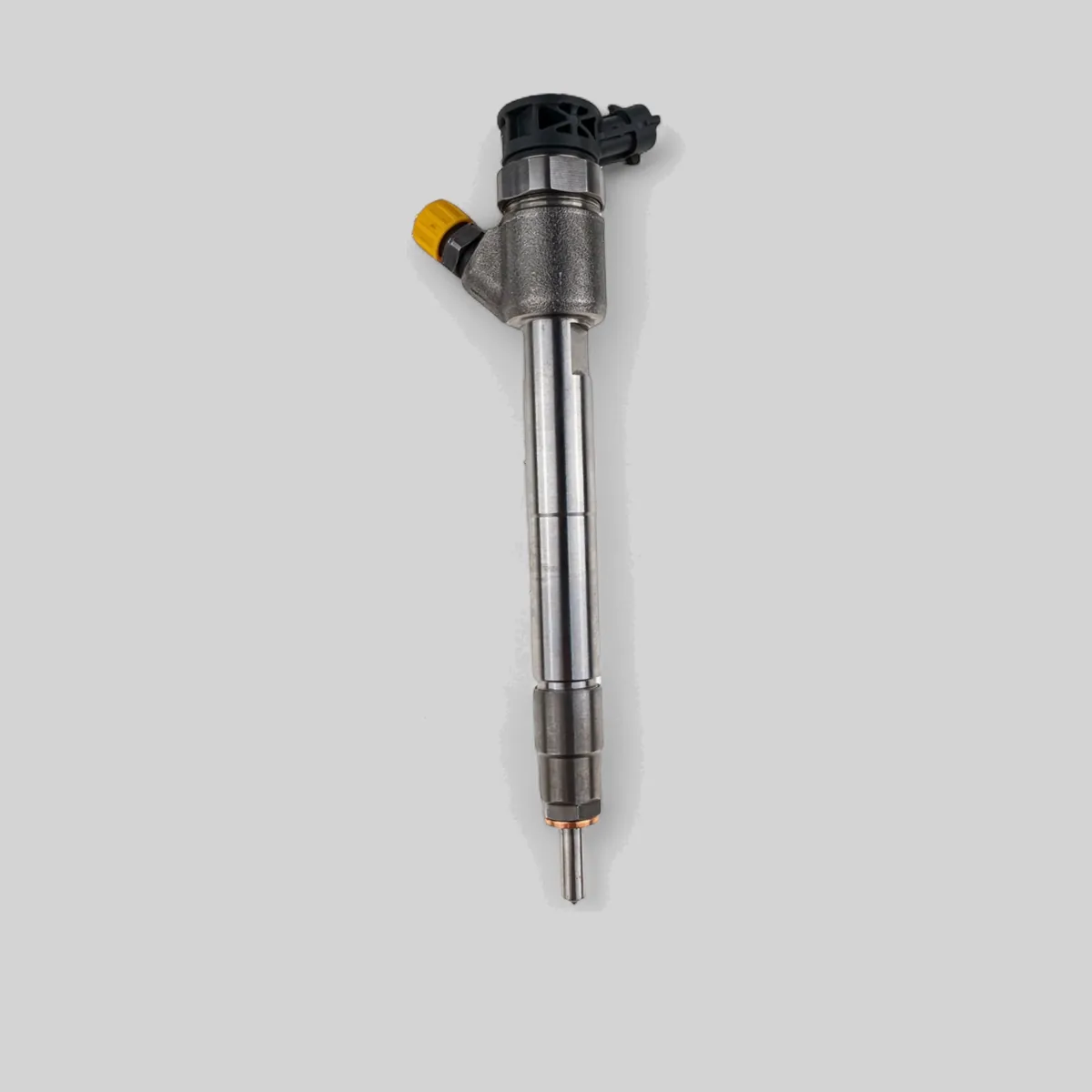
Bosch 0445110955
PSA/Ford 1.5 EcoBlue/BlueHDi Remanufactured Common Rail Injector
Fits: BEGA, D15DT, D15DTH, YHR
View injector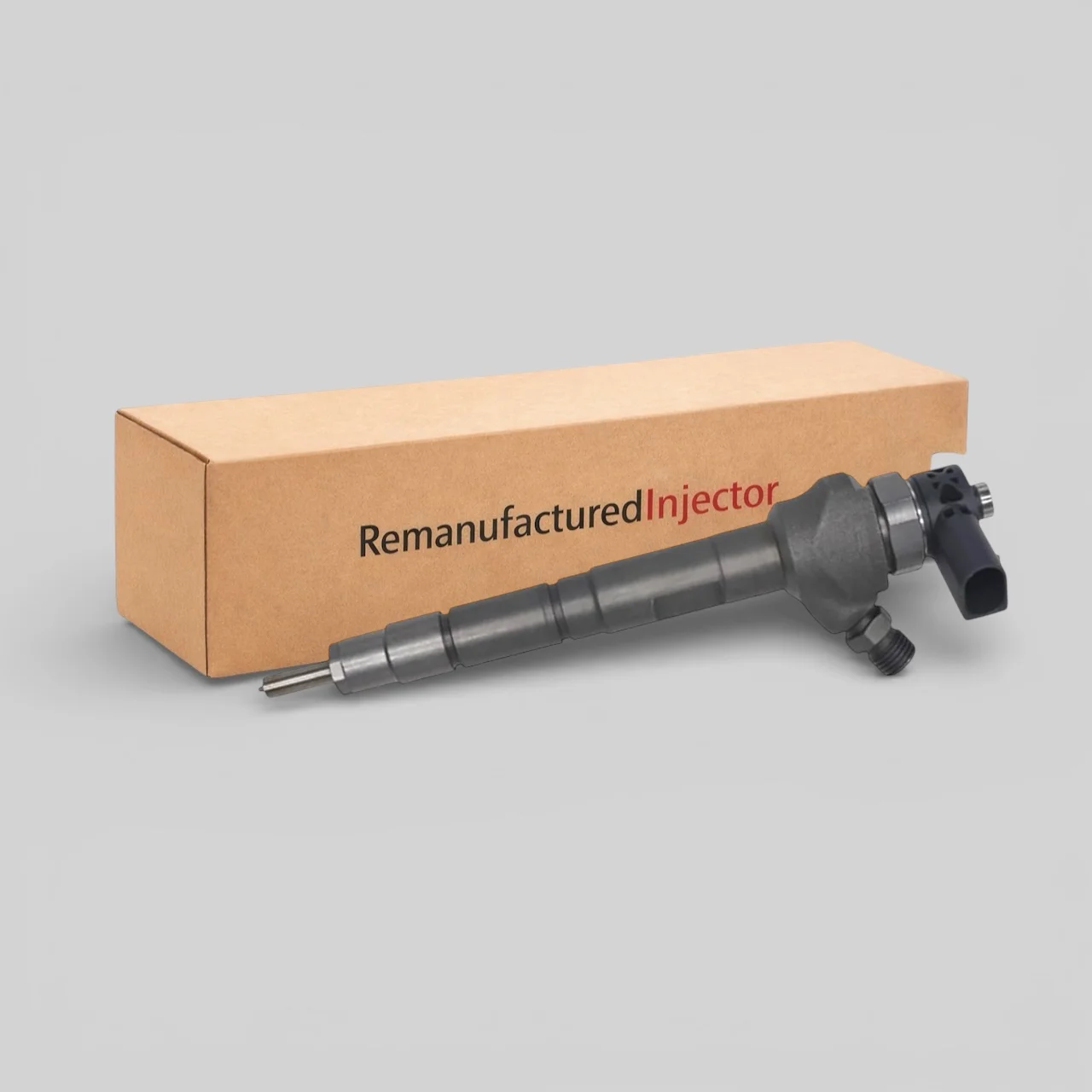
Bosch 0445110470
VW/Audi 2.0 TDI (EA288 Gen2) Remanufactured Common Rail Injector
Fits: CNHA, CNHC, CRGB, CUNA
View injector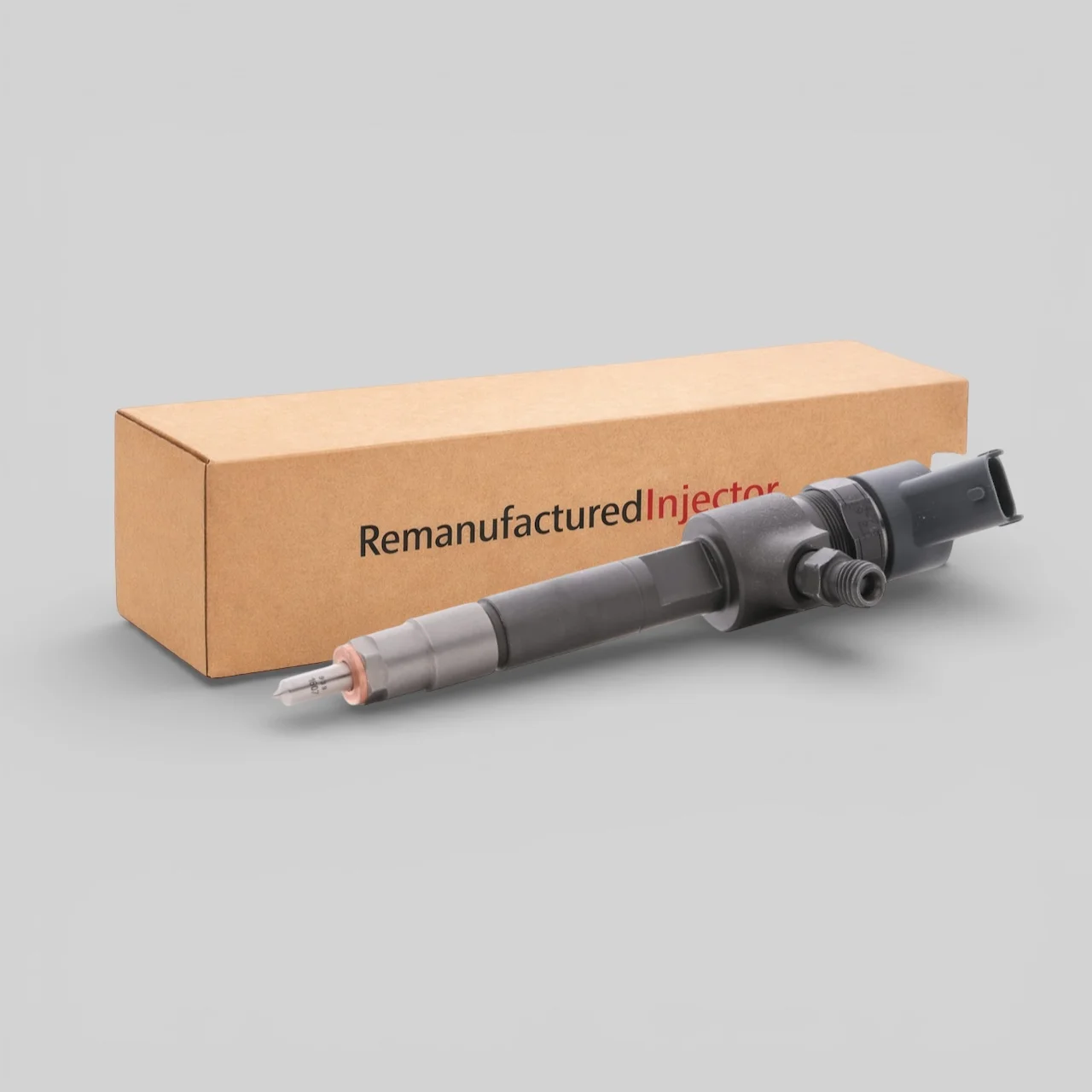
Bosch 0445110276
Fiat / Opel 1.9 JTD / CDTi Remanufactured Common Rail Injector
Fits: 186A7000, 186A8000, 186A9000, 192A8000
View injector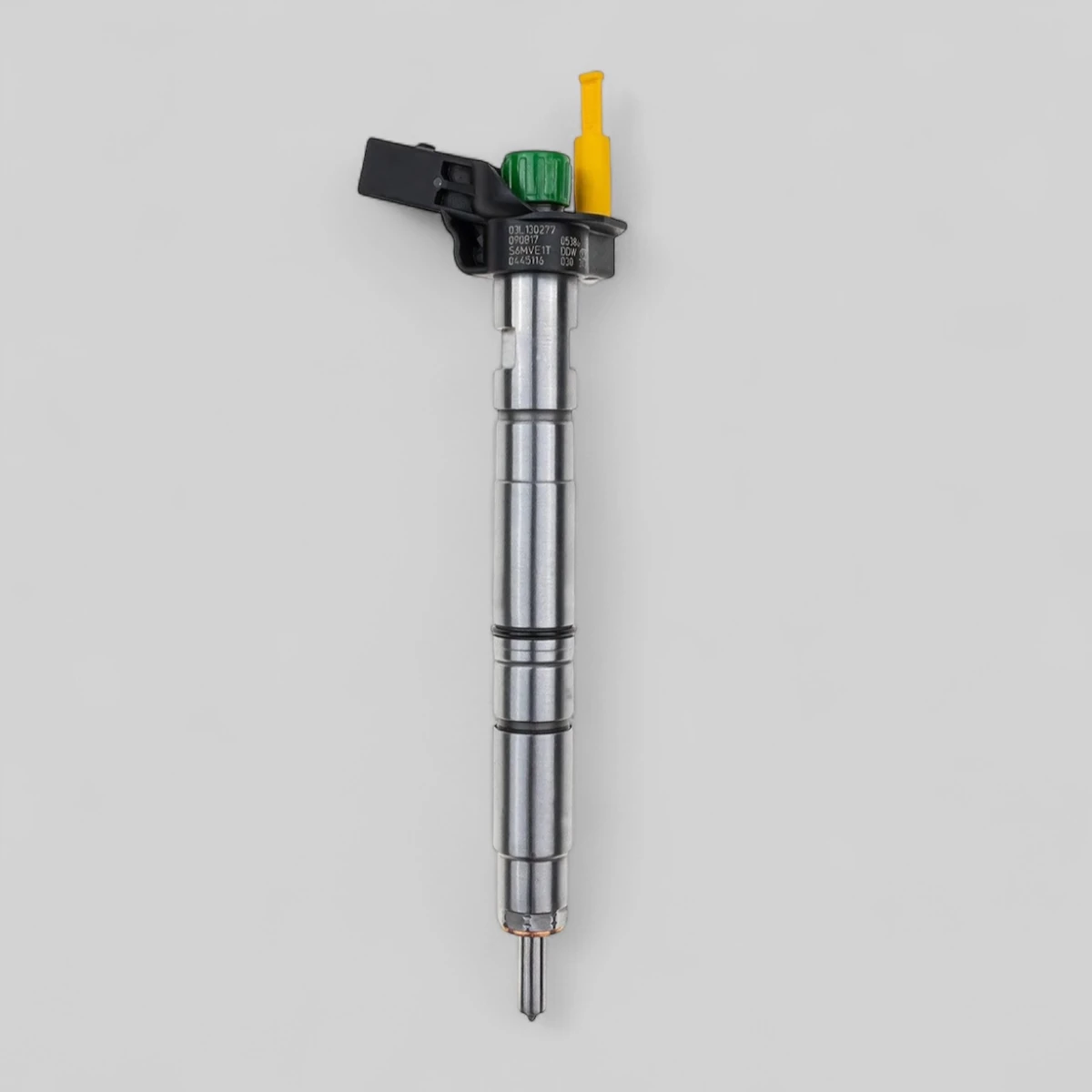
Bosch 0445116030
Remanufactured Bosch 0445116030 diesel injector for VAG 2.0 TDI EA189 common rail applications. Direct replacement for VW Golf, Passat, Tiguan, Audi A3, A4, A5, A6, Q5, Skoda Octavia, Superb and Seat Leon with CBAB, CAGA, CAHA and CMEA engine variants. Cross-references 0445116029, 0445116004, 0986435360, 03L130277. OEM-tested and calibrated with full flow and leak-back verification on CR318 PRO test bench. Includes 12-month unlimited-mileage warranty. Supplied as an exchange unit — return your old injector within 30 days.
Fits: CAGA, CAGB, CAGC, CAHA
View injector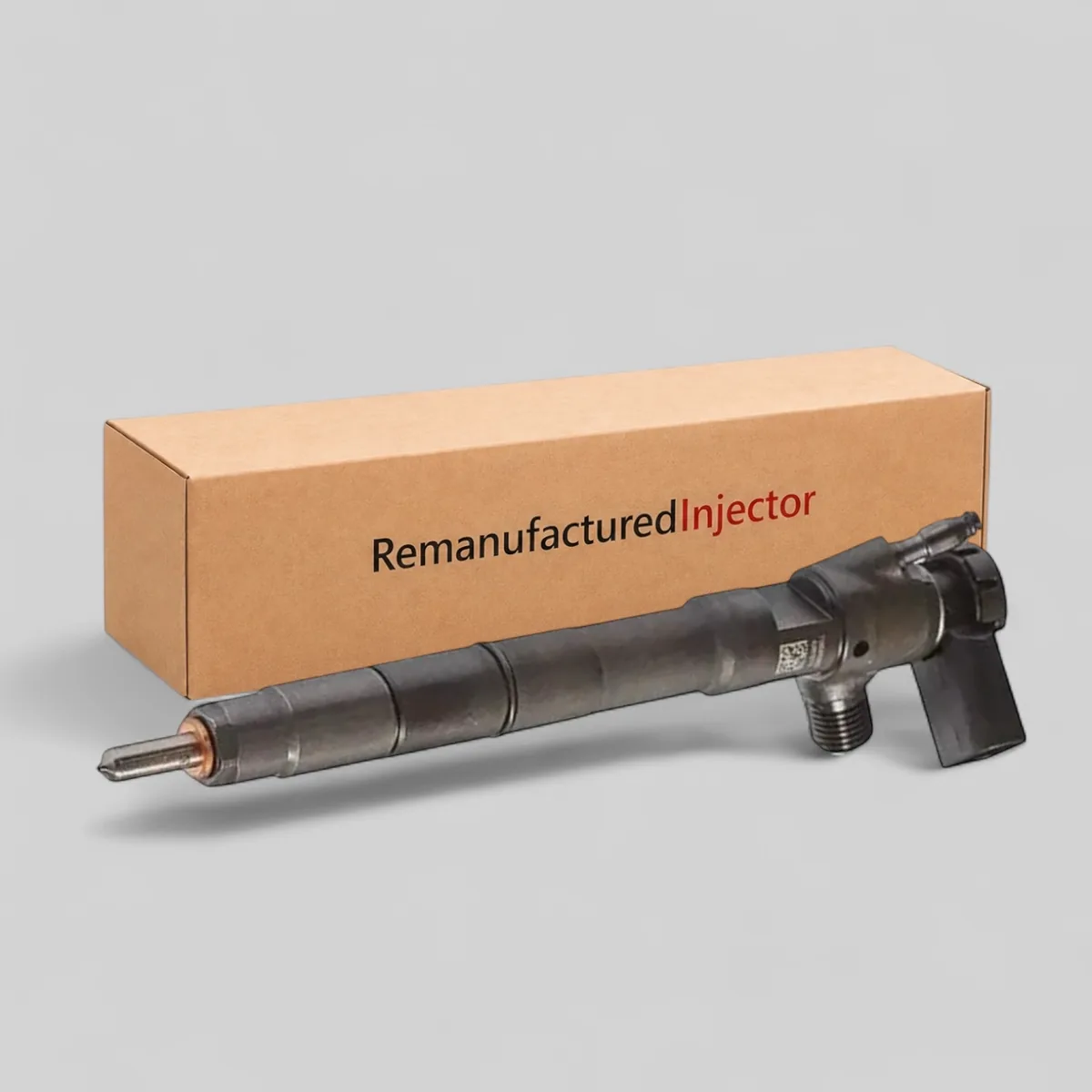
Delphi 28654963
VW Commercial 2.0 TDI Delphi Remanufactured Common-Rail Injector — Transporter T5/T6, Crafter, Amarok
Fits: CAAA, CAAB, CXFA, CXGA
View injector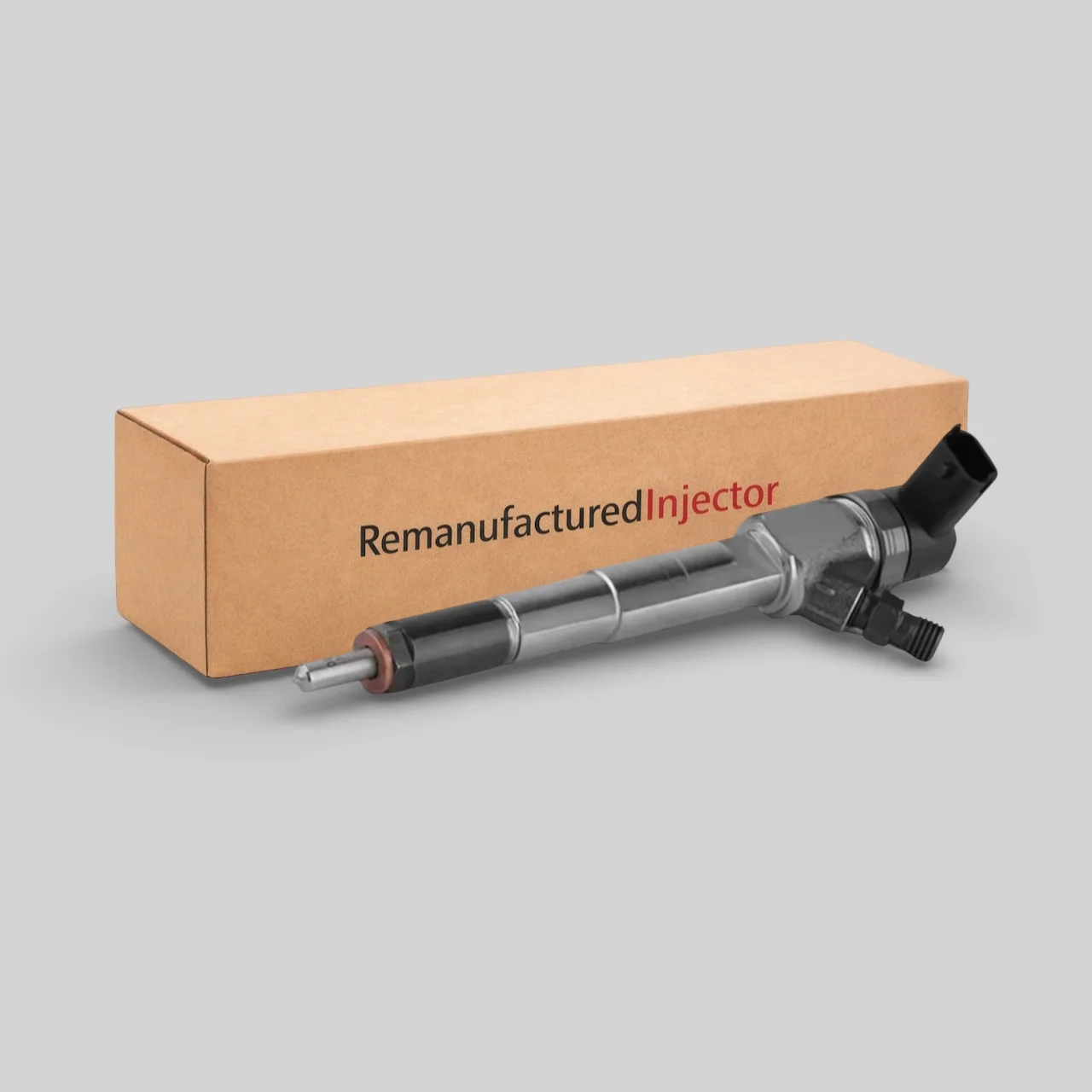
Bosch 0445110391
Fiat / Opel 1.9 JTD / CDTi 150hp Remanufactured Common Rail Injector
Fits: 192B1000, 937A4000, 937A5000, 937A6000
View injector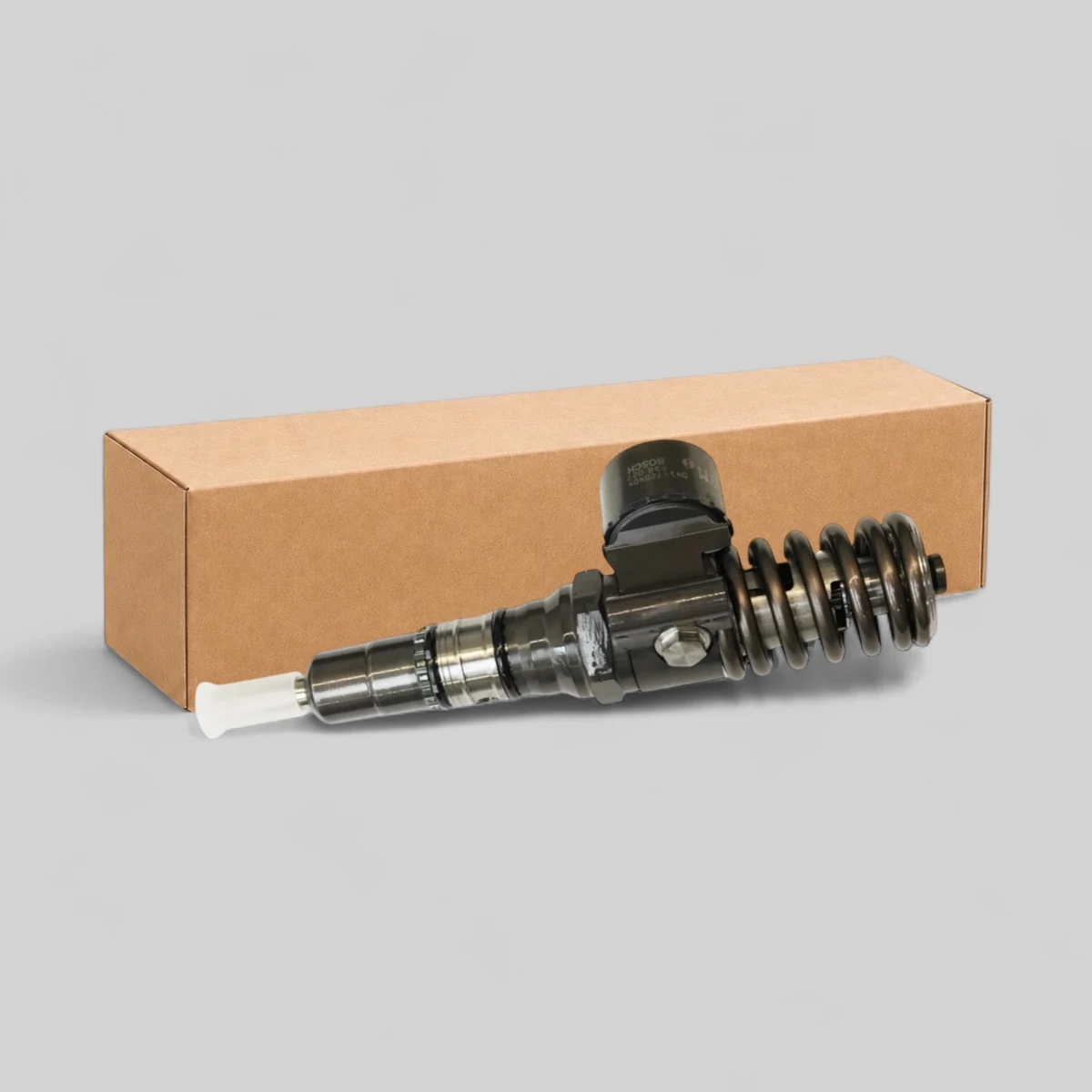
Bosch 03G130073G
Remanufactured Bosch 03G130073G unit injector (Pumpe-Duse) for VAG 2.0 TDI PD applications. Direct replacement for VW Golf, Passat, Touran, Audi A3, A4, A6, Skoda Octavia and Seat Leon with BKD, AZV, BLB, BRE PD engines. Cross-references 03G130073GX, 0414720454, 0986441516, MN980235. OEM-tested and calibrated with full flow and leak-back verification on CR318 PRO test bench. Includes 12-month unlimited-mileage warranty. Supplied as an exchange unit — return your old injector within 30 days.
Fits: AZV, BKD, BLB, BNA
View injectorCompatible Injector Part Numbers
6 injectors compatible with engines affected by P0300.
Cross Reference Numbers
OEM and alternative part numbers for injectors affected by P0300.
Affected Vehicle & Engine Combinations
Trusted Injector Families for These Engines
Verified remanufactured injector families fitted to engines documented to log P0300.
0445110369
Bosch · VW/Audi 2.0 TDI (EA189/EA288)
Engines: CDLC, CFFA, CFFB, CFFD, CFFE, CFGB
0445110955
Bosch · PSA/Ford 1.5 EcoBlue/BlueHDi
Engines: BEGA, D15DT, D15DTH, YHR, YHV, YHW
0445110470
Bosch · VW/Audi 2.0 TDI (EA288 Gen2)
Engines: CNHA, CNHC, CRGB, CUNA, CUPA, CUVD
0445110276
Bosch · Fiat / Opel 1.9 JTD / CDTi
Engines: 186A7000, 186A8000, 186A9000, 192A8000, 192B4000, 192B5000
0445116030
Bosch · 2.0L TDI CR (EA189)
Engines: CAGA, CAGB, CAGC, CAHA, CAHB, CBAA
28654963
Delphi · VW Commercial 2.0 TDI (Transporter T5/T6, Crafter, Amarok)
Engines: CAAA, CAAB, CXFA, CXGA, CXGB, CXHA
Need a Replacement Injector?
UK-tested remanufactured injectors with 12-month warranty. Search by engine code or vehicle registration.
Need it fast? Same-day dispatch on in-stock injectors.
Order before 2pm for next working day delivery (UK mainland). Call us on 020 3355 6581.
Engine-Specific Guides
Frequently Asked Questions
Explore Related Content
- P0201 Injector Circuit Malfunction (Cylinder 1) — Cause...
- P0202 Injector Circuit Malfunction (Cylinder 2) — Cause...
- P0203 Injector Circuit Malfunction (Cylinder 3) — Cause...
- P0204 Injector Circuit Malfunction (Cylinder 4) — Cause...
- P0087 Fuel Rail/System Pressure Too Low — Causes & Fix
- P0263 Cylinder 1 Contribution/Balance — Causes & Fix
- Diesel Injector Failure Symptoms: 9 Warning Signs You S...
- Diesel Engine Misfire Causes: Injector Faults & Diagnos...
- White Smoke from Diesel Engine: Causes, Injector Faults...
- Hard Starting Diesel in Cold Weather: Causes, Diagnosis...
- Car Shaking at Idle (Diesel): Injector & Engine Vibrati...
- Diesel Injector Leak-Off Test: Step-by-Step Guide for A...
- Injector Coding After Replacement: Complete Guide by Ve...
- How to Remove and Replace Diesel Injectors: Complete Wo...
Keep Exploring
Fault Codes
Symptoms
Why It Happens
Common-rail injectors live at extreme pressures with clearances measured in microns. Fuel quality, heat cycles and mileage wear the internal control valve and nozzle: back-leak rises, spray patterns deteriorate and delivery drifts from calibration. Most 'engine' complaints on high-mileage diesels trace back to this gradual injector wear.
Professional Diagnosis
Workshops follow a fixed order: scan for codes and freeze-frame data, compare requested vs actual rail pressure on live data, read cylinder balance corrections, then run a comparative leak-off test. That sequence identifies the faulty injector without guesswork — and prevents needlessly replacing pumps, sensors or the wrong injector.
Typical Workshop Findings
The most frequent findings are: one injector returning several times the leak-off volume of its neighbours; carbon build-up from a failed copper washer; corroded injector connectors; and missing injector coding after a previous repair. Genuine high-pressure pump failures are rarer than back-leak faults that mimic them.
When to Replace Injectors
Replace when testing proves internal wear: leak-off clearly above the other injectors, balance corrections at their limits, or a failed bench test. Cleaning and additives cannot restore worn internal clearances. Bench-tested remanufactured injectors restore original calibration at a fraction of the new price — always coded to the ECU where the engine requires it.
Need help finding the right injector?
Search by part number, OE reference or vehicle registration.
Find My Injector →Know your engine code?
Browse tested injectors for your exact engine.
Search by Engine →Need a diagnosis?
Match your symptoms to the likely injector fault.
See Symptoms →Need Help With P0300?
Our diesel specialists can help diagnose the issue and find the right injector.