
P0088 Fuel Rail/System Pressure Too High — Causes & Fix
Updated for 2026 diagnostics & repair guidance
P0088 at a Glance
What it means
Measured rail pressure has exceeded the commanded target.
Most common cause
Sticking fuel pressure regulator / metering valve
Severity
Moderate to serious — rail-pressure faults cause power loss and non-starts.
Can you drive?
Short distances in limp mode only. Diagnose promptly.
Typical repair cost
£40-£150 for sensor/regulator work; £100-£350 per injector where back-leak is the cause.
What Does P0088 Mean?
P0088 is the opposite of the common P0087: the ECU sees rail pressure ABOVE target. Genuine over-pressure stresses injectors, pipes and the rail itself, so the ECU cuts power hard. The usual culprits are a sticking pressure-control valve or a blocked return path; sensor drift must be ruled out before parts are replaced.
Common Causes
Other Possible Causes
Sticking fuel pressure regulator / metering valve
The valve fails to bleed pressure down, letting the rail overshoot its target.
Blocked fuel return line
A kinked or blocked return stops excess pressure escaping to the tank.
Rail pressure sensor drift
A drifting sensor reports false over-pressure. Verified against actual measured values.
Symptoms Drivers Notice
- Loss of power / limp mode
- Hard or extended starting, especially when warm
- Engine cutting out or refusing to restart
- Engine management light on
Vehicles Commonly Affected
Can You Still Drive with P0088?
Limp mode usually allows a short, gentle drive but rail-pressure faults can cause sudden cut-outs. Do not ignore a hot-restart failure — it typically worsens quickly.
How Mechanics Diagnose P0088
- 1
Compare requested vs actual rail pressure
Check live data at idle, under load and while cranking.
- 2
Run an injector leak-off test
Excessive back-leak return identifies leaking injectors.
- 3
Test the regulator / control valve
Check the valve's response and inspect its wiring circuit.
- 4
Check the low-pressure supply
Inspect the lift pump, filter and pipework before condemning high-pressure parts.
Repair Solutions & Costs
Replace leaking injectors
Fit bench-tested remanufactured units and code them to the ECU.
Replace the sensor or control valve
Replace the rail-pressure sensor or control valve where testing isolates it.
Repair control-circuit wiring
Repair wiring or connector faults found on the control circuit.
Replacing injectors? Browse our remanufactured diesel injectors, reconditioned injectors or refurbished diesel injectors — all bench-tested with a 12-month warranty.
When Injector Replacement Is Required
When the leak-off test shows one or more injectors returning well above the others, those injectors are the cause of the pressure loss and must be replaced — regulators and sensors cannot compensate for internal injector leakage.
Compatible Remanufactured Injectors
OEM bench-tested injectors for engines affected by P0088 — verified pricing, 12-month warranty, free UK delivery.
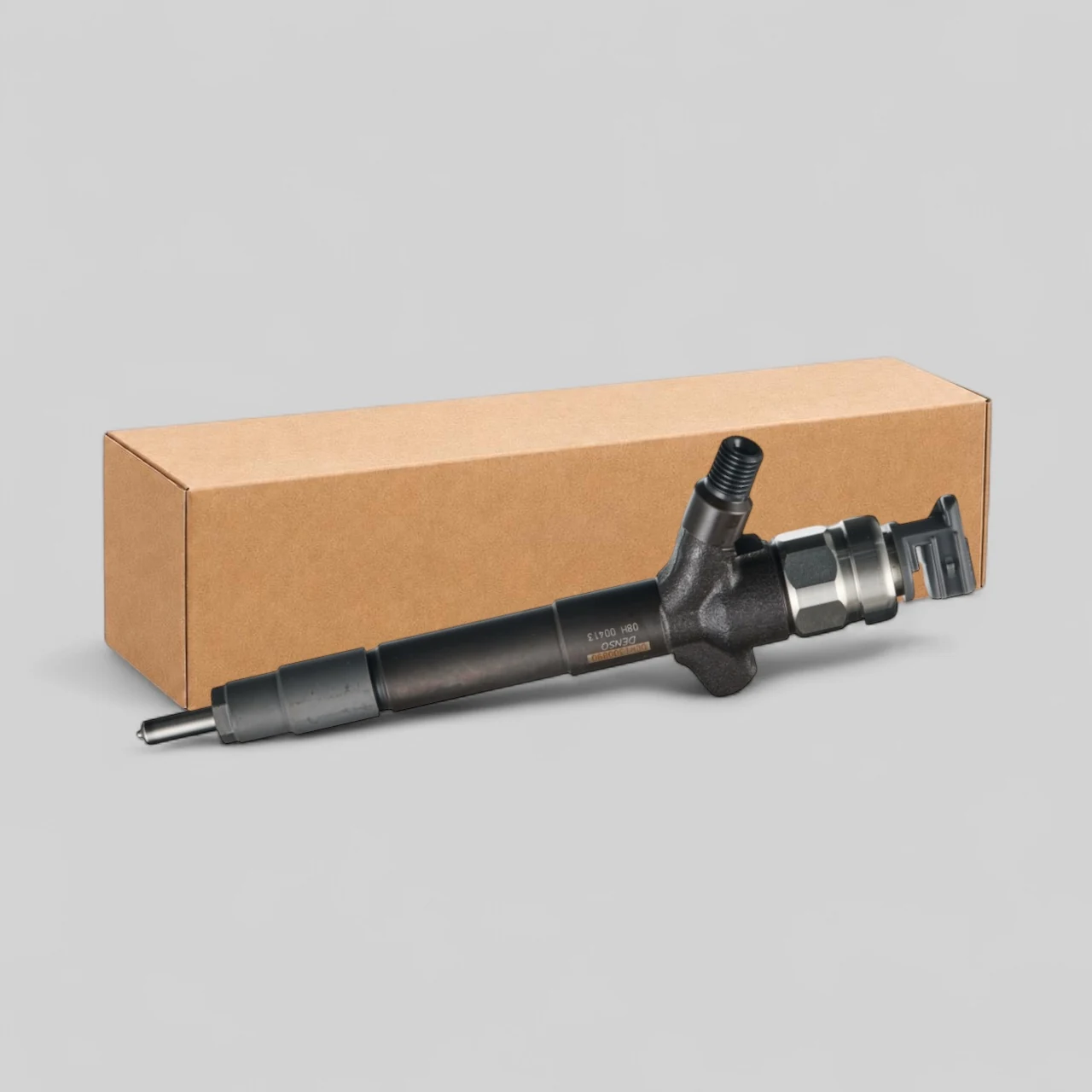
DENSO DCRI300890
DENSO DCRI300890 remanufactured common-rail diesel injector for Mitsubishi 2.5 DI-D 16V (4D56 16V / 4D56-HP) engines — L200/Triton, Pajero Sport / Shogun Sport, Challenger. Professionally tested and calibrated to OEM specification. Includes: OEM Tested, 12 Month Warranty, Free UK Delivery.
Fits: 4D56 16V, 4D56-HP
View injector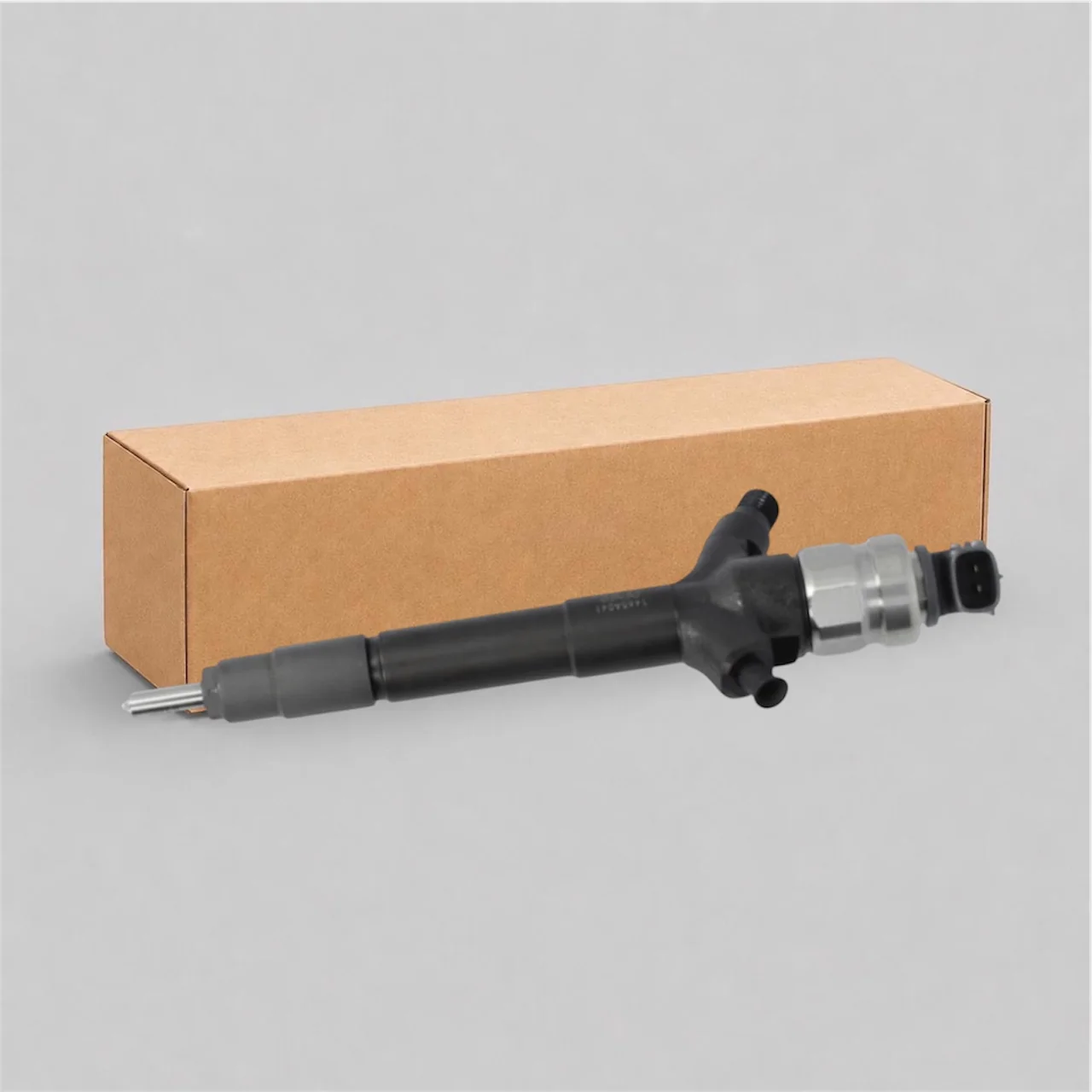
DENSO DCRI105600
DENSO 3.2 DI-D (4M41) Remanufactured Common Rail Injector for Mitsubishi Pajero/Shogun, L200 and Canter
Fits: 4M41
View injectorCompatible Injector Part Numbers
6 injectors compatible with engines affected by P0088.
Cross Reference Numbers
OEM and alternative part numbers for injectors affected by P0088.
Affected Vehicle & Engine Combinations
Trusted Injector Families for These Engines
Verified remanufactured injector families fitted to engines documented to log P0088.
Need a Replacement Injector?
UK-tested remanufactured injectors with 12-month warranty. Search by engine code or vehicle registration.
Need it fast? Same-day dispatch on in-stock injectors.
Order before 2pm for next working day delivery (UK mainland). Call us on 020 3355 6581.
Engine-Specific Guides
Frequently Asked Questions
Explore Related Content
- Diesel Injector Failure Symptoms: 9 Warning Signs You S...
- Diesel Engine Misfire Causes: Injector Faults & Diagnos...
- White Smoke from Diesel Engine: Causes, Injector Faults...
- Hard Starting Diesel in Cold Weather: Causes, Diagnosis...
- Car Shaking at Idle (Diesel): Injector & Engine Vibrati...
- Diesel Injector Leak-Off Test: Step-by-Step Guide for A...
- Injector Coding After Replacement: Complete Guide by Ve...
- How to Remove and Replace Diesel Injectors: Complete Wo...
Keep Exploring
Fault Codes
Why It Happens
Common-rail injectors live at extreme pressures with clearances measured in microns. Fuel quality, heat cycles and mileage wear the internal control valve and nozzle: back-leak rises, spray patterns deteriorate and delivery drifts from calibration. Most 'engine' complaints on high-mileage diesels trace back to this gradual injector wear.
Professional Diagnosis
Workshops follow a fixed order: scan for codes and freeze-frame data, compare requested vs actual rail pressure on live data, read cylinder balance corrections, then run a comparative leak-off test. That sequence identifies the faulty injector without guesswork — and prevents needlessly replacing pumps, sensors or the wrong injector.
Typical Workshop Findings
The most frequent findings are: one injector returning several times the leak-off volume of its neighbours; carbon build-up from a failed copper washer; corroded injector connectors; and missing injector coding after a previous repair. Genuine high-pressure pump failures are rarer than back-leak faults that mimic them.
When to Replace Injectors
Replace when testing proves internal wear: leak-off clearly above the other injectors, balance corrections at their limits, or a failed bench test. Cleaning and additives cannot restore worn internal clearances. Bench-tested remanufactured injectors restore original calibration at a fraction of the new price — always coded to the ECU where the engine requires it.
Need help finding the right injector?
Search by part number, OE reference or vehicle registration.
Find My Injector →Know your engine code?
Browse tested injectors for your exact engine.
Search by Engine →Need a diagnosis?
Match your symptoms to the likely injector fault.
See Symptoms →Need Help With P0088?
Our diesel specialists can help diagnose the issue and find the right injector.