
P0193 Fuel Rail Pressure Sensor A Circuit High — Causes & Fix
Updated for 2026 diagnostics & repair guidance
P0193 at a Glance
What it means
The rail pressure sensor signal is stuck above its valid range.
Most common cause
Rail pressure sensor fault
Severity
Moderate to serious — rail-pressure faults cause power loss and non-starts.
Can you drive?
Short distances in limp mode only. Diagnose promptly.
Typical repair cost
£40-£150 for sensor/regulator work; £100-£350 per injector where back-leak is the cause.
What Does P0193 Mean?
P0193 means the rail-pressure sensor signal is pinned above its plausible window — an open signal wire, reference-voltage fault or failed sensor. Expect hard starting and limp mode until the circuit or sensor is repaired.
Common Causes
Injector-Related Causes
Genuine pressure instability
Excessive injector back-leak or a failing pump makes the real pressure so unstable the sensor reading is flagged.
Other Possible Causes
Rail pressure sensor fault
The sensor's output drifts or fails, so the ECU no longer trusts the pressure reading.
Sensor circuit wiring fault
Open, short or corroded wiring between the sensor and ECU skews the measured signal.
Symptoms Drivers Notice
- Loss of power / limp mode
- Hard or extended starting, especially when warm
- Engine cutting out or refusing to restart
- Engine management light on
Vehicles Commonly Affected
Can You Still Drive with P0193?
Limp mode usually allows a short, gentle drive but rail-pressure faults can cause sudden cut-outs. Do not ignore a hot-restart failure — it typically worsens quickly.
How Mechanics Diagnose P0193
- 1
Compare requested vs actual rail pressure
Check live data at idle, under load and while cranking.
- 2
Run an injector leak-off test
Excessive back-leak return identifies leaking injectors.
- 3
Test the regulator / control valve
Check the valve's response and inspect its wiring circuit.
- 4
Check the low-pressure supply
Inspect the lift pump, filter and pipework before condemning high-pressure parts.
Repair Solutions & Costs
Replace leaking injectors
Fit bench-tested remanufactured units and code them to the ECU.
Replace the sensor or control valve
Replace the rail-pressure sensor or control valve where testing isolates it.
Repair control-circuit wiring
Repair wiring or connector faults found on the control circuit.
Replacing injectors? Browse our remanufactured diesel injectors, reconditioned injectors or refurbished diesel injectors — all bench-tested with a 12-month warranty.
When Injector Replacement Is Required
When the leak-off test shows one or more injectors returning well above the others, those injectors are the cause of the pressure loss and must be replaced — regulators and sensors cannot compensate for internal injector leakage.
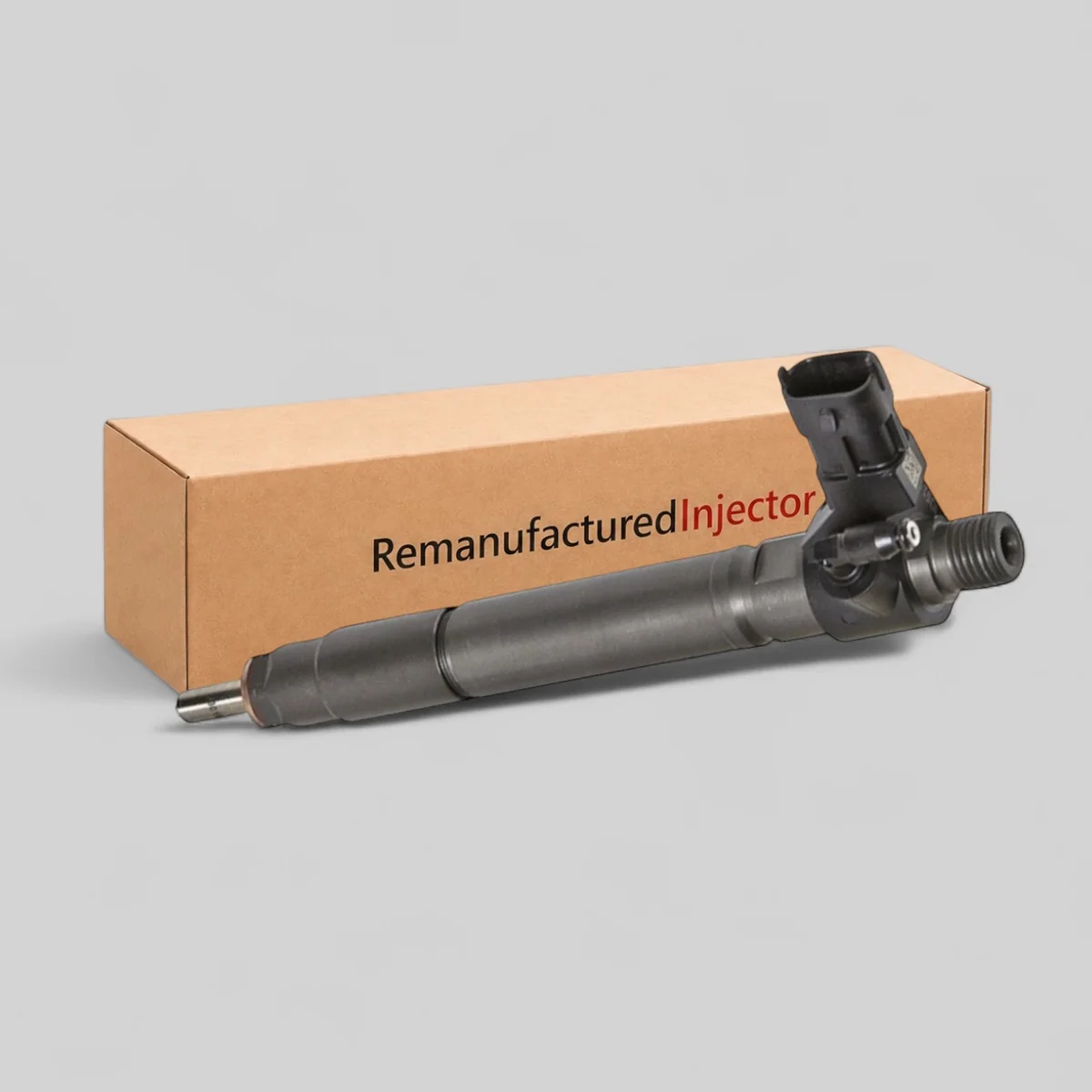
Compatible Remanufactured Injectors
OEM bench-tested injectors for engines affected by P0193 — verified pricing, 12-month warranty, free UK delivery.
Compatible Injector Part Numbers
6 injectors compatible with engines affected by P0193.
Cross Reference Numbers
OEM and alternative part numbers for injectors affected by P0193.
Affected Vehicle & Engine Combinations
Trusted Injector Families for These Engines
Verified remanufactured injector families fitted to engines documented to log P0193.
Need a Replacement Injector?
UK-tested remanufactured injectors with 12-month warranty. Search by engine code or vehicle registration.
Need it fast? Same-day dispatch on in-stock injectors.
Order before 2pm for next working day delivery (UK mainland). Call us on 020 3355 6581.
Engine-Specific Guides
Frequently Asked Questions
Explore Related Content
- Diesel Injector Failure Symptoms: 9 Warning Signs You S...
- Diesel Engine Misfire Causes: Injector Faults & Diagnos...
- White Smoke from Diesel Engine: Causes, Injector Faults...
- Hard Starting Diesel in Cold Weather: Causes, Diagnosis...
- Car Shaking at Idle (Diesel): Injector & Engine Vibrati...
- Diesel Injector Leak-Off Test: Step-by-Step Guide for A...
- Injector Coding After Replacement: Complete Guide by Ve...
- How to Remove and Replace Diesel Injectors: Complete Wo...
Keep Exploring
Fault Codes
Why It Happens
Common-rail injectors live at extreme pressures with clearances measured in microns. Fuel quality, heat cycles and mileage wear the internal control valve and nozzle: back-leak rises, spray patterns deteriorate and delivery drifts from calibration. Most 'engine' complaints on high-mileage diesels trace back to this gradual injector wear.
Professional Diagnosis
Workshops follow a fixed order: scan for codes and freeze-frame data, compare requested vs actual rail pressure on live data, read cylinder balance corrections, then run a comparative leak-off test. That sequence identifies the faulty injector without guesswork — and prevents needlessly replacing pumps, sensors or the wrong injector.
Typical Workshop Findings
The most frequent findings are: one injector returning several times the leak-off volume of its neighbours; carbon build-up from a failed copper washer; corroded injector connectors; and missing injector coding after a previous repair. Genuine high-pressure pump failures are rarer than back-leak faults that mimic them.
When to Replace Injectors
Replace when testing proves internal wear: leak-off clearly above the other injectors, balance corrections at their limits, or a failed bench test. Cleaning and additives cannot restore worn internal clearances. Bench-tested remanufactured injectors restore original calibration at a fraction of the new price — always coded to the ECU where the engine requires it.
Need help finding the right injector?
Search by part number, OE reference or vehicle registration.
Find My Injector →Know your engine code?
Browse tested injectors for your exact engine.
Search by Engine →Need a diagnosis?
Match your symptoms to the likely injector fault.
See Symptoms →Need Help With P0193?
Our diesel specialists can help diagnose the issue and find the right injector.