Common B47 Injector Failure Symptoms
B47 injectors fail in a recognisable pattern. The most common is a single-cylinder ticking knock that becomes louder as the engine warms — the classic late-cycle nozzle wear signature. The second is hard hot-restart after the engine has been left to soak: the injector seat is the leak path. The third is BMW-specific repeated DPF over-fuelling and forced regeneration intervals shrinking from ~600 miles down to under 200, often paired with the dashboard 'Drive Carefully' message. The fourth is a smooth but measurably worsening MPG without any MIL — quietly losing 8–15 mpg over a few thousand miles.
On B47 Euro 6, suspect the injector before the EGR cooler or the Adblue dosing unit when those four symptoms appear together. Live data from ISTA / ISTA-D will show cylinder fuel-trim deviation and rail-pressure regulator duty cycle that quickly isolates the failed unit.
BMW B47 Engine — Quick Reference
The B47 succeeded the N47 from 2014 (Euro 5 → Euro 6 transition) and is fitted across the 1-Series F20/F21, 2-Series F22/F23 and F45/F46, 3-Series F30/F31/F34/G20, 4-Series F32/F33/F36, 5-Series F10/G30/G31, X1 F48, X2 F39, X3 F25/G01, X4 F26/G02, and into the Mini Countryman F60 with the SD-coded 'BMW Group 2.0d' variant. It also powers the BMW i Performance plug-in hybrids in their diesel-electric form.
The most visible difference vs the older N47 is the timing-chain rear position and the high-pressure pump's revised mounting. The CRI Bosch injector platform stayed in family — but the B47 calibration runs higher rail pressures (up to ~2,000 bar) and has tighter pilot-injection timing windows. That makes injector wear more punishing on cylinder balance than it was on the N47.
Bosch CRI Common-Rail Platform on the B47
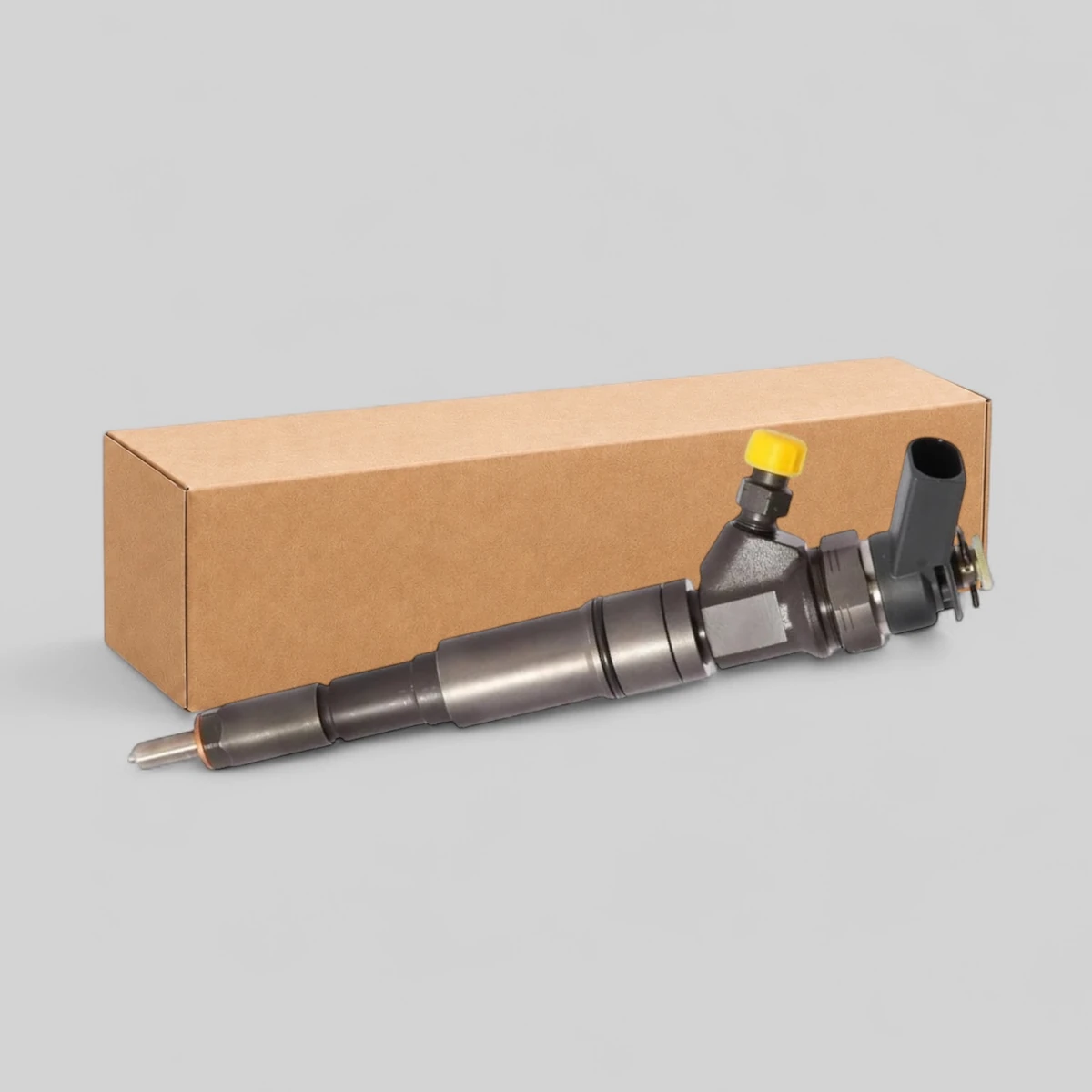
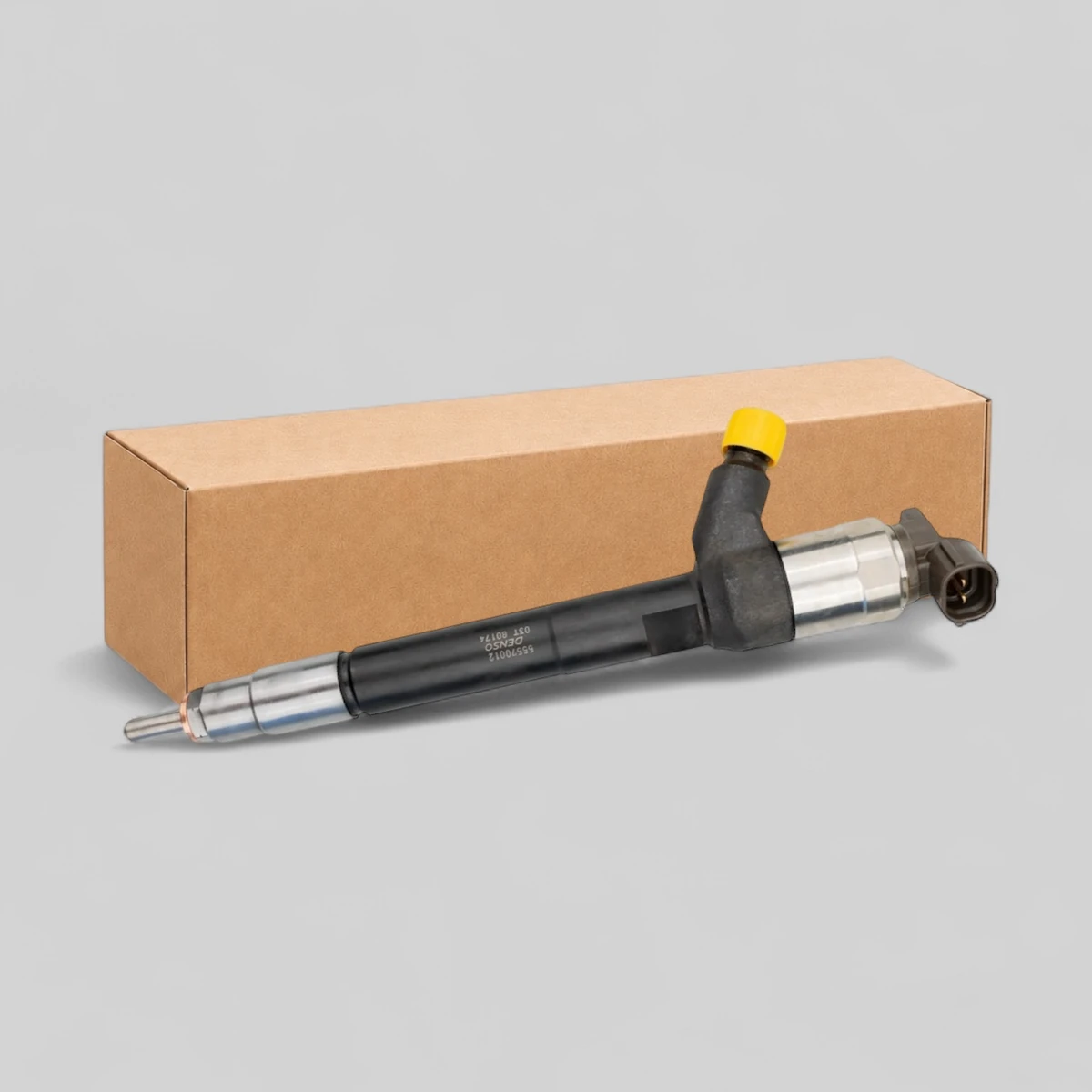
0445110613 is a Bosch CRI 2.x-generation solenoid injector. The body is shared with several Bosch 2.0-litre supply contracts including selected VW Group EA288 builds — but the bore profile, calibration map and connector keying differ between the BMW B47 fitment and the VW EA189/EA288 fitment. Always confirm the OE marking on the failed unit before substituting.
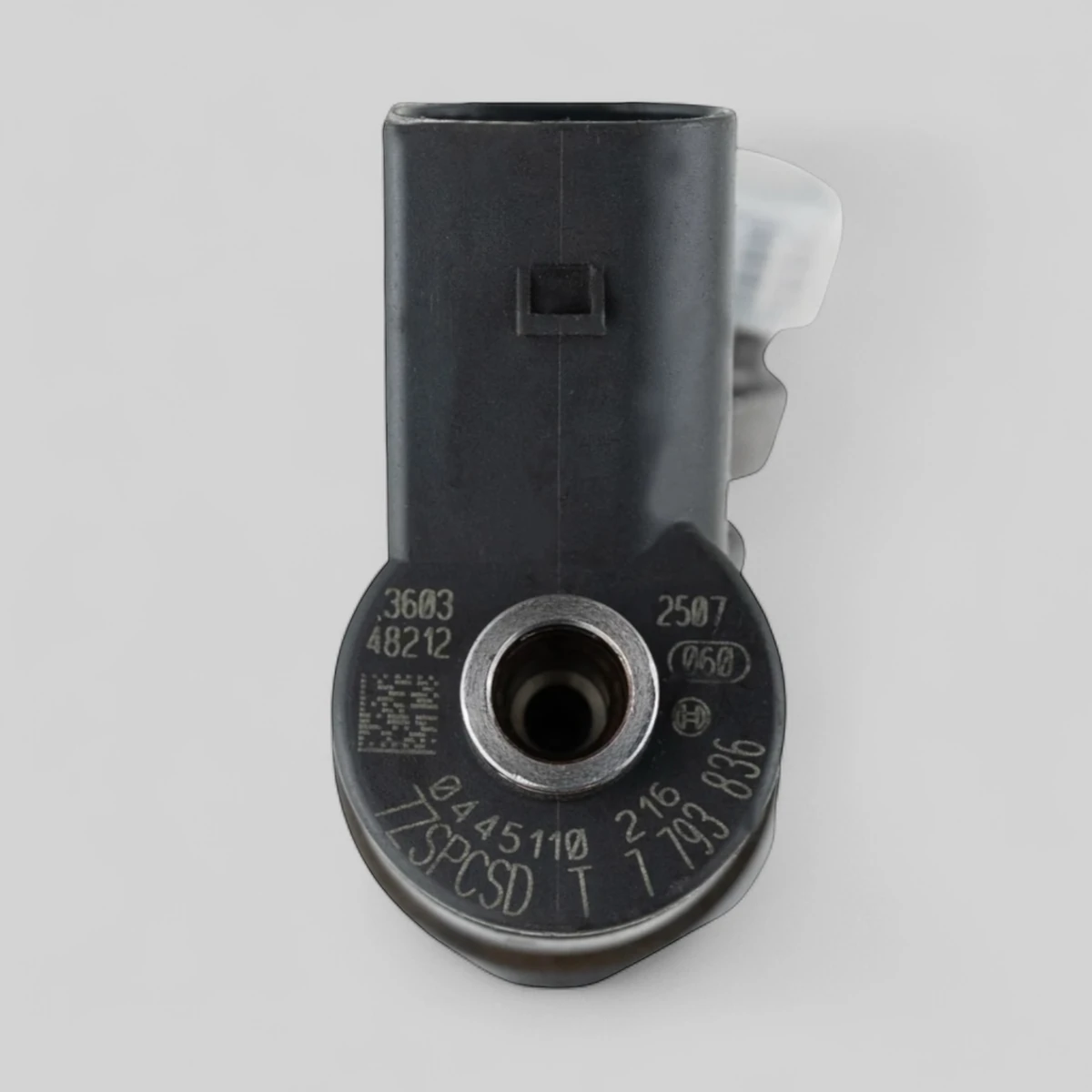
Bosch publishes individual flow-correction codes printed on each injector body. After fitting, the seven-character correction code must be written into the DDE / DME using ISTA / ISTA-D (BMW) so the ECU calibrates fuel delivery against the new injector. Without coding, B47 will throw cylinder-balance fault codes within minutes and may go straight to limp.
Rough Idle, Injector Knock and Smoke on the B47
On a B47 with a single failed injector, the rough idle is usually one cylinder and gets worse as the engine warms because the failing nozzle's spray pattern degrades with thermal expansion. The knock pitch is typically a fast tick at idle, fading under load. White or grey smoke at cold start that clears within 30 seconds points at poor atomisation rather than a glow plug fault.
If you have black smoke at idle paired with rising fuel trim deviation, suspect leak-by past the injector seat — most often a copper sealing washer that has started to weep combustion gases. New copper washer + thorough seat clean is the first job, before the injector is condemned.
Leak-Off Test, Emissions and DPF Interaction
B47 injector failures very often present at the DPF first because the unburnt diesel from a failing injector saturates the trap. Repeated regen cycles raise the soot count, raise the differential pressure across the DPF, and ultimately the engine de-rates. Get the leak-off test done before throwing parts at the DPF — a single failing injector spotted on the leak-off bench saves a £1,400+ DPF replacement.
On 12V solenoid B47 injectors, healthy leak-off return volumes are tightly grouped across the four units. Any single injector returning visibly more than its neighbours is the failed one. A 'clean' leak-off does not rule out an injector with internal nozzle wear — fall back to live cylinder fuel trims on ISTA.
Hard Starting on the B47
Hard hot starts on the B47 are most often caused by injector seat leak-down — the rail loses prime overnight while the cylinders soak warm fuel through a failing seal. Cold-start hesitation that lasts more than a couple of seconds, paired with white smoke that clears, is the same root cause: poor atomisation from a worn nozzle.
Replace all four copper sealing washers as a set. Reusing washers is the single most common cause of immediate post-fit failure on B47 — even washers that look clean.
ECU Coding the New Injector — BMW B47 Specifics
After fitting a remanufactured 0445110613 (or its variants), the seven-character flow-correction code printed on the injector body must be written into the DDE / DME using ISTA / ISTA-D, ISTA+ or a comparable BMW-spec diagnostic tool. The code on the unit you are fitting must be entered — not the code from the unit you removed.
Without coding, the ECU runs the new injector against the previous unit's correction map and will trigger cylinder-balance, glow-plug-circuit and rail-pressure fault codes within the first 50–100 miles of driving. This is the most common cause of 'replaced injector but still has a fault' returns on the B47.
How Bosch B47 Injectors Are Remanufactured
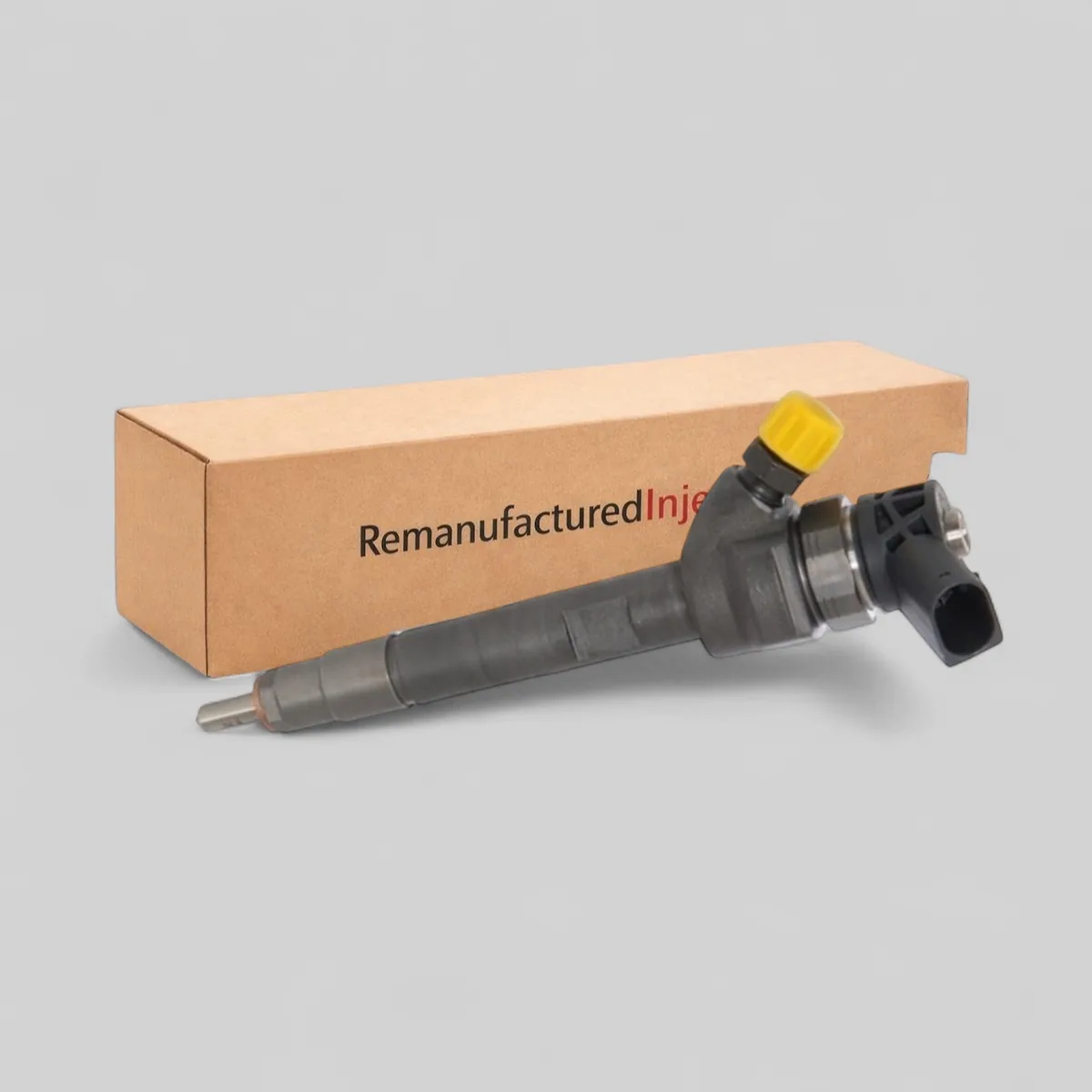
Each returned 0445110613 is fully stripped and ultrasonically cleaned. Wear at the nozzle, control valve and solenoid stack is measured against Bosch tolerances; any out-of-spec component is replaced with OE-grade parts. The unit is reassembled and bench-calibrated on a Bosch / Hartridge common-rail test bench against the original B47 map sheet, then stamped with its individual seven-character flow-correction code.
Every unit despatched is supplied with a 12-month parts warranty, a new copper sealing washer, and free UK delivery. Calibration data is retained on file for warranty validation in case of any return.