Common Rail Diesel Injectors: How They Work, Why They Fail & When to Replace Them
Find the right injector for your vehicle
- 12-Month Warranty
- OEM Tested
- Free UK Delivery
Common-rail diesel injectors are the most precise — and most failure-prone — component in a modern diesel fuel system. When one starts to go, the whole engine feels it: rough idle, hard starting, smoke, a flat spot under load. This guide explains, in plain workshop terms, how a common-rail injector actually works, why it fails, how to confirm the fault before you condemn a unit, and when replacement is the sensible call. It's written for mechanics, garages and owners who want to get the diagnosis right first time.
How a common-rail injector works
On a common-rail system the high-pressure pump charges a single fuel rail (the "common rail") shared by every injector, holding it at a constant, very high pressure regardless of engine speed. Modern systems run anywhere from around 1,600 bar on older units to well over 2,000 bar on the latest engines. That stored pressure is what lets the ECU fire each injector independently, multiple times per combustion cycle — pilot, main and post injections — for quieter running and cleaner emissions.
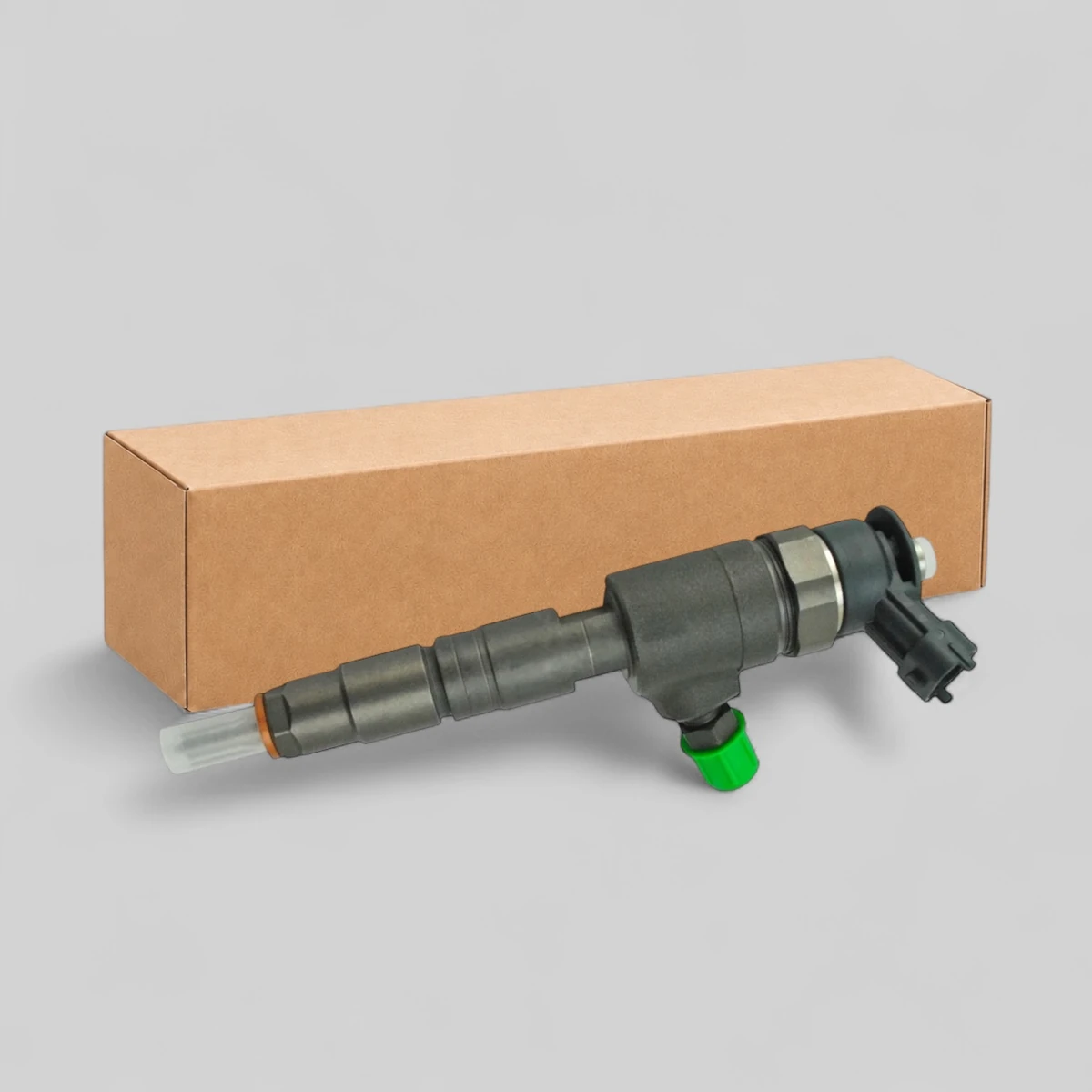
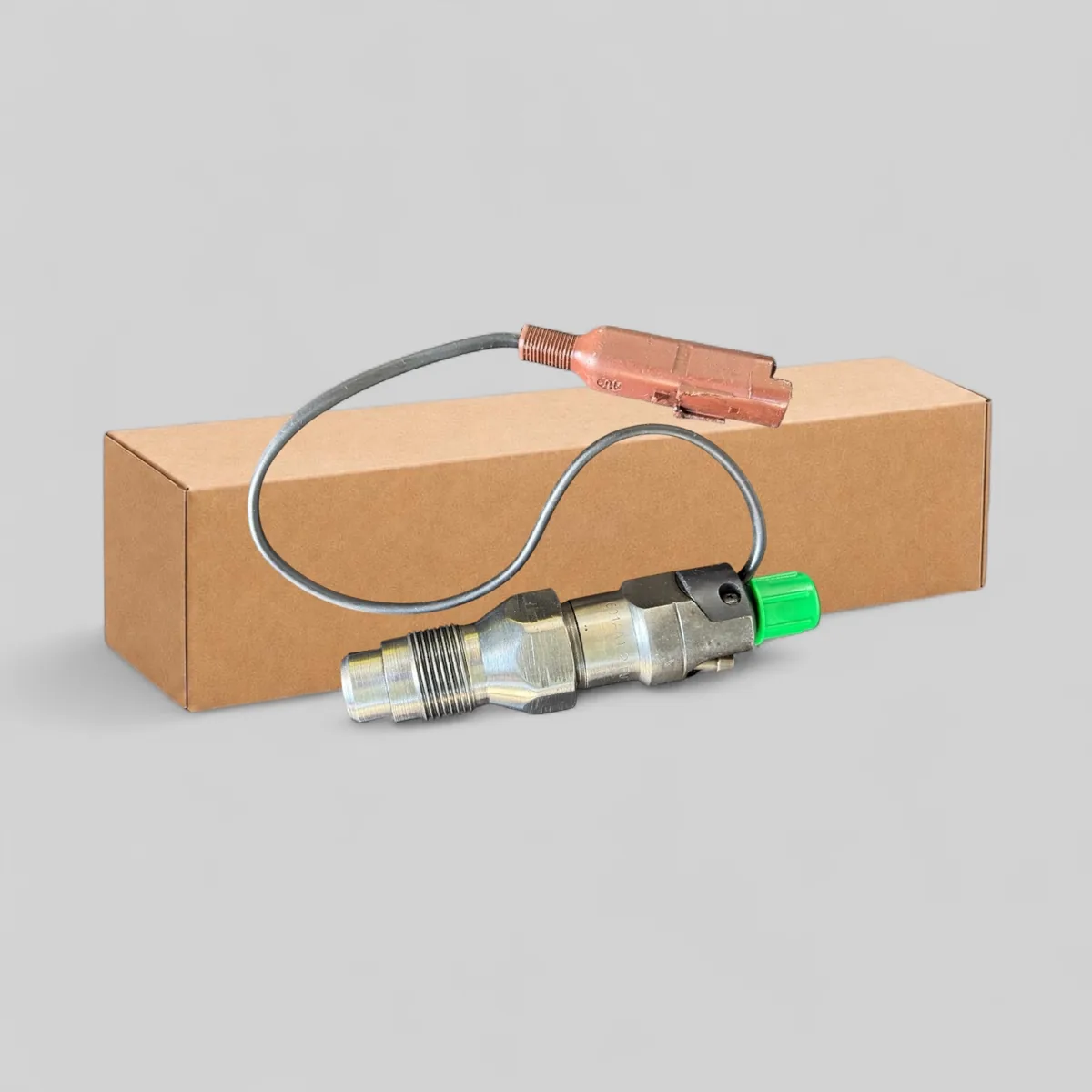
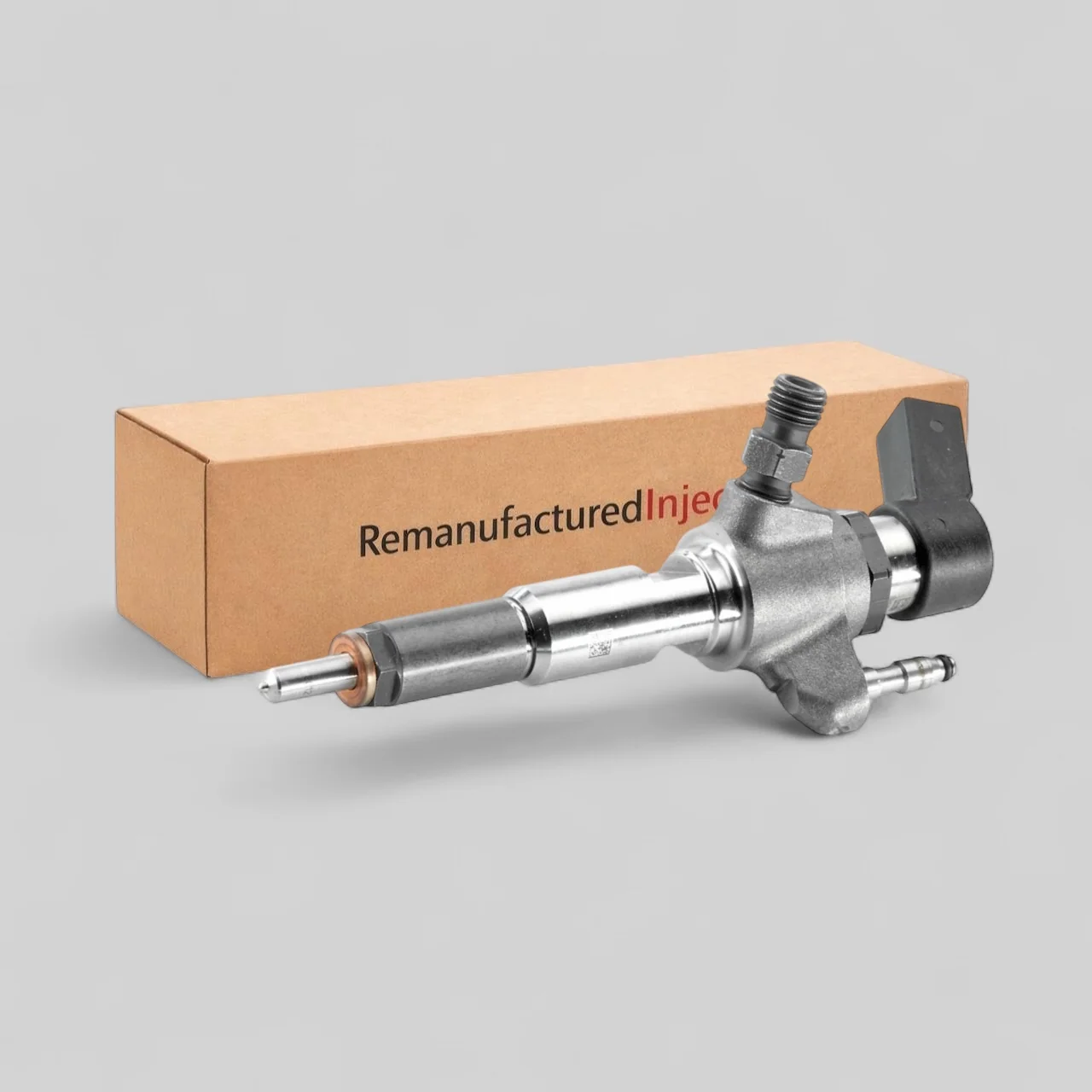
Inside the injector, fuel at rail pressure sits above the nozzle waiting to be released. The injector doesn't simply open against that pressure directly; it uses a control valve (a solenoid on most Bosch and Delphi units, a piezo stack on faster-acting designs) to bleed fuel out of a small control chamber above the nozzle needle. When the ECU energises the valve, the pressure above the needle drops, rail pressure lifts the needle, and fuel atomises through the nozzle holes. De-energise the valve and the needle snaps shut.
That control strategy is the key to understanding both performance and failure. The fuel used to operate the valve doesn't go into the cylinder — it returns to tank through the back-leakage (leak-off) circuit. A healthy injector returns a small, consistent amount. A worn one returns far too much, and that single fact underpins most common-rail diagnostics.
Why the rail pressure and the injector depend on each other
Because every injector draws from the same rail, a fault in one unit affects all of them. If one injector leaks internally, it bleeds rail pressure away, the pump works harder to compensate, and the other cylinders are starved during their injection events. That's why a single failing injector so often presents as a vague, whole-engine complaint rather than a neat one-cylinder misfire. Understanding the engine's common-rail layout and its expected return volumes is half the battle.
Solenoid vs piezo injectors
There are two control technologies you'll meet on the bench. Solenoid injectors, used across most Bosch and Delphi ranges, use an electromagnetic coil to lift the control valve. They're robust, well understood and the cheapest to remanufacture. Piezo injectors use a stack of crystals that change shape almost instantly when voltage is applied, giving faster, more precise valve movement and the ability to run more injection events per cycle. Piezo units deliver slightly quieter combustion and finer emissions control, but they're more sensitive to fuel contamination and more expensive to replace.
From a diagnostic point of view the logic is identical: both rely on the control-valve-and-back-leakage principle, and both are judged by their return volume and spray quality. Knowing which type you're dealing with mainly matters for the coding procedure and the replacement cost — not for how you find the fault.
Pilot, main and post injections
One of the biggest advantages of common rail is that the ECU can fire each injector several times in a single combustion cycle. A small pilot injection warms the cylinder and softens the pressure rise, which is what makes a modern diesel so much quieter than an old mechanical engine. The main injection does the work, and one or more post injections help drive the diesel particulate filter (DPF) regeneration and clean up emissions.
This matters when you're diagnosing, because a worn injector with a poor spray pattern upsets every one of those events. The pilot becomes inconsistent, so you get a cold-start rattle; the main over-fuels, so you get smoke and a knock; and the post injection can wash the bores or load the DPF, which then throws its own set of symptoms. A single tired injector can therefore generate a confusing spread of fault codes that look like several unrelated problems.
Why clean fuel matters more than anything
If there's one message to take away, it's this: clean fuel and a fresh filter do more to protect injectors than anything else you can fit. At well over 1,600 bar, even microscopic dirt and water act like grinding paste on the valve and needle. A fuel filter that's left in past its service interval, or a tank that's picked up water, will quietly wear a whole set of injectors and then take out a replacement just as fast if the cause isn't fixed.
Before you fit any new or remanufactured unit, change the fuel filter, check for water in the system, and where contamination is suspected, flush the lines and tank. It's the cheapest insurance there is, and it's the difference between a repair that lasts and a comeback. We see far more injectors killed by neglected filters than by genuine end-of-life wear.
Why common-rail injectors fail
Injectors fail for a handful of well-understood reasons, and most trace back to the two enemies of fine-tolerance hydraulics: wear and contamination.
- Nozzle wear and coking. The needle and seat operate at huge pressures and temperatures. Over high mileage the seat wears and the spray holes erode or coke up, ruining the spray pattern. The result is poor atomisation, over-fuelling, smoke and a knock.
- Excessive back-leakage. The internal sealing surfaces that meter the control fuel wear, so the injector returns far more fuel than it should. Rail pressure suffers and the engine struggles, especially warm.
- Contaminated or poor-quality fuel. Water and dirt are abrasive at these pressures. They score the valve and needle, cause sticking, and are the single most common reason a set of injectors fails early. A neglected fuel filter is often the real culprit.
- Electrical faults. Solenoid windings can go open or short circuit; piezo stacks can lose capacity. These usually log a fault code for the specific cylinder.
- Deposits from short journeys. Lots of short, cold runs let deposits build on the nozzle tip, upsetting the spray long before the unit is mechanically worn out.
Symptoms of a failing injector
The pattern is consistent across most common-rail diesels, whether it's a BMW, a Mercedes or a Ford:
- Rough or lumpy idle, sometimes with a distinct knock from one cylinder
- Hard starting — particularly when warm — or extended cranking
- Black or grey smoke under load and noticeably worse fuel economy
- Loss of power or the engine dropping into limp mode
- A diesel "knock" or rattle that changes with load
- Fault codes referencing a specific injector, rail pressure, or fuel metering
None of these on their own proves an injector is dead — they justify a test. Air in the fuel, a tired pump, a sticking turbo or a blocked DPF can all mimic injector symptoms, which is exactly why a structured diagnosis pays for itself.
How to diagnose injector failure properly
Don't condemn an injector on symptoms alone. Work through the data:
- Read live data and fault codes. Look at the per-cylinder fuel correction (balancing) values at idle. A cylinder demanding a large positive or negative correction is the prime suspect.
- Check rail pressure behaviour. If rail pressure is hard to build or drops under light load, you may have an injector bleeding the rail down.
- Run a back-leakage (leak-off) test. With the engine cranking or running, measure the return from each injector. One unit returning dramatically more than the others is your faulty injector. This is the most decisive bench-and-vehicle test there is.
- Confirm fuel quality. Check the filter and drain a sample. If the fuel is contaminated, replacing one injector without addressing the cause just buys you a repeat failure.
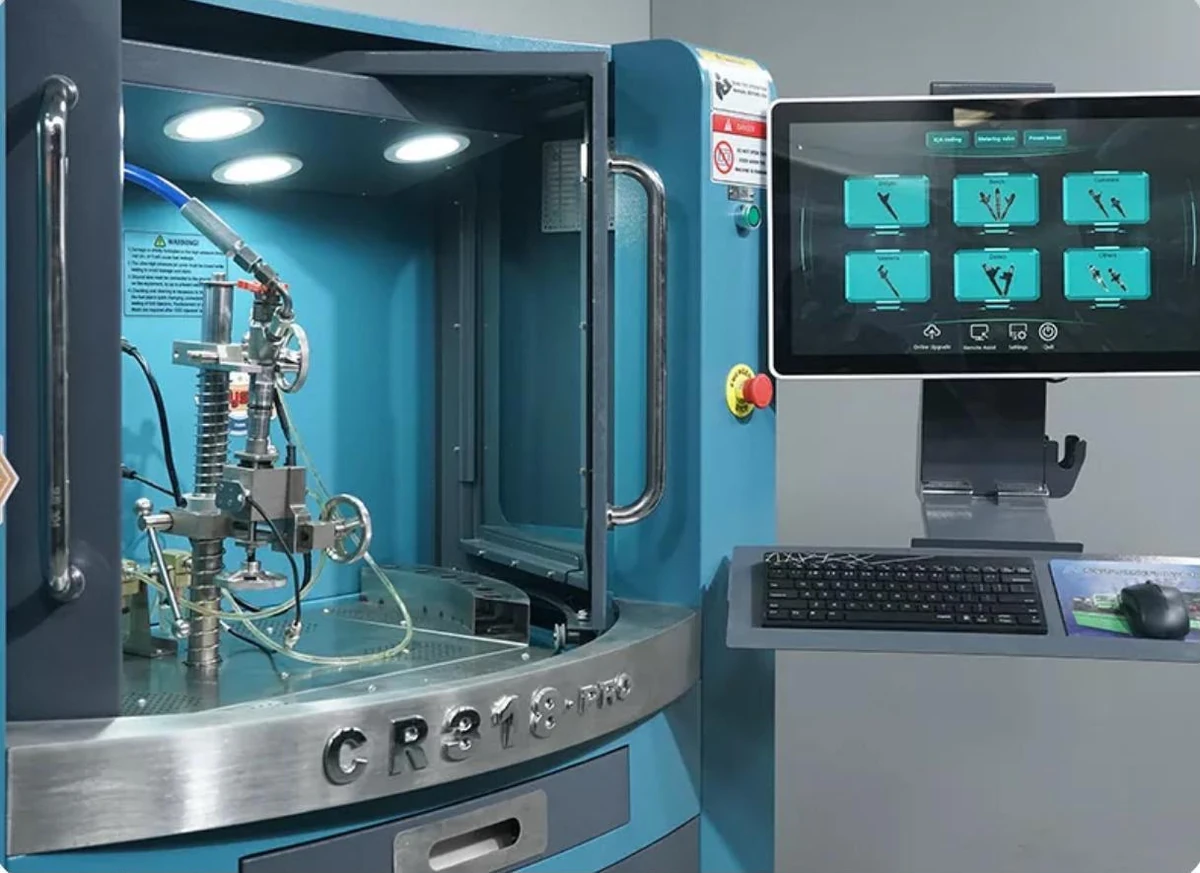
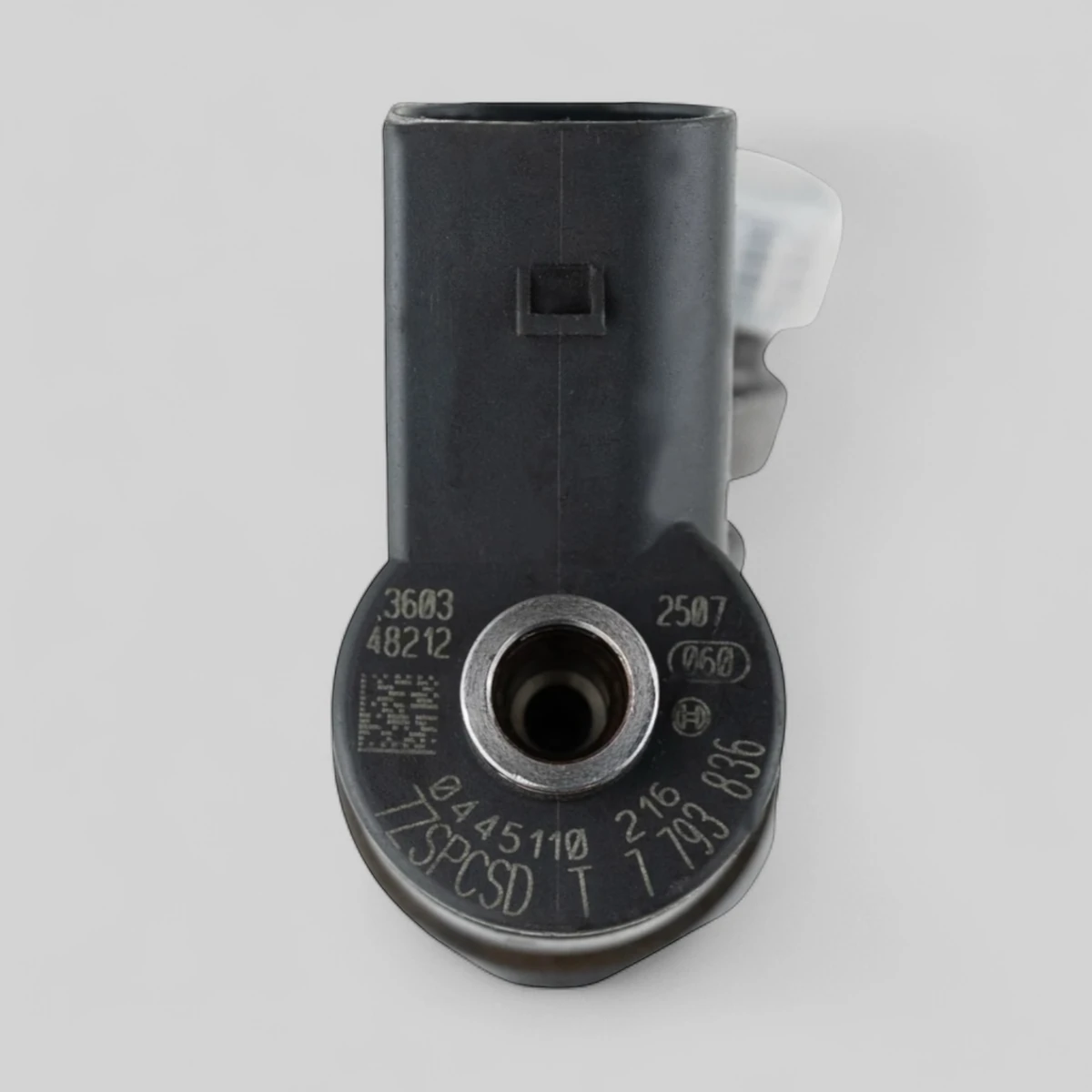
If you want a removed unit verified objectively against OEM tolerances, our workshop can test it on a calibrated common-rail bench — see the testing notes on the Bosch 0445110216 guide for how leak-off and calibration checks are run.
When to replace vs clean or repair
Light nozzle coking from short journeys can sometimes be improved with a proper clean, but once an injector has measurable nozzle wear or excessive back-leakage, cleaning won't restore it to spec — the metering surfaces are physically worn. At that point the choice is replace or remanufacture.
For a one-off electrical failure you can usually replace the single affected unit. On a high-mileage engine where contamination has taken out one injector, it's common to replace as a set, because the others have lived the same hard life and a half-measure often means a return visit. Use your leak-off and live-data results to make that call rather than guessing.
New vs remanufactured
A brand-new OEM injector gives the best peace of mind but is hard to justify on an older vehicle. A properly remanufactured injector — stripped, fitted with new wear parts and calibrated on a test bench to the manufacturer's specification — performs to the same delivery tolerances as new at a fraction of the cost, and comes with a warranty. A cheap untested used unit is a false economy: you inherit unknown wear and little protection. Whatever you fit, match the exact number etched on the injector body rather than the vehicle alone.
Coding after replacement
Most modern common-rail injectors carry a calibration (IMA / injector classification) code that tells the ECU the unit's individual flow characteristics. When you fit a new or remanufactured injector you normally need to program its calibration values to the ECU before road testing, otherwise fuelling balance and emissions will be off. Always renew copper washers and seals, torque the clamp and pipe unions to specification, and bleed the system before you start.
Real-world examples
The same principles apply right across the catalogue. A few common examples we see on the bench:
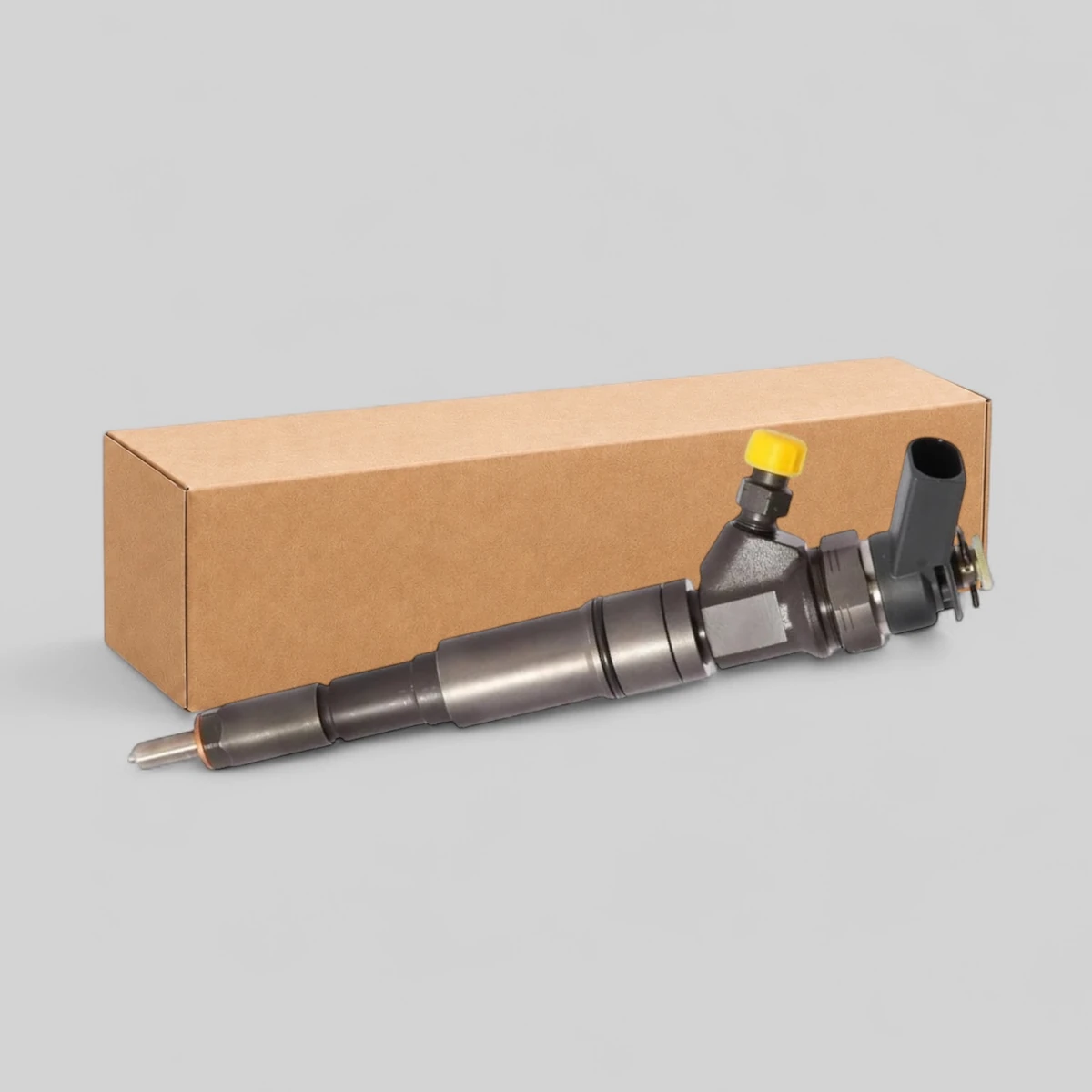
- BMW 2.0 and 3.0-litre diesels (204D4 / 306D2): typically the Bosch 0445110216 — high-mileage units usually fail on back-leakage and need coding on fitment.
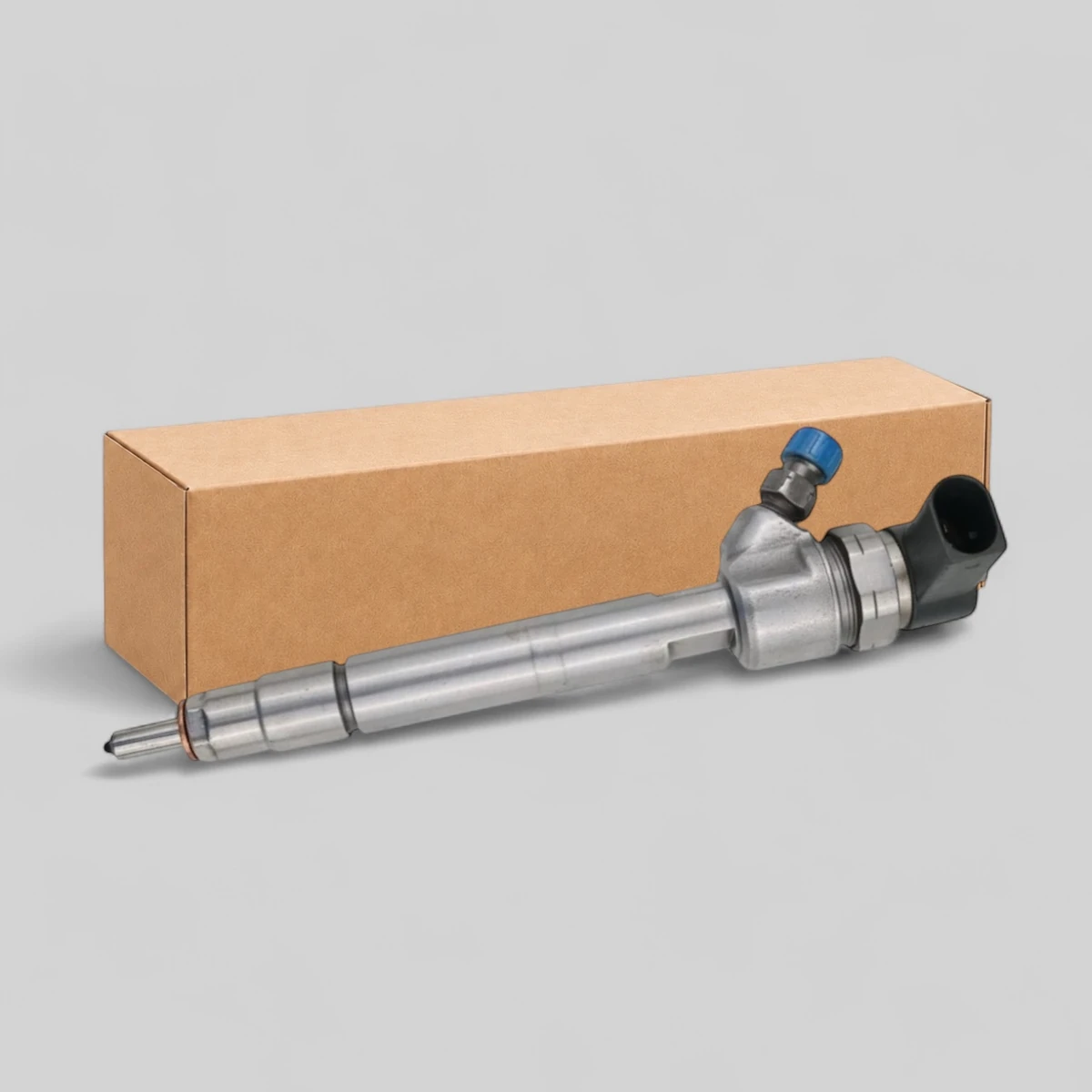
- Mercedes 2.2 CDI (OM646): the Bosch 0445110177 — nozzle wear and rough warm starting are the classic complaints. The wider Mercedes common-rail family shows similar patterns.
- Ford and PSA 1.6 HDi/TDCi: the Bosch 0445110340 — short-journey deposits and contamination dominate failures here.
- Mercedes 2.1 (OM651): the Delphi 28307309 — a reminder that Delphi units follow the same diagnostic logic as Bosch.
Browse the full range on our diesel injector pages, or start from the home page at Remanufactured Injector if you're not sure where to begin.
FAQ
What is the most common cause of common-rail injector failure?
Contaminated or poor-quality fuel, usually compounded by a neglected fuel filter. At common-rail pressures, water and dirt are abrasive and quickly score the injector's fine metering surfaces.
Can you test an injector without removing it?
Yes — live-data per-cylinder correction values and a back-leakage (leak-off) test can identify a faulty injector on the vehicle. Bench testing a removed unit then confirms it objectively against OEM tolerances.
Do I have to replace all the injectors together?
Not always. A single electrical failure can be replaced on its own, but where contamination or high mileage is the cause, many workshops replace as a set to avoid a repeat visit.
Do common-rail injectors need coding after replacement?
Usually yes. Most carry a calibration code that must be programmed to the ECU on fitment so the engine fuels each cylinder correctly.
How long should a common-rail injector last?
With clean fuel and regular filter changes, many last well over 100,000 miles. Poor fuel quality and lots of short journeys shorten that considerably.
Summary
A common-rail injector is a high-pressure, fine-tolerance hydraulic valve, and it fails through wear and contamination — not bad luck. Diagnose with live data and a leak-off test before you condemn anything, fix the fuel-quality cause, and choose a calibrated remanufactured unit with a warranty for the best value repair. Ready to find the right part? Search by registration or part number and we'll match the exact injector for your engine.
Tags
Remanufactured Injector Team
UK diesel specialists with decades of experience in fuel injection systems. We provide expert knowledge and high-quality remanufactured injectors for all makes.
Get in touch →Related Diesel Injector Solutions
Shop Remanufactured Diesel Injectors
Browse our full range with 12-month warranty
Professional Injector Testing
£20 per injector - full diagnostic report