Diesel Injector Leak Back Test: How to Find a Faulty Injector
Find the right injector for your vehicle
- 12-Month Warranty
- OEM Tested
- Free UK Delivery
The leak back test — also called the leak-off or back-leakage test — is the quickest, cheapest way to find a worn common-rail diesel injector without removing a single unit from the engine. It's the first diagnostic most workshops reach for when a diesel is hard-starting, idling roughly or losing power, and you can run it with little more than a set of test tubes and a stopwatch. This guide explains what the test measures, exactly how to perform it, and how to read the results so you don't condemn a good injector.
What the leak back test actually measures
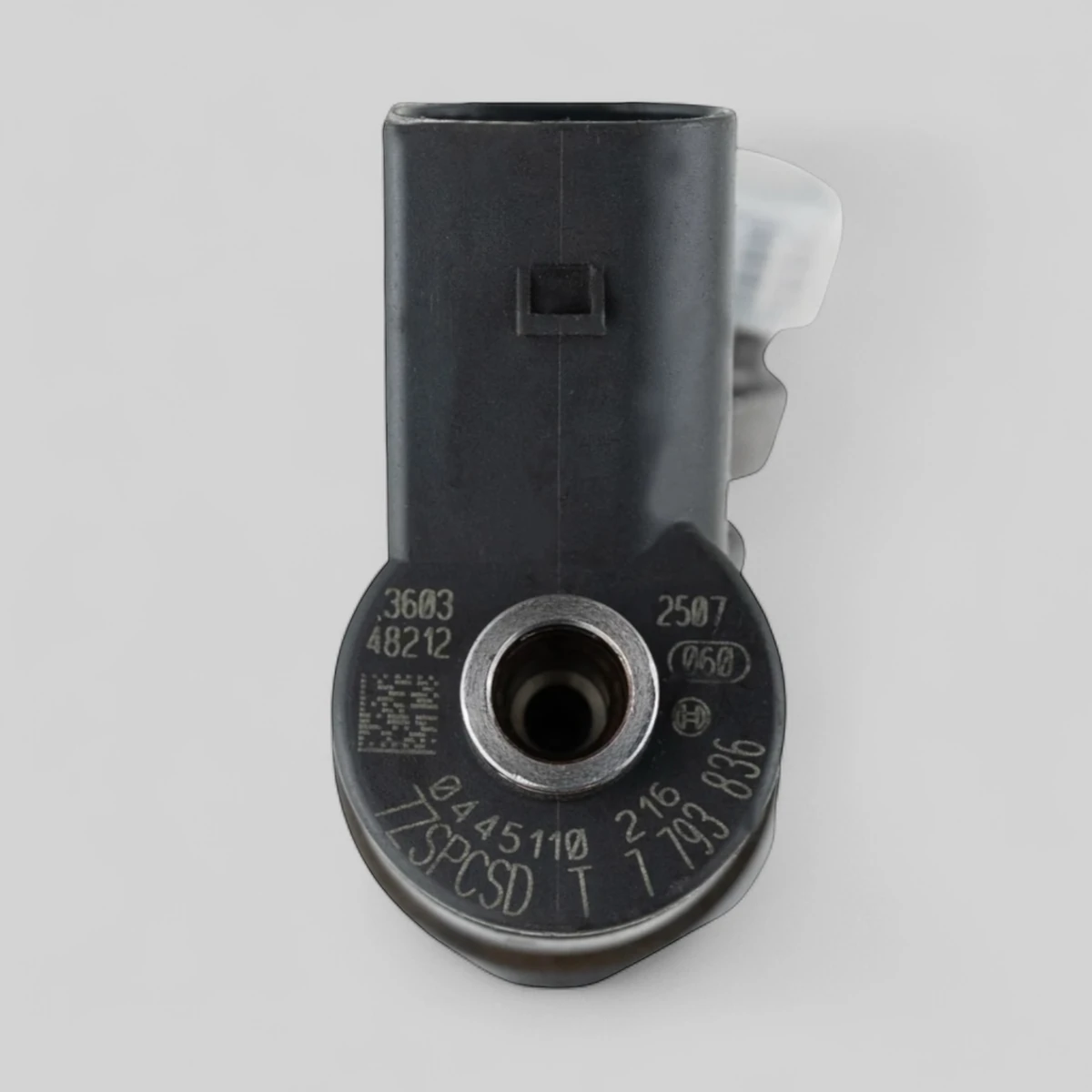
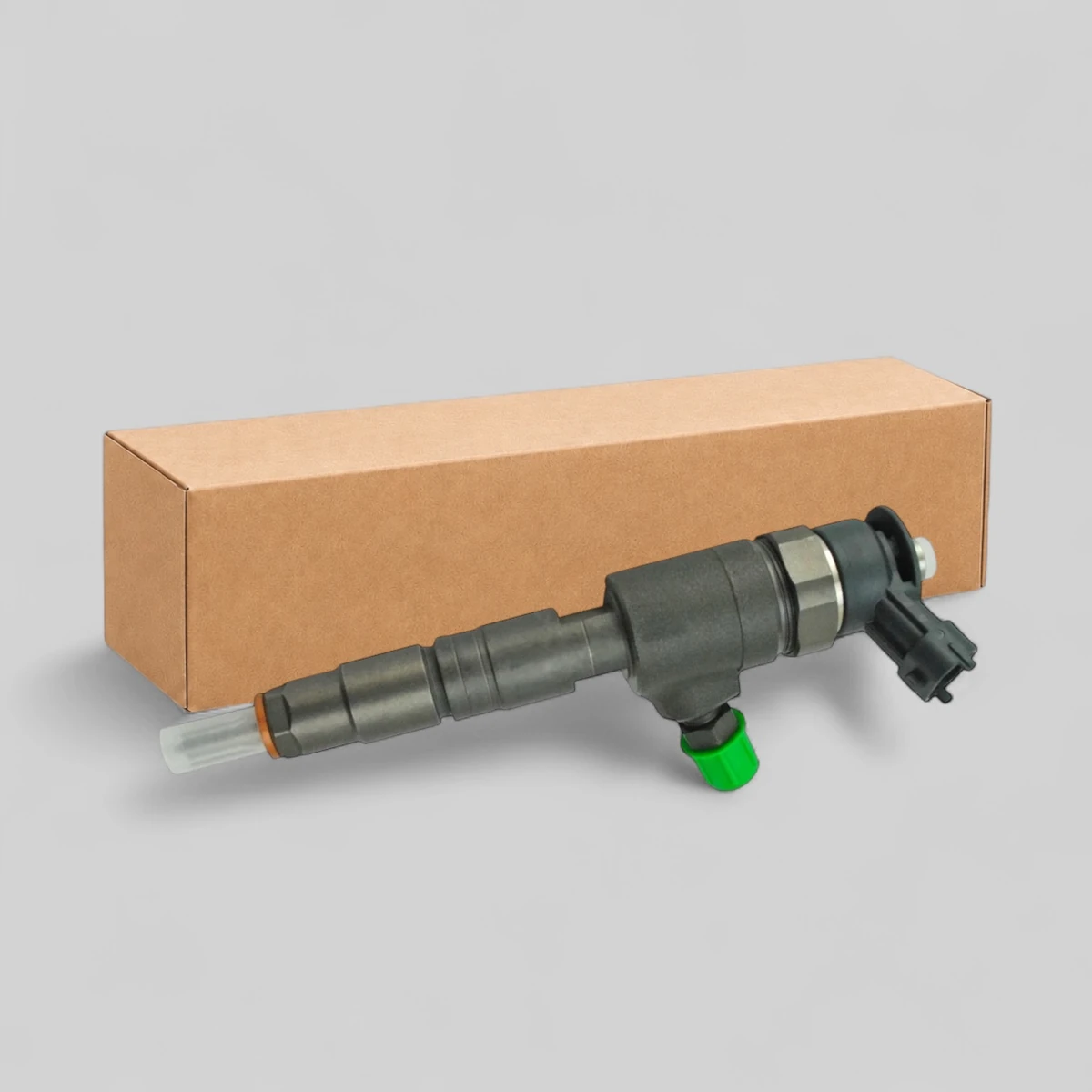
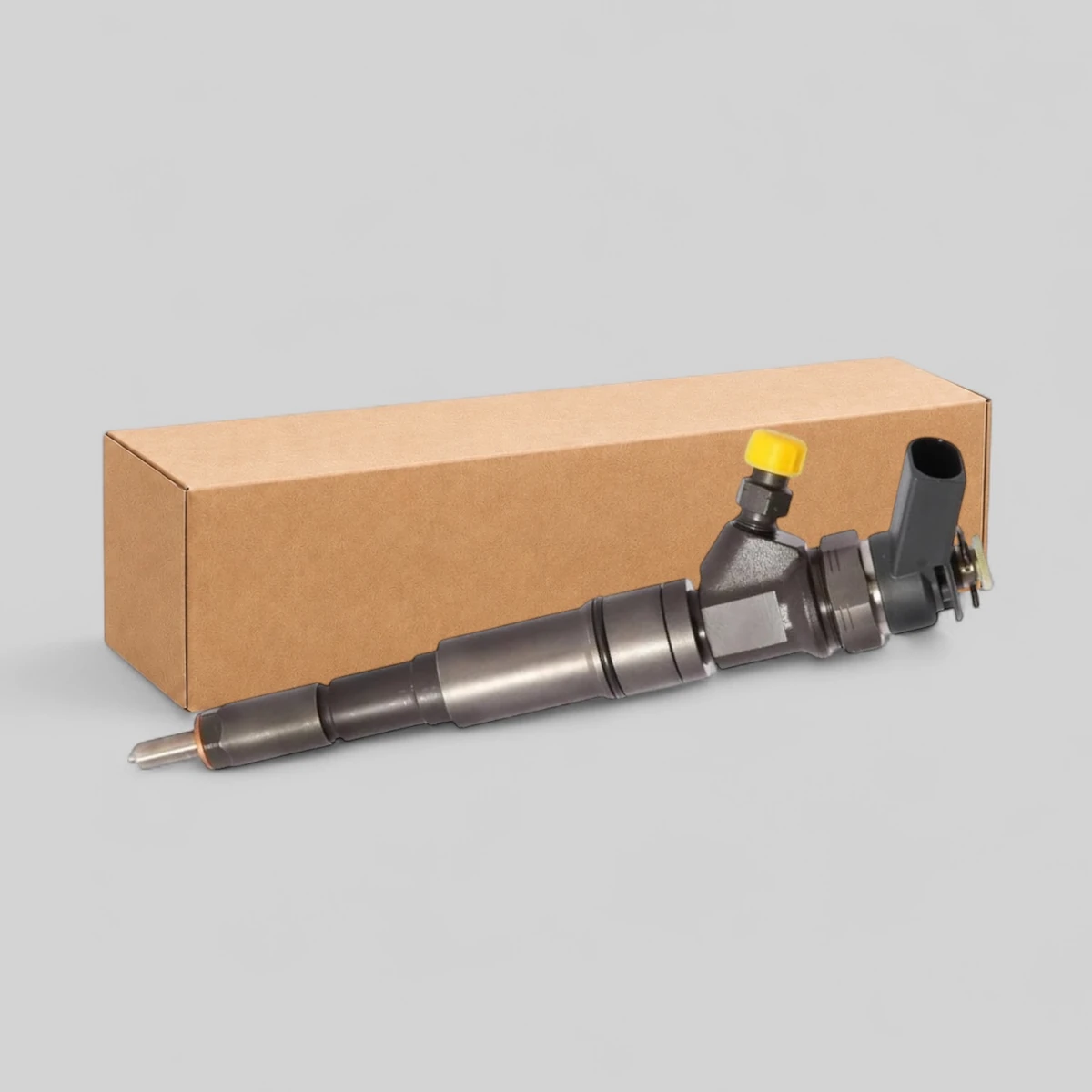
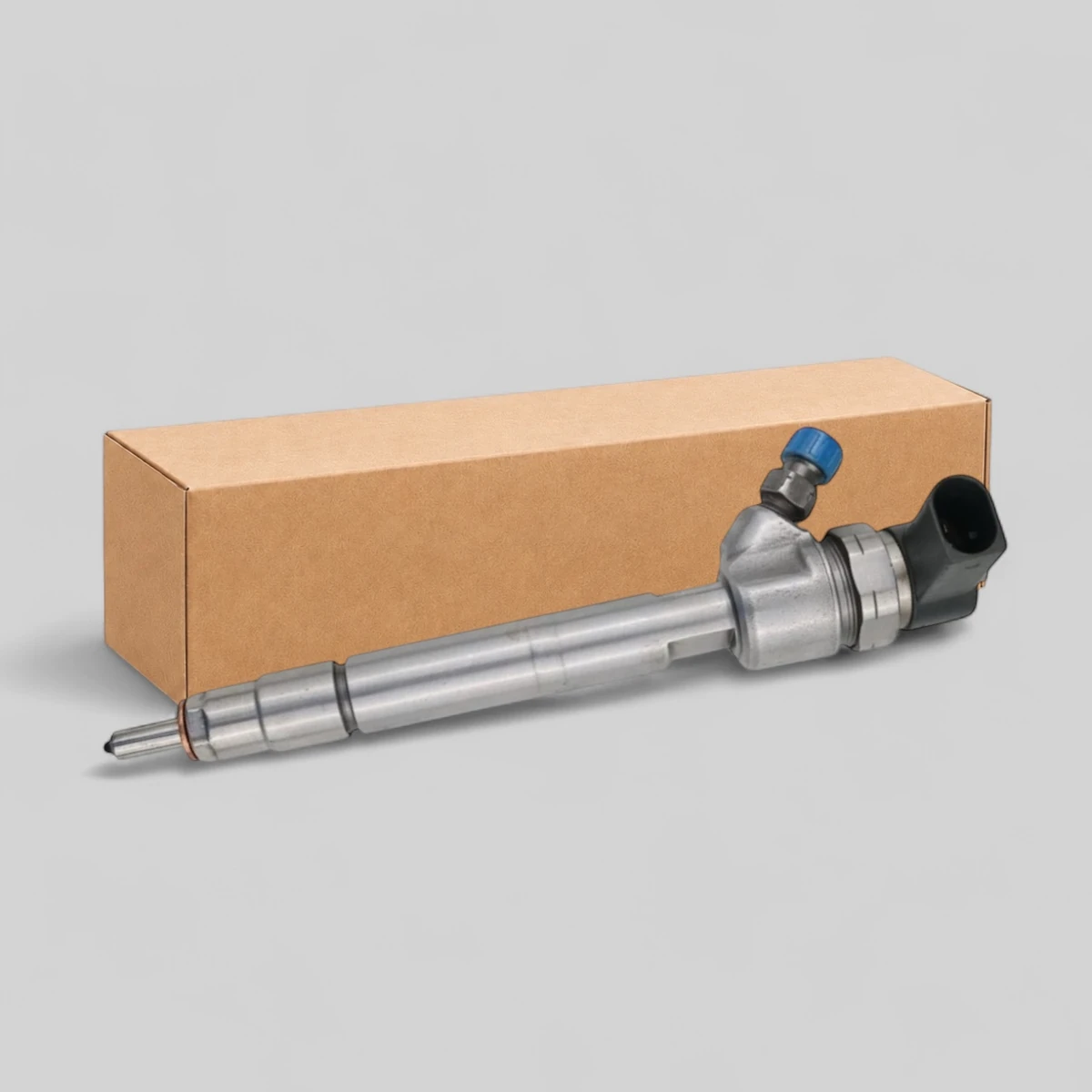
A common-rail injector is fed fuel at very high pressure. To open and close precisely, a small amount of fuel is bled off from the injector's control chamber and returned to the tank through the spill (return) rail. That returned fuel is the "leak-off". On a healthy injector the volume is small and consistent; on a worn injector — where the internal sealing surfaces, the control valve or the nozzle have eroded — the return volume climbs sharply.
By collecting and comparing the return flow from each injector while the engine runs, you can spot the odd-one-out. The injector returning far more fuel than its neighbours is almost always the one causing the misfire, knock or hard-start complaint. Crucially, the test is comparative: you're looking for an injector that's out of line with the rest, not chasing an absolute number alone.
Why injectors leak back
At rail pressures of well over 1,000 bar, fuel is abrasive. Water and dirt that get past a tired fuel filter score the fine metering surfaces inside the injector, and over high mileage the nozzle and control valve simply wear. As clearances open up, more fuel escapes to the return line instead of being injected into the cylinder. The engine compensates as best it can, but you get the classic symptoms: lumpy idle, a diesel knock from one cylinder, smoke, poor economy and difficult starting — especially when hot. We cover the underlying failure mechanism in more detail in our common-rail injector guide.
What you need
- A leak-off / back-leakage test kit — a set of graduated tubes that connect inline to each injector's return spigot (or a daisy-chain with a single measuring vessel).
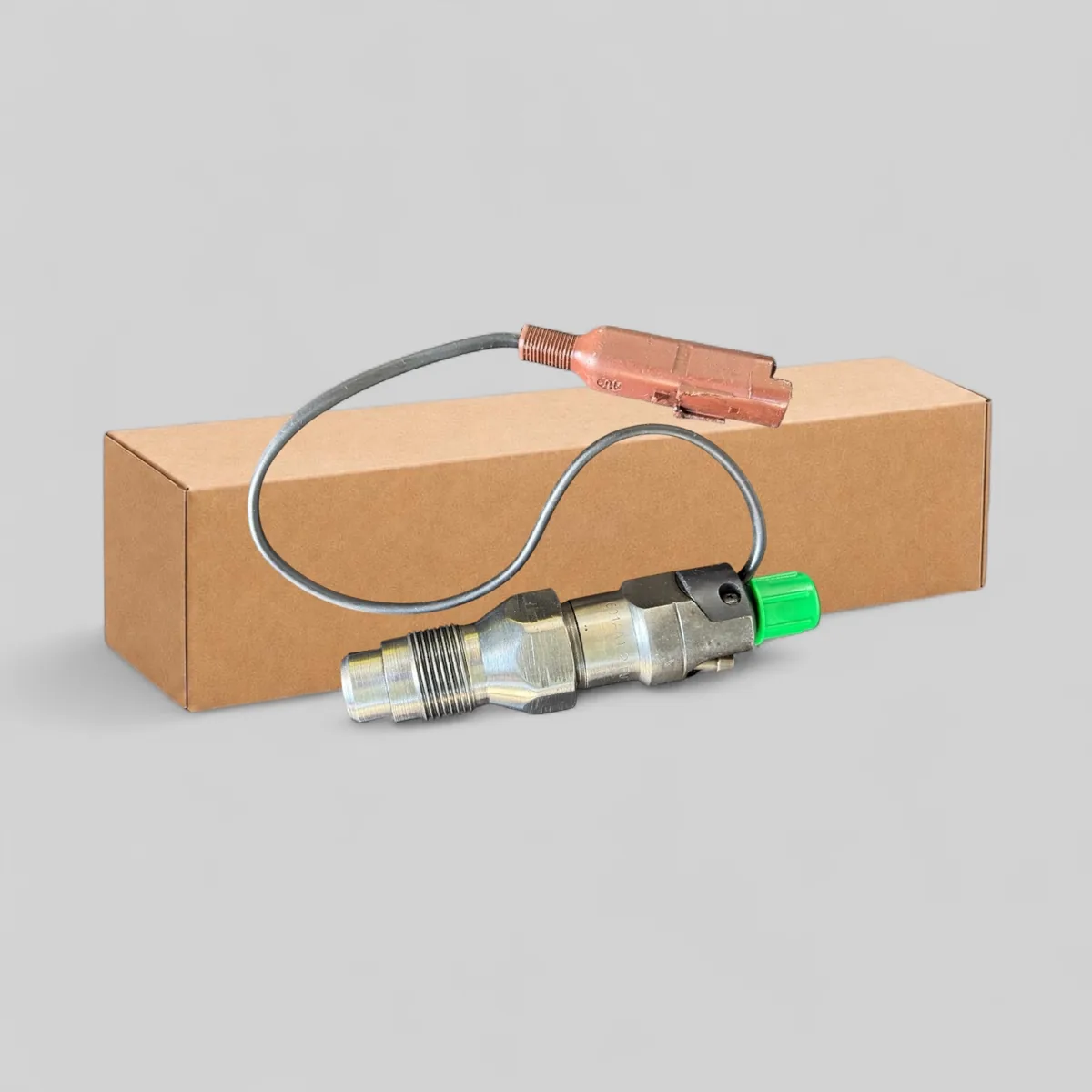
- Clean rags, a way to catch spilt diesel, and the correct return-line connectors for your injector type (Bosch, Delphi, Denso and Siemens VDO all differ).
- A stopwatch, and ideally a diagnostic tool to read live data (rail pressure, requested vs actual fuelling and any stored injector fault codes).
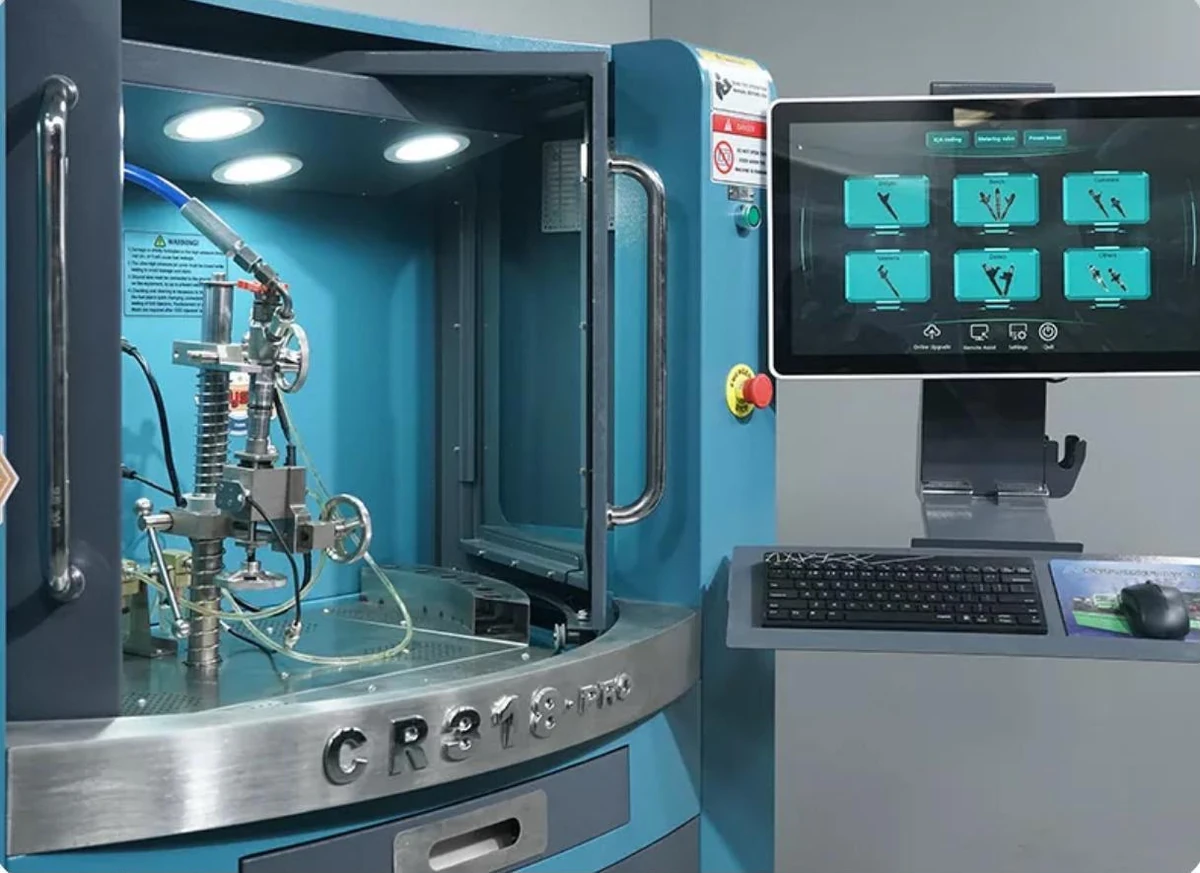
If you don't have the connectors or you want a definitive answer, a specialist can bench-test the removed injectors. See our professional injector testing service.
Step-by-step: how to run a leak back test
- Work safely. Diesel under pressure is dangerous. Let the engine cool enough to handle, keep ignition sources away, and wear eye protection.
- Disconnect the existing return lines from the injector spill spigots and fit the test tubes — one per injector, clearly numbered to match the cylinders.
- Crank/start and run the engine. Many technicians measure during a cold start (where a weak injector shows up worst) and again at a steady fast idle.
- Run for a fixed period — typically a set number of seconds of cranking, or a defined idle period — so every cylinder is measured over the same time and conditions.
- Stop and compare the fuel levels in the tubes side by side. Record the volumes against each cylinder number.
- Repeat to confirm. A single run can be skewed by trapped air; a second run that reproduces the same outlier confirms the result.
How to read the results
Line the tubes up and look at the pattern, not just the numbers:
- All tubes roughly equal and low: the injectors are sealing well. If you still have a fault, look elsewhere — fuel supply, the high-pressure pump, compression or glow plugs.
- One tube dramatically higher than the rest: that injector is leaking back excessively and is the prime suspect. This is the textbook result.
- One tube almost empty while others fill: can indicate a blocked return or a seized internal valve on that unit — still a fault, just a different failure mode.
- All tubes high: either the whole set is worn (common at very high mileage) or rail pressure/supply is abnormal — check live data before condemning every injector.
Always cross-check against manufacturer return-volume figures where you have them, and back the result up with live data. The leak back test narrows the field fast, but confirming with rail-pressure and fuelling data stops you replacing a healthy unit.
Common mistakes that give false readings
- Air in the test tubes — not bleeding the lines first can throw a reading. Always run twice.
- Unequal test conditions — measuring one cylinder cold and another hot, or for different durations, ruins the comparison.
- Wrong connectors — a poor seal on the return spigot leaks externally and looks like back-leakage.
- Condemning on one run — a single anomalous result should always be reproduced before you spend money.
What to do once you've found the culprit
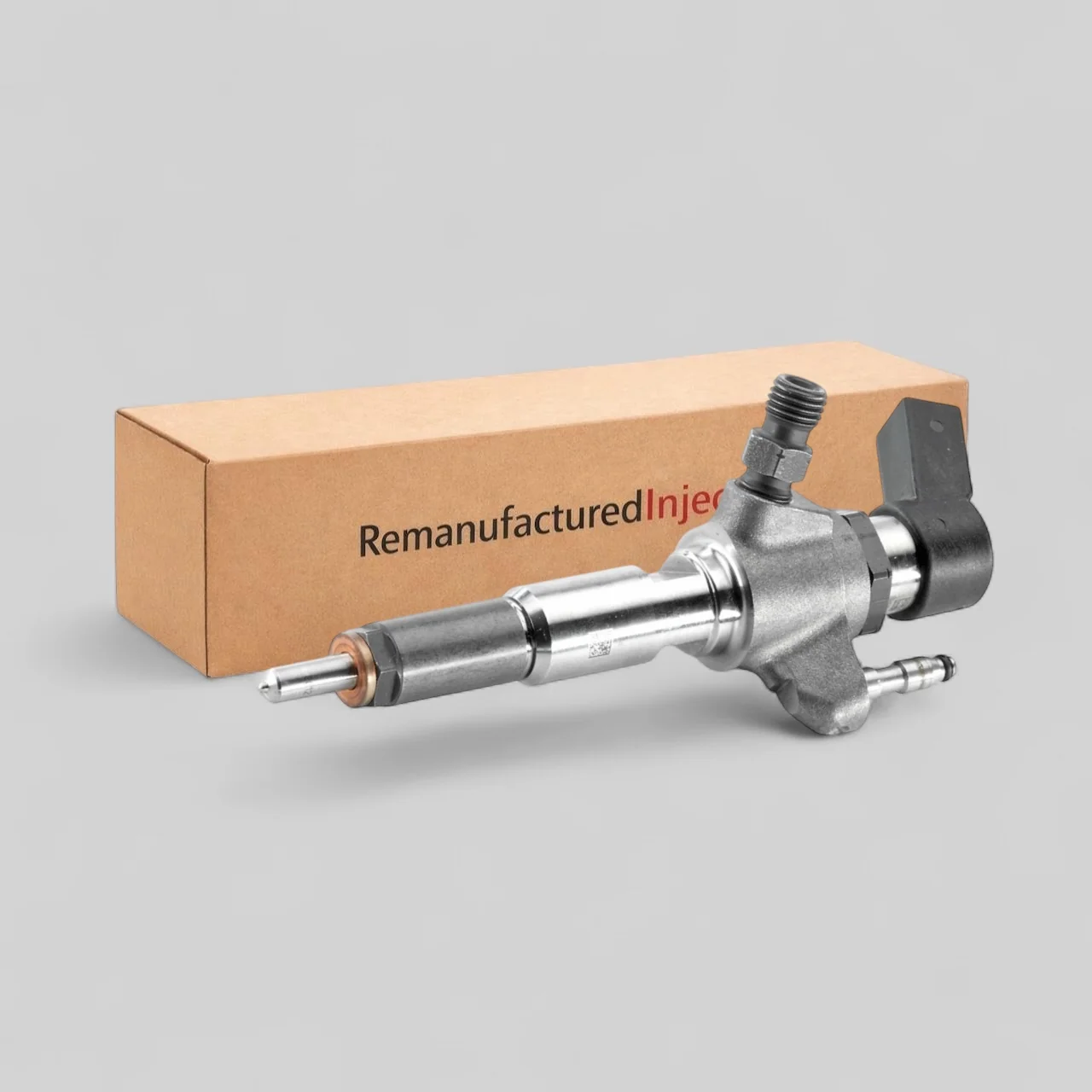
Once a leaking injector is confirmed, the decision is repair or replace. Reconditioning your own units means downtime while they're rebuilt and tested. For most garages and owners a ready-to-fit remanufactured injector is faster and more predictable, because it arrives calibrated to OEM specification with a fresh test sheet and a warranty. If you're weighing up your options, our remanufactured injector buyer's guide explains what to check before ordering.
Two things keep the repair sound: renew the copper washers and seals on fitment, and have the new injector's calibration code programmed to the ECU so the engine balances fuelling across all cylinders. And fix the cause — renew the fuel filter and check for water ingress — or the new unit will wear the same way.
Found a leaking injector?
Get an OEM-calibrated, bench-tested remanufactured injector with a 12-month warranty and free UK delivery. Search by registration or part number and we'll match the exact unit for your engine, or browse our diesel injector range.
Frequently asked questions
What is a diesel injector leak back test?
It's a comparative test that measures how much fuel each injector returns to the tank (the "leak-off") while the engine runs. The injector returning far more fuel than the others is usually the faulty one. It's a fast, non-destructive way to find a worn common-rail injector without removing them.
How much leak-off is too much?
There's no single universal figure — it varies by injector type and manufacturer — so the test is comparative. Look for the cylinder that returns significantly more (or far less) fuel than its neighbours, then confirm against the manufacturer's return-volume spec and live data before condemning a unit.
Can I do a leak back test myself?
Yes, with an inexpensive leak-off test kit and the correct return connectors for your injector type, it's well within DIY reach. Run it twice under identical conditions to rule out trapped air, and back it up with live data if you can.
Will a leak back test always find the fault?
It reliably catches excessive internal leakage, which is the most common wear-out failure. It won't catch every fault — a blocked nozzle or an electrical issue may need live data, fault-code reading or a full bench test to confirm.
Tags
Remanufactured Injector Team
UK diesel specialists with decades of experience in fuel injection systems. We provide expert knowledge and high-quality remanufactured injectors for all makes.
Get in touch →Related Diesel Injector Solutions
Shop Remanufactured Diesel Injectors
Browse our full range with 12-month warranty
Professional Injector Testing
£20 per injector - full diagnostic report