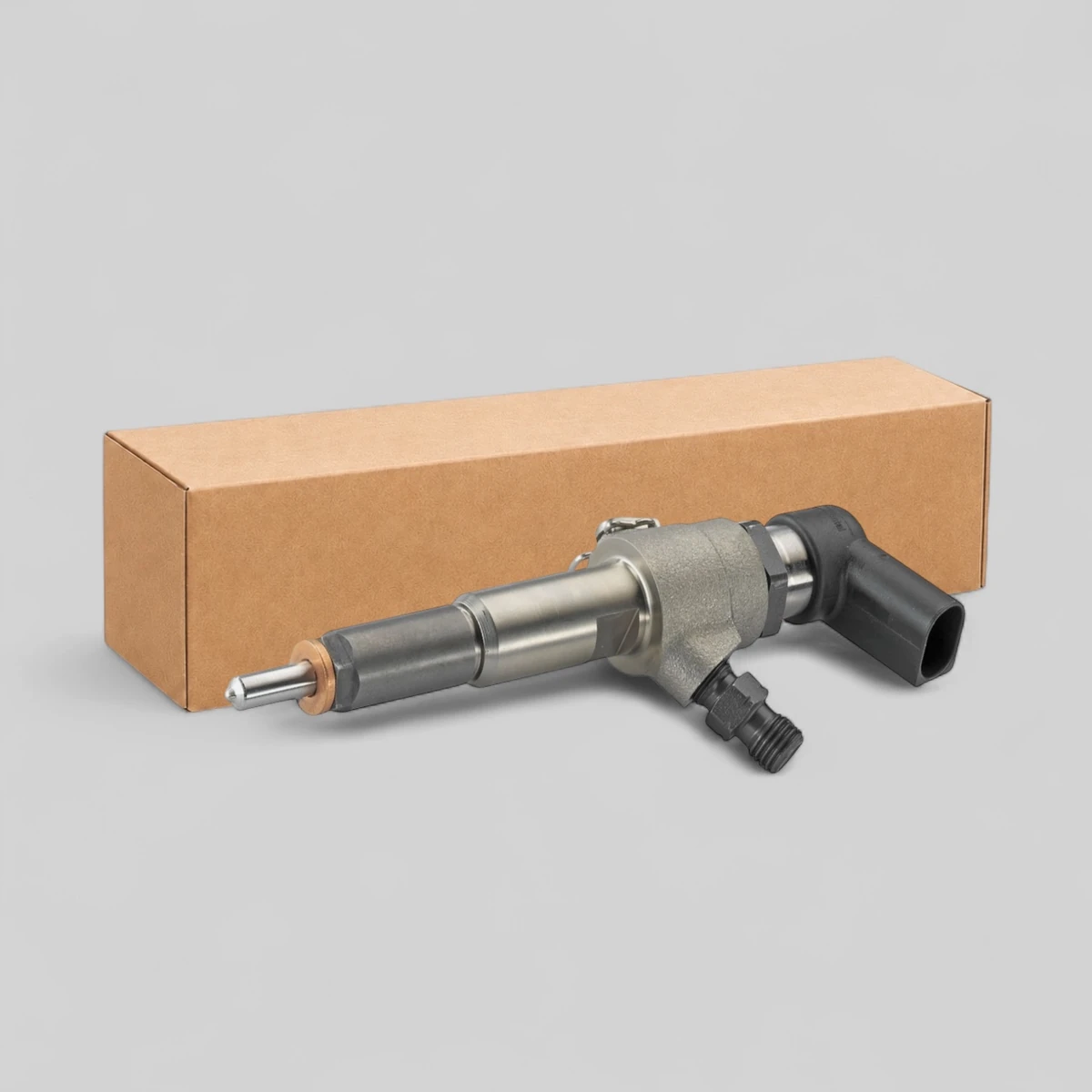
How a Failing M9T Injector Presents on a Master / NV400 / Movano
On a fleet Master, NV400 or Movano-B, the first symptom of a failing M9T injector is almost always a hesitation pulling away from cold — the driver describes it as 'dead pedal' for the first half-mile, clearing once the coolant gauge moves. The second signature is white smoke under load when fully loaded above 60 mph — atomisation has degraded enough to dump unburnt diesel through the DPF. The third, and most expensive, is repeat DPF differential-pressure faults that get cleared at the dealer and return within three weeks of normal use.
Live-data review on Renault Clip / Renault Reprog / CAN Clip will reveal cylinder fuel-trim deviation and rail-pressure regulator duty cycle. On a single-injector M9T failure, expect to see one cylinder's correction value running at -3,000 to -5,000 mg/cycle while the other three sit within ±500 — that one cylinder is the unit to replace.
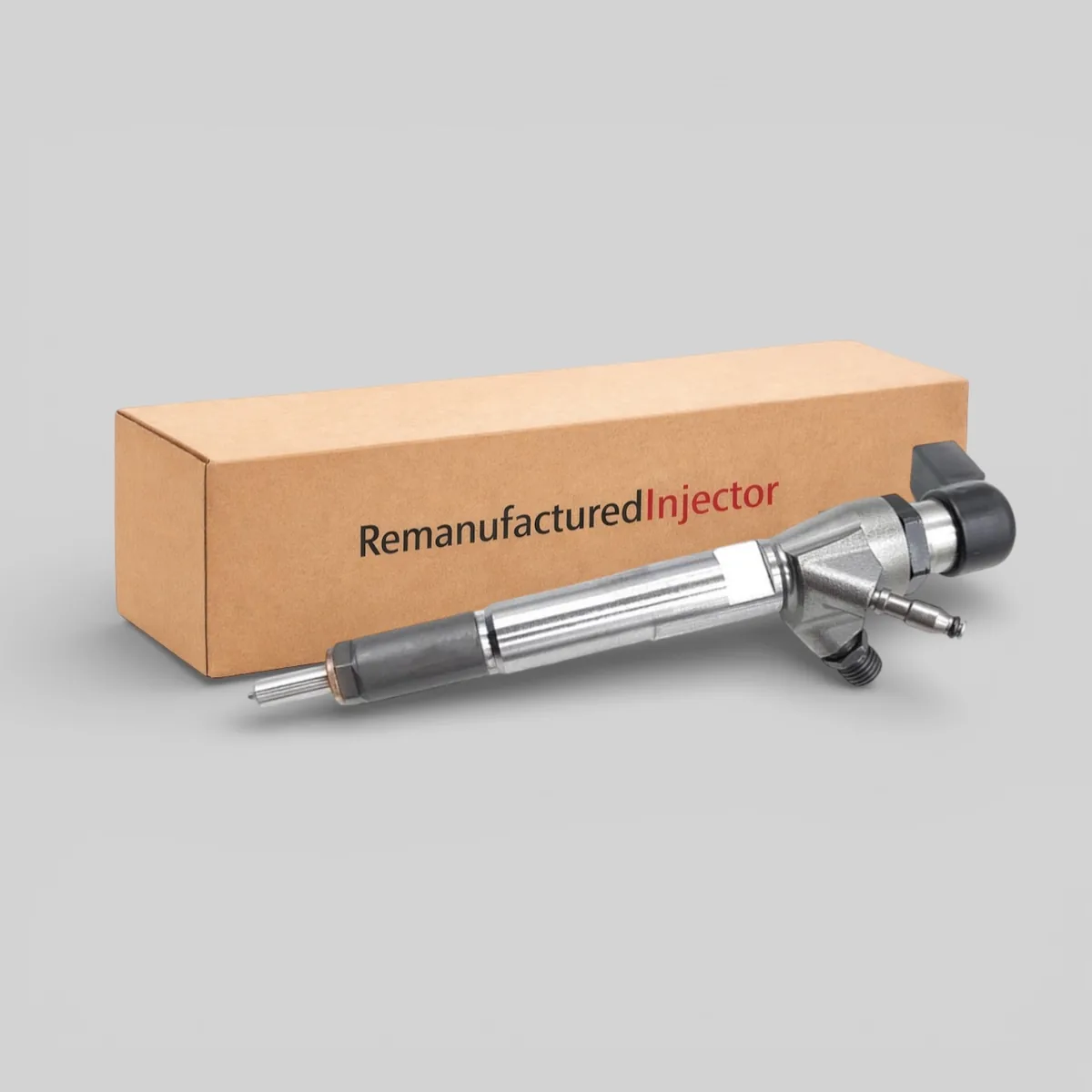
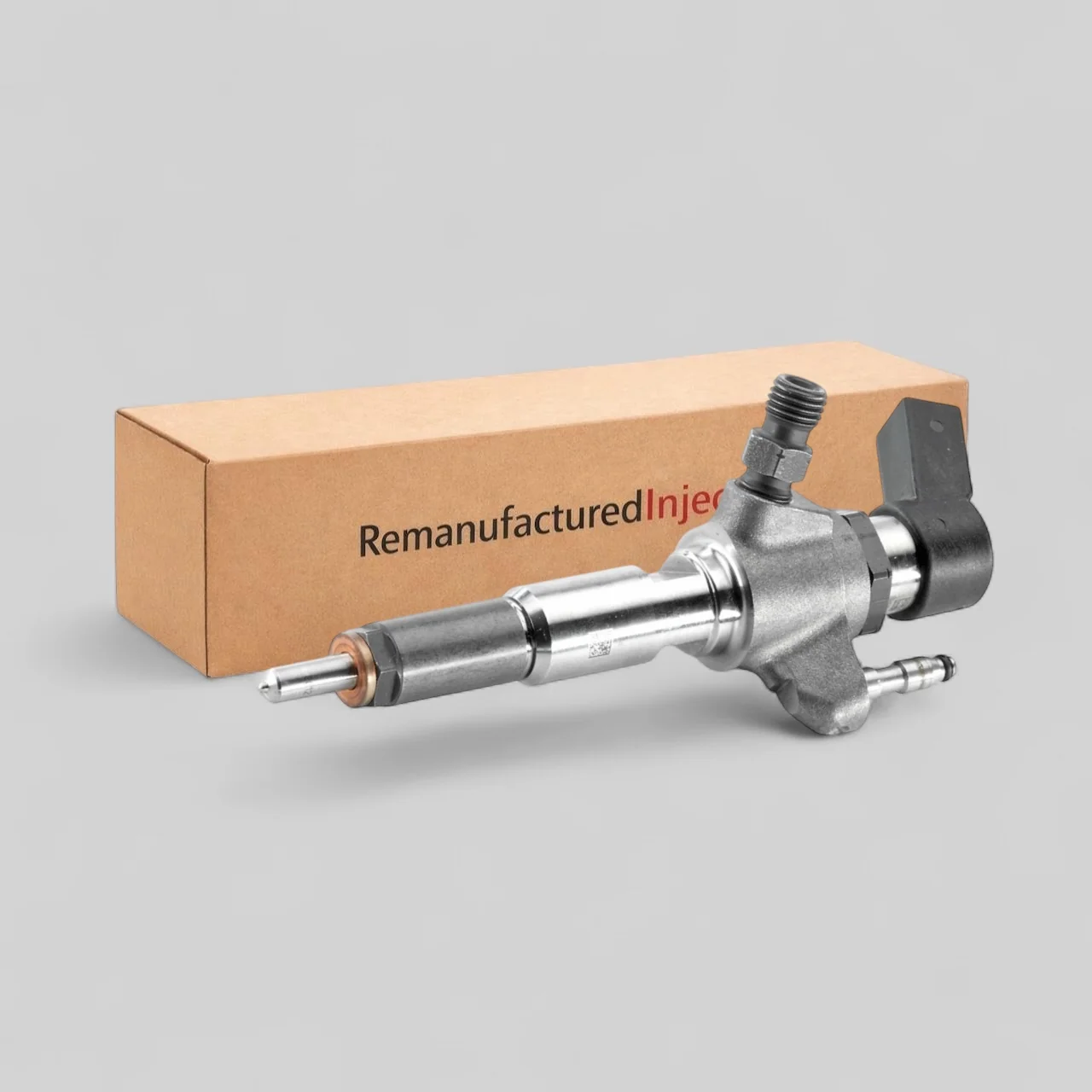
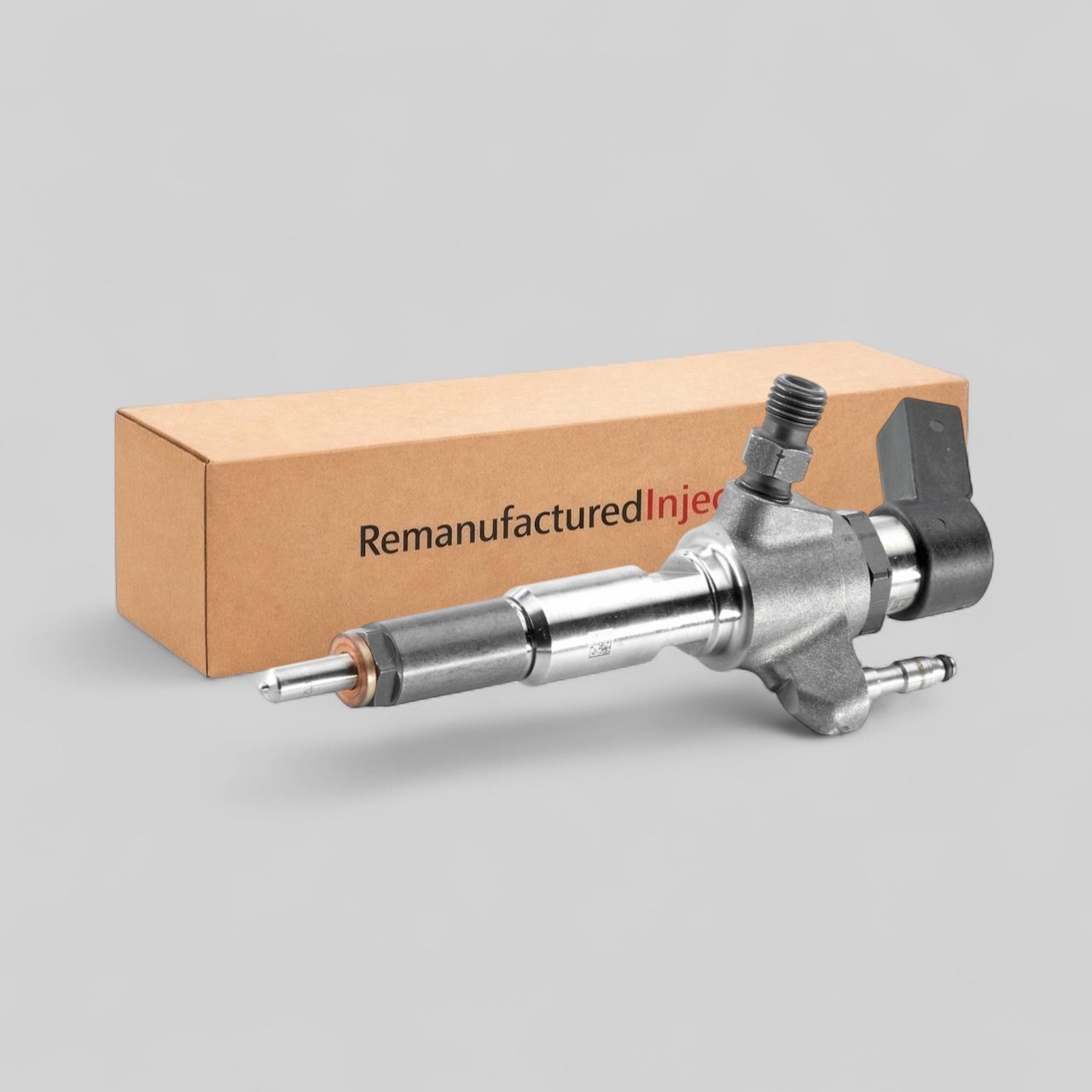
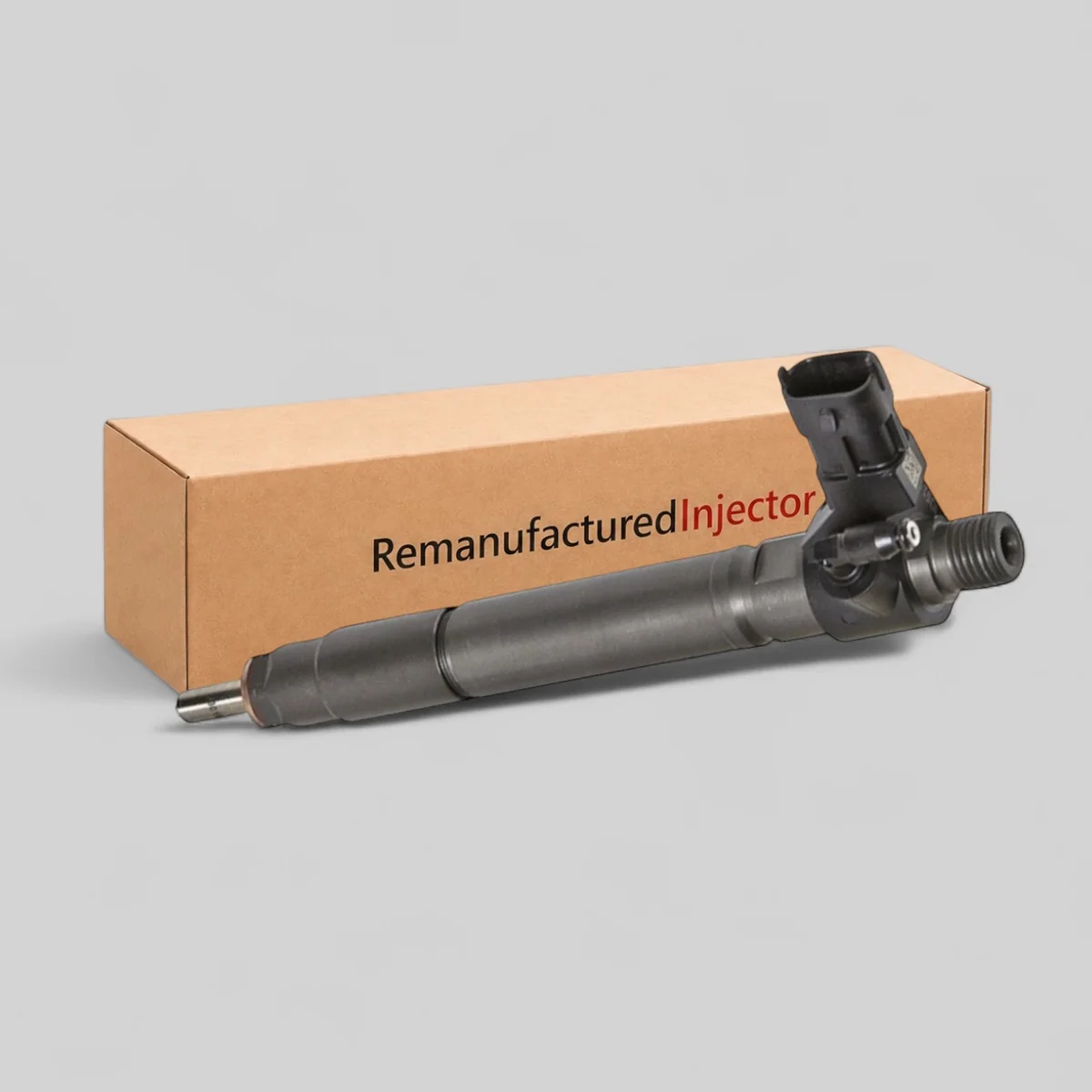
Vehicles and Engine Codes Using the 562001910
Engine code coverage spans the M9T 670, 672, 676, 678, 680, 692, 694, 696, 698 and 700 sub-codes — corresponding to the Euro 5 and Euro 6 production runs of the Renault M9T 2.3 dCi. UK fitment includes Renault Master MK3 / MK4 (FWD and RWD chassis), Renault Trafic MK3 (badged NV300 by Nissan and Vivaro by Vauxhall), Nissan NV400, Nissan Interstar (export), Vauxhall Movano-A facelift and Movano-B, and selected Renault Premium DXi-cab light-truck applications.
The 562001910 supersedes earlier production codes 5WS40677, 5WS40745, A2C53387155 and the Continental cross-references 166006212R, 166009445R, 166008052R and 166007430R. Across the supersession the body, sealing geometry and connector pinout are unchanged; what shifted was the rail-pressure calibration target, raised by ~80 bar between Euro-5 and Euro-6 production. The new IMA write-back step compensates automatically — no further ECU map flash is needed when a workshop swaps an older 5WS40677 for a current 562001910 on the same cylinder.
Why M9T Failures Cluster on Fleet Vans
M9T fleet failures show three patterns rarely seen in passenger-car diesels. First, urban stop-start delivery work prevents the DPF from completing its full active-regen cycle — soot loads accumulate, the ECU goes into post-injection over-fuel mode, and the injectors that are doing most of the over-fuelling wear faster than their siblings. Second, fleet diesel quality is variable — water contamination from refuelling at low-volume forecourts is the single biggest cause of premature M9T failure. Third, the long crank cycles on cold winter mornings (especially RWD Master with the larger battery draw) put repeat thermal stress on the injector seat seal.
The diagnostic implication: an M9T that has logged repeat DPF differential-pressure faults but cleared cylinder-balance codes is almost certainly a single failing injector. Run the leak-off test before clearing any more faults — that one injector is the root cause, and replacing it stops the DPF events at source.
C2I / C3I Coding the New M9T Injector
Renault and Nissan use the term IMA in their dealer documentation but the on-bench technical name for the M9T calibration string is C2I (Continental Cylinder Identifier). The format is sixteen alphanumeric characters, written into the ECU per cylinder via Renault Clip / CAN Clip on the Master / Trafic, Nissan Consult-3+ on the NV400 / NV300, or the GM-side Vauxhall Tech2-Win / GDS2 on the Movano-A facelift. Note that the Vauxhall-side toolchain accepts the C2I but presents it under a Vauxhall-rebadged menu name — we publish a quick-reference card with every Movano-bound order to save the fitter twenty minutes of menu-hunting.
The fleet failure mode for M9T is volume-related: a workshop replacing all four injectors on a Master will have four C2I strings to enter, in the right order, against the right cylinder index — and on a busy day the strings get mis-pasted between cylinders. A single transposed character on a C2I write-back triggers an immediate P0201-P0204 cylinder-balance fault on first start. We mark the dispatch packaging with the cylinder-index recommendation for every multi-injector order to make this harder to get wrong.
How 562001910 M9T Injectors Are Remanufactured
Fleet-removed M9T cores arrive in noticeably worse condition than passenger-car returns. Roughly four in ten 2.3 dCi cores show seat carbonisation that requires a re-cut on the cylinder-head sealing surface before the new copper washer will seat reliably — we publish this in the despatch note so the fitter knows what to expect. The M9T-specific bench step is the cold-pump simulation: we run the rail down to 200 bar (the failure regime where Master / NV400 owners report dead-pedal hesitation) and verify the C2I-corrected delivery against the OEM map, which is more sensitive at that pressure than the wider DW10 platform.
Sign-off requires a clean cold-pump trace plus a fresh sixteen-character C2I string laser-printed onto the foil decal supplied with the unit. We hold the bench trace and the C2I value on file under the order number for warranty validation. Fleet trade-account customers receive priority dispatch and matched-bank pricing when ordering all four injectors as a set for the same Master / NV400 / Movano-B chassis.