How a Failing 2.7 TDV6 Injector Presents
On the V6 TDV6, a single failing injector has a complex signature because the V-block runs three cylinders per bank, each with its own rail. The most common symptom is a rough idle that resolves above 1,200 rpm — one cylinder on one bank is over- or under-fuelling. The second is a 'bank fault' on the dashboard that points to the wrong bank — the ECU detects rail-pressure deviation on bank A but the failed injector is actually on bank B, because the under-fuelling cylinder on B has reduced its rail's pressure draw and made bank A's rail look high by comparison. The third is a Discovery- or Range-Rover-specific transmission shudder under light load — the ZF gearbox is responding to the engine's combustion imbalance.
Diagnosis requires JLR SDD / Pathfinder or PSA DiagBox / Lexia depending on the vehicle — the Jaguar / Land Rover and Peugeot / Citroen calibrations are different and the ECU coding pages live in different menus. On the V6 specifically, never trust the 'bank A' or 'bank B' label in the fault code — read live cylinder fuel-trim values for all six and the failed cylinder's correction value will be at the negative limit.
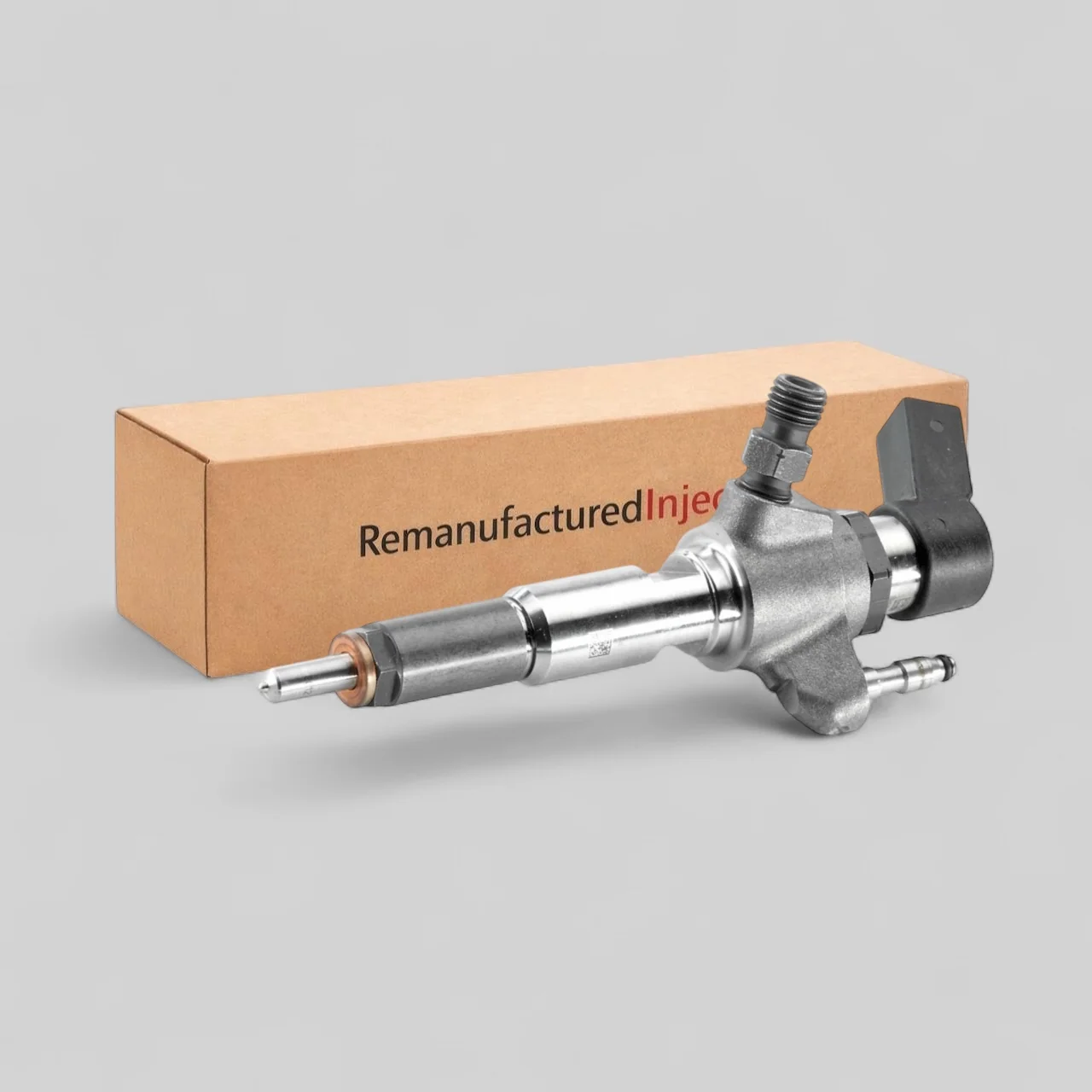
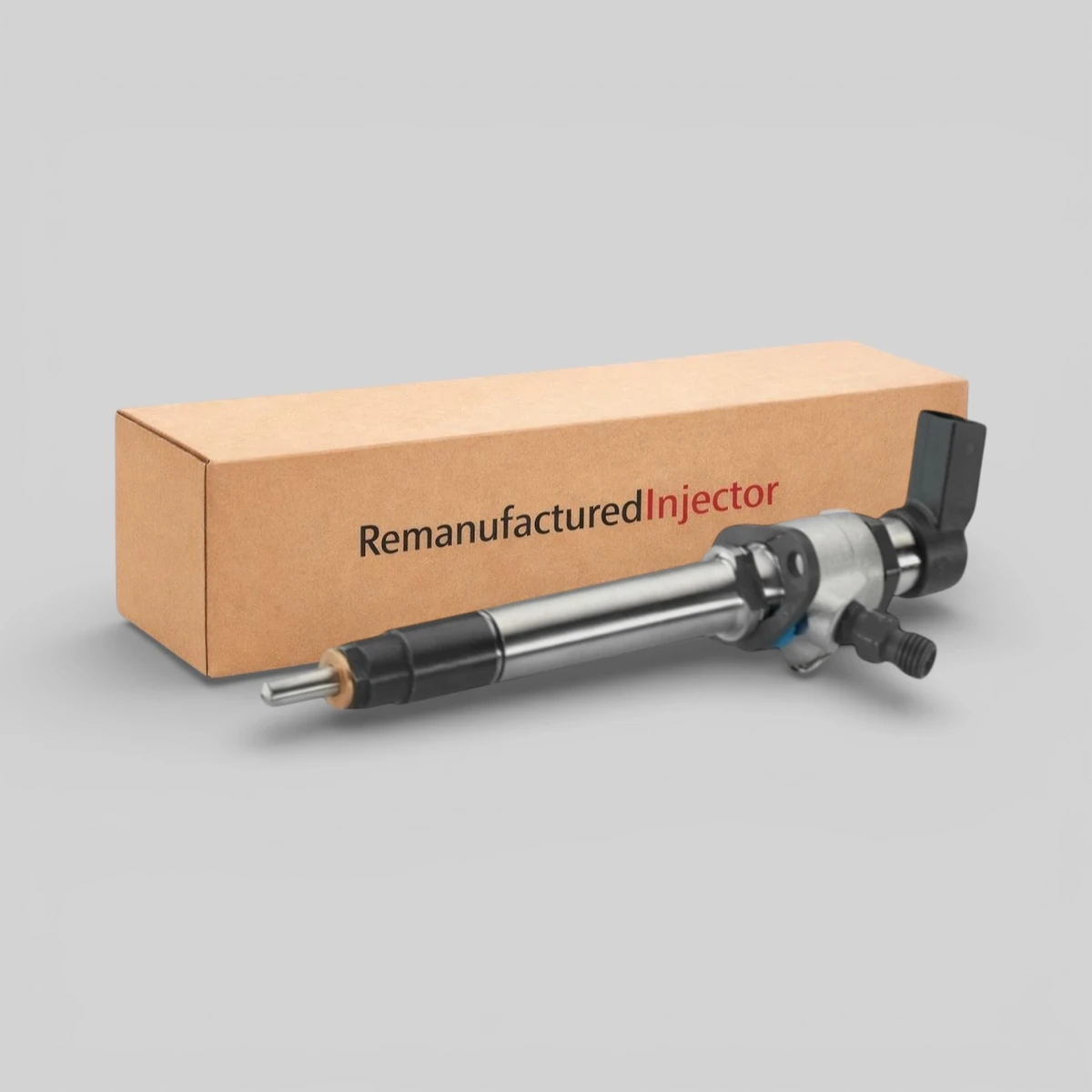
Vehicles and Engine Codes Using the A2C59511316
Engine code coverage spans DT17ED4 (Land Rover Discovery 3 / 4 Euro 4), DT17BTED4 (Range Rover Sport L320), DT17ED4-fitted Range Rover L322 facelift, UHZ (Jaguar S-Type 2.7D / XJ X350 V6 / X-Type V6), and the PSA-side designation for the Peugeot 407 Coupe 2.7 HDi V6 and Citroen C5 / C6 2.7 HDi V6 applications. The TDV6 was a Ford / PSA joint development and its injector supply comes through Continental on every fitment.
A2C59511316 is the supersession primary for earlier 2.7 TDV6 production codes including 5WS40149-Z and the 6-character Continental cross-references in the same family. Across the supersession the bore and the V-block sealing washer remain unchanged; the calibration map shifted with the Euro 4 / Euro 5 emission tightening but the new IMA / C2I write-back step normalises the substitution. Workshops swapping a 5WS40149-Z for an A2C59511316 will not see any drivability difference once the C2I is coded against the right cylinder index.
Why V6 Diagnosis Is Different to Inline-Four
The TDV6 has two separate fuel rails — one per bank — fed by a single high-pressure pump. A failing injector on one bank affects that rail's pressure dynamics, and the ECU sees the deviation as a rail fault rather than a single-cylinder fault. The diagnostic implication is that the fault code chain on the V6 is less specific than on an inline-four: the ECU points at a rail, not a cylinder, and the workshop has to read live cylinder fuel-trim values to identify which of the three cylinders on that bank is the failed one.
On Range Rover Sport and Discovery 3 / 4 specifically, the diagnostic procedure is further complicated because the gearbox calibration responds to engine combustion imbalance with shift-pattern adjustments. A worn injector on the V6 can present as a transmission complaint at the dealer — and replacing the gearbox solenoid pack will not fix it.
C2I Coding the V6 TDV6 Injector
The V6 TDV6 has the most awkward cylinder-index mapping of any Continental injector we ship. JLR SDD / Pathfinder presents cylinders 1-2-3 (bank A) and 4-5-6 (bank B) as separate menu pages, but the on-engine numbering on the Discovery 4 / Range Rover Sport L320 is split A/B in geometry and A-B-A in firing order — so a fitter relying on physical position can easily cross-index a bank-B injector against a bank-A menu. The PSA-side Peugeot 407 Coupe / Citroen C5 / C6 V6 uses a different cylinder-numbering convention again under DiagBox / Lexia. Always cross-check the V5C engine-code prefix (UHZ for JLR, 6DRH for PSA) against the diagnostic tool's bank labelling before committing the C2I write-back.
We supply every V6 TDV6 set with bank labels (A or B) printed on the dispatch packaging so the fitter can index correctly. If you are ordering a single replacement for a Discovery 3 / 4 or Range Rover Sport, tell us which cylinder failed at the order stage — we will pre-flag the unit for that bank's flow tolerance.
How A2C59511316 V6 TDV6 Injectors Are Remanufactured
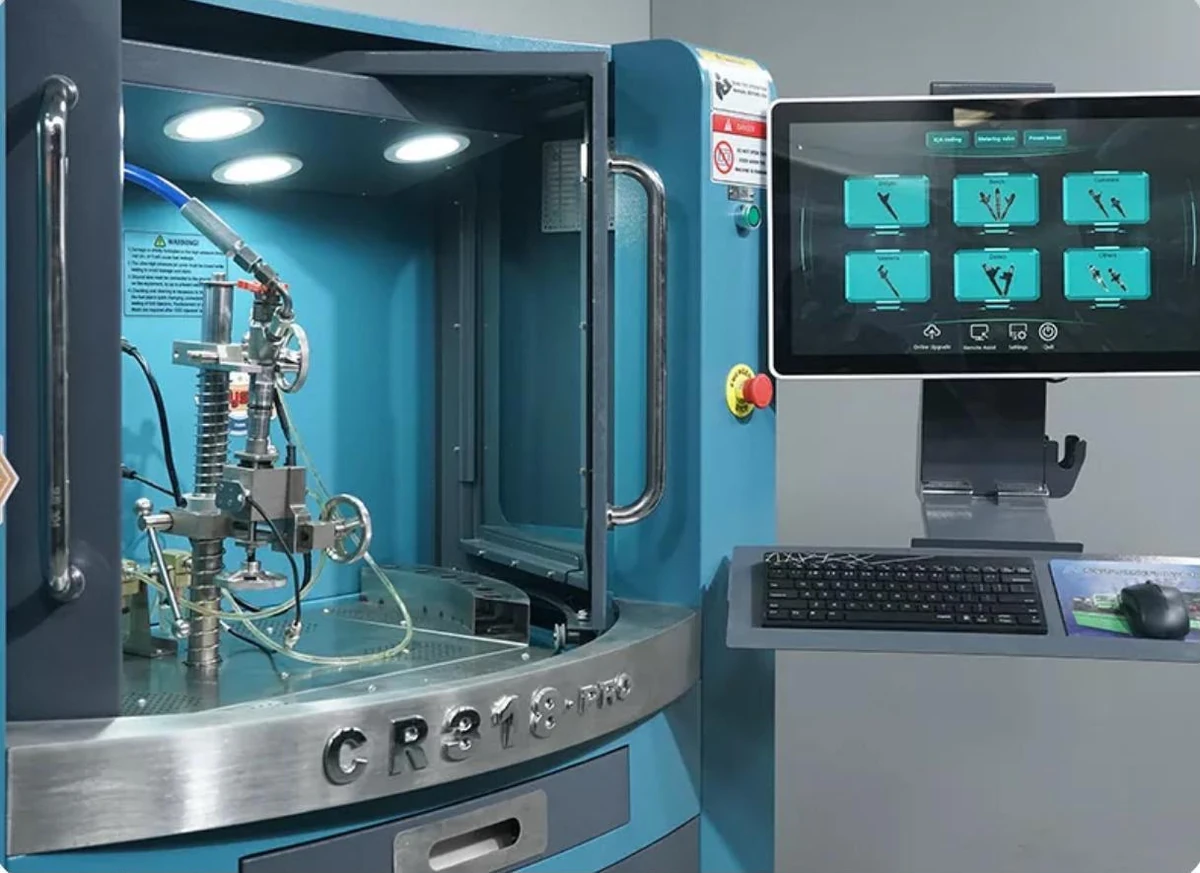
TDV6 V6 cores are the most labour-intensive remanufacture in our piezo workflow because the seat carbon build-up on the V-block runs hotter than on inline-fours — the V6's exhaust manifold geometry traps more heat at the injector seat. Roughly half of the TDV6 cores we receive require a seat re-cut on the cylinder-head sealing surface before reassembly, and we publish that ratio in the dispatch note so the fitter is prepared. The bench step that distinguishes V6 remanufacture is the matched-bank flow trace: an injector intended for cylinder 1 / 2 / 3 is calibrated on the tighter end of the OEM tolerance, and an injector for cylinder 4 / 5 / 6 is calibrated on the lower end, so that bank A and bank B see balanced rail-pressure draw.
Output stamping is a fresh sixteen-character C2I string. Every dispatched unit ships with its bank-side recommendation labelled on the box (an A or B suffix on the dispatch packaging), so the fitter can index the C2I correctly during the SDD / Pathfinder coding step. Customers ordering all six for a Discovery 4 / Range Rover Sport receive a matched-bank set as standard.